
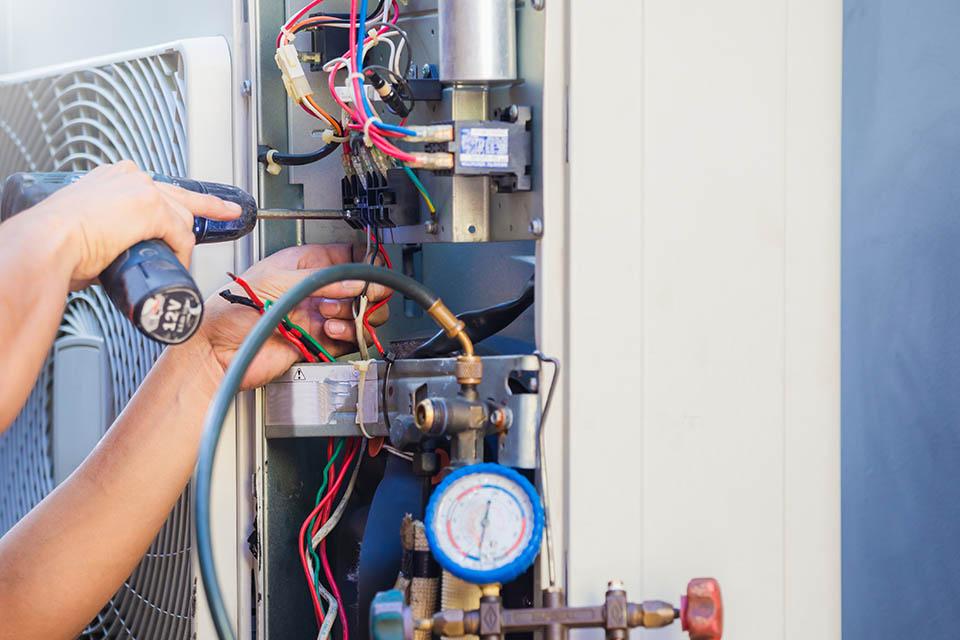
As homeowners and business owners in Edwardsville, IL, know all too well, the weather can vary dramatically throughout the year. The sweltering summer heat can push your air conditioning to its limits, while freezing winter temperatures require your heating system to work overtime. With such extremes in climate, managing energy consumption for your heating, ventilation, and air conditioning (HVAC) system is essential not only for comfort but also for saving money on energy bills. Fortunately, there are several ways to improve the energy efficiency of your HVAC system in Edwardsville, IL. By following these practical energy-saving tips, you can enjoy a comfortable indoor environment while reducing your carbon footprint and lowering utility costs.
1. Schedule Regular HVAC Maintenance
Routine maintenance is one of the most effective ways to ensure your HVAC system is operating efficiently. During regular maintenance visits, HVAC professionals inspect, clean, and adjust your system to keep it running smoothly. Some key aspects of maintenance include:
Changing the air filters
: Dirty or clogged air filters can restrict airflow, causing your HVAC system to work harder, which increases energy consumption. Replace filters regularly (typically every 1-3 months) to maintain airflow and system efficiency.
Cleaning the coils
: The evaporator and condenser coils can collect dirt over time, reducing the system's efficiency. Clean these components regularly to maintain optimal performance.
Checking refrigerant levels
: Low refrigerant levels can cause your system to run inefficiently, leading to higher energy costs. A technician can check refrigerant levels and recharge the system if needed.
Scheduling a professional tune-up at least once a year—preferably before the heating or cooling season begins—will help identify and fix any issues before they become costly problems.
2. Upgrade to a High-Efficiency hvac edwardsville il System
If your HVAC system is outdated or constantly requires repairs, it may be time to consider upgrading to a more energy-efficient model. Many modern HVAC systems, particularly those with the Energy Star label, offer advanced technology that can reduce energy consumption while providing superior comfort. Look for systems that:
Use variable-speed motors
: These systems adjust the speed of the fan to provide more consistent heating and cooling, using less energy than traditional models.
Include programmable thermostats
: Many newer systems come with programmable thermostats, allowing you to set the temperature to automatically adjust based on your schedule, reducing unnecessary energy use.
Although upgrading your HVAC system can involve a significant upfront investment, the long-term savings in energy costs, along with potential rebates or tax credits, can make it a worthwhile investment.
3. Seal Ductwork and Insulate Properly
Leaky ducts and poor insulation are common culprits of wasted energy. In fact, the U.S. Department of Energy estimates that up to 30% of energy can be lost due to leaks, holes, or poorly insulated ducts. To improve the energy efficiency of your HVAC system, consider:
Sealing ductwork
: Professional HVAC technicians can inspect your ducts for leaks and seal any gaps using mastic or metal tape. This ensures that conditioned air flows directly into your living space rather than escaping through leaks.
Insulating ducts
: Properly insulating ducts, especially those in attics or crawl spaces, helps prevent heat loss during the winter and heat gain during the summer, reducing the load on your HVAC system.
Adding insulation
: Ensure your home is properly insulated, especially in areas like attics, basements, and walls. Insulation keeps the indoor temperature consistent, reducing the need for your HVAC system to work harder to maintain comfort.
4. Install a Programmable Thermostat
A programmable thermostat is a simple yet highly effective way to increase the energy efficiency of your HVAC system. These devices allow you to set temperature schedules so your HVAC system isn’t running when it’s not needed. For example, you can set the thermostat to adjust the temperature while you're at work or during the night when you're asleep. By avoiding unnecessary heating and cooling, you can reduce energy consumption and lower your utility bills.
In addition, consider upgrading to a smart thermostat, which can learn your habits and adjust settings automatically for even greater energy savings. Many smart thermostats can be controlled remotely via a smartphone app, giving you more flexibility to adjust settings when you're away from home.
5. Utilize Ceiling Fans and Natural Ventilation
Using ceiling fans and taking advantage of natural ventilation can help reduce the load on your HVAC system, especially during mild weather. Ceiling fans circulate air throughout the room, which can make you feel cooler in the summer and warmer in the winter by distributing heat more evenly. You can also use natural ventilation to your advantage by opening windows and doors when temperatures are moderate to let in fresh air and cool your home naturally.
During cooler months, you can reverse the direction of ceiling fans to push warm air down from the ceiling, helping to evenly distribute heat and reduce the need for heating.
6. Ensure Proper Landscaping Around Your HVAC System
The outdoor unit of your air conditioning system plays a key role in overall energy efficiency. Keep the area around your outdoor condenser unit free from debris, leaves, and vegetation. Ensure that the unit has proper airflow for maximum efficiency. Consider planting shrubs or trees that provide shade to the unit in the summer, helping it run more efficiently. However, be mindful not to block the airflow completely, as this can reduce the system’s effectiveness.
7. Use Curtains and Blinds for Temperature Control
Your windows can have a significant impact on the energy efficiency of your HVAC system. Heat can escape through poorly insulated windows in the winter, and it can enter during the summer, forcing your HVAC system to work harder. To mitigate these effects:
Use heavy curtains or blinds
to block out heat during hot months and keep warmth inside during the colder months.
Install window film
or
thermal shades
to improve insulation and reduce heat transfer through windows.
Conclusion
Improving the energy efficiency of your HVAC system in Edwardsville, IL, not only helps to reduce your carbon footprint but also leads to significant savings on your monthly utility bills. By scheduling regular maintenance, upgrading to a high-efficiency system, sealing ducts, and utilizing smart thermostats, you can ensure that your heating and cooling systems operate at peak performance year-round. Additionally, simple steps like using ceiling fans, optimizing landscaping, and controlling window insulation can further enhance energy efficiency. By following these tips, you'll enjoy a comfortable living space without the high energy costs.