
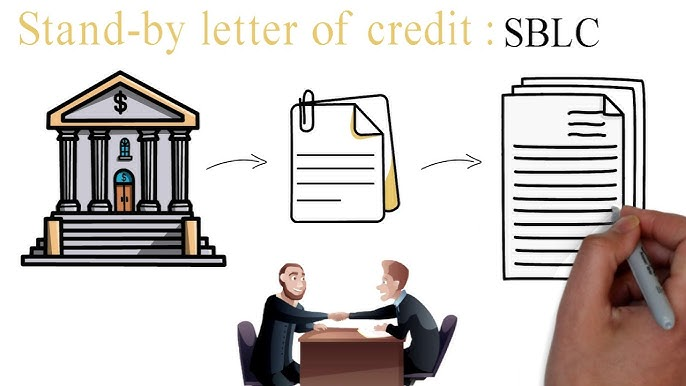
When it comes to international trade landscape, you’ve likely come across the terms SBLC providers and bank guarantees. While they’re often used interchangeably, there’s a significant distinction between the two. As a savvy business owner, you want to know what sets them apart – and more importantly, how it affects your business. The difference lies in the level of involvement, application process, and risk liability. You’re probably wondering which one is right for your business, and what the implications are. Let’s explore the key differences that can make all the difference in your trade deals BG/SBLC credit enhancement.
Understanding SBLC Providers
Since you’re considering Standby Letter of Credit (SBLC) providers, it’s essential to understand their role in facilitating international trade transactions.
They act as a third-party guarantor, providing a buyer’s commitment to pay if a seller fails to fulfill their contractual obligations. This assurance enables sellers to confidently engage in international trade, knowing they’re protected from potential losses.
You should also know that SBLC providers typically charge a fee for their services, which can vary depending on factors like the transaction’s value and the level of risk involved.
When selecting an SBLC provider, it’s crucial to research and compare different providers, considering factors like their reputation, experience, and fees. By doing so, you’ll be able to find a reliable provider that meets your specific needs and ensures a smooth transaction process.
The Role of Bank Guarantees
A bank guarantee serves as a safety net, backing your financial obligations in international trade.
It’s a promise that you’ll fulfill your contractual obligations to the beneficiary. If you fail to meet those obligations, the bank will cover the loss, up to the guaranteed amount.
This gives the beneficiary confidence that they’ll receive payment, even if you default.
You’ll typically need a bank guarantee for large, international projects, like construction, infrastructure, or supply contracts.
In these cases, the beneficiary wants assurance that you have the financial resources to complete the project.
By providing a bank guarantee, you demonstrate your creditworthiness and commitment to the project.
In essence, a bank guarantee is a risk management tool.
It mitigates the risk of non-payment, giving both parties more confidence in the transaction.
Key Differences in Application
When you’re looking to secure a deal, you need to know the key differences between Standby Letter of Credit (SBLC) providers and bank guarantees in application.
One significant difference is the level of involvement from the applicant. With an SBLC provider, you’ll need to provide more documentation and financial information to establish creditworthiness.
In contrast, a bank guarantee typically requires less information from you, as the bank is vouching for your credibility.
Another difference lies in the application process itself. SBLC providers often have a more streamlined and faster application process, sometimes taking only a few days.
Bank guarantees, on the other hand, can take weeks or even months to process. This is because banks need to conduct a thorough review of your financial history and creditworthiness before issuing a guarantee.
Understanding these key differences in application can help you choose the right option for your business needs.
Risks and Liability Comparison
In the realm of financial risk, SBLC providers and bank guarantees diverge significantly.
When you opt for an SBLC provider, you’re essentially taking on the risk of the provider’s default. If the provider fails to fulfill their duties, you’ll be left with the financial burden.
In contrast, a bank guarantee typically involve a bank’s unconditional commitment to pay the beneficiary in case of a default. This means you’re shielded from the risk of default, as the bank takes on the liability.
You should also consider the liability aspect. With an SBLC provider, you’ll be held liable in case of a default.
However, with a bank guarantee, the bank assumes the liability, freeing you from potential financial obligations. It’s essential to weigh these risks and liabilities carefully, as they can significantly impact your business’s financial stability.
Choosing the Right Option
You’ve carefully weighed the risks and liabilities of SBLC providers and bank guarantees.
Now it’s time to make a decision.
When choosing between the two, consider your business needs and goals.
If you’re looking for a more cost-effective option with faster processing times, SBLC providers might be the way to go.
They often have more flexible requirements and lower fees compared to traditional banks.
On the other hand, if you’re looking for a more secure and reliable option with a higher credit rating, bank guarantees might be the better choice.
They typically offer more protection for the beneficiary and are backed by the bank’s reputation and assets.
Assess your risk tolerance and the level of security you need.
Weigh the pros and cons of each option and choose the one that aligns best with your business objectives and financial situation.
Conclusion
You’ve got two options to secure your international trade: SBLC providers and bank guarantees. Now that you know the roles they play and the differences in application, risk, and liability, it’s time to decide. Weigh the pros and cons, consider your business needs, and choose the one that best fits your situation.