
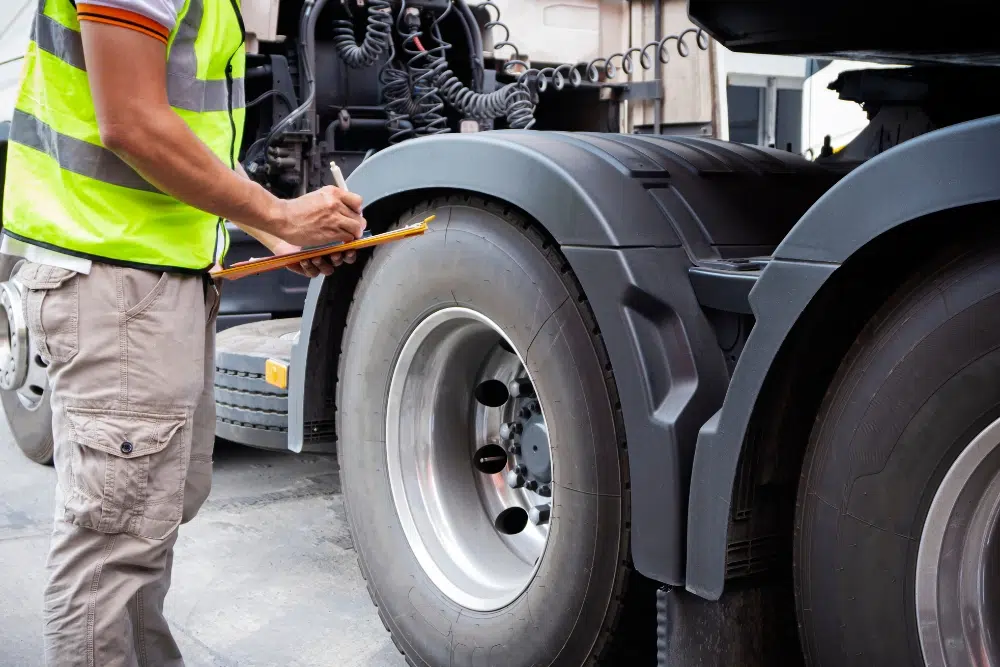
For trucking companies and commercial vehicle operators in Monroe, LA, ensuring that vehicles are in safe, operational condition and compliant with Department of Transportation (DOT) regulations is non-negotiable. Not only is it a matter of safety, but also of staying within the law to avoid costly fines and penalties. DOT truck inspections are designed to evaluate whether commercial vehicles meet federal safety standards, and failing to meet these standards can lead to serious consequences. In this article, we’ll discuss why DOT inspections are crucial, what’s involved, and how you can stay compliant to keep your trucks on the road and avoid unnecessary fines.
Why Are DOT Truck Inspections Crucial?
DOT truck inspections are essential for several reasons, but the primary goal is to ensure safety—for both drivers and the general public. Commercial trucks can be massive, carrying heavy loads at high speeds, which makes any failure of critical systems such as brakes or tires especially dangerous. Ensuring that these vehicles meet federal safety standards is a top priority of the Federal Motor Carrier Safety Administration (FMCSA), which operates under the U.S. Department of Transportation.
Aside from the obvious safety concerns, there are also legal and financial implications. Trucks that fail to meet the DOT’s regulations can be subjected to fines, and more serious violations may even result in the truck being taken out of service until repairs are made. These interruptions can affect your business operations, create significant downtime, and cause a strain on resources, ultimately leading to financial losses.
By scheduling regular DOT truck inspections, Monroe, LA truck owners can not only keep their trucks safe but also avoid the risks of violations, fines, and the reputational damage that could arise from a preventable accident.
What Does a DOT Truck Inspection Involve?
The DOT truck inspection process involves a detailed assessment of a vehicle’s critical components. There are several levels of inspection, ranging from basic checks of the driver’s documentation to comprehensive inspections of both the driver and the vehicle’s mechanical systems.
Level 1: Comprehensive Vehicle Inspection
Level 1 is the most thorough inspection. It involves a full assessment of both the vehicle and the driver. The inspector will typically check for:
-
Brakes: The brakes must be in good condition and functioning properly.
-
Tires: Tires must have proper tread depth, correct inflation, and no signs of damage.
-
Lights and Reflectors: All lights, including headlights, tail lights, and turn signals, must work correctly.
-
Cargo Securement: Cargo must be safely secured to prevent shifting during transportation.
-
Suspension: The suspension system must be intact and free from defects.
-
Windshield Wipers and Mirrors: Visibility is a key safety element, and both must be in good working order.
-
Exhaust System: The system must be properly installed and free from any leaks.
-
Frame and Chassis: The structural integrity of the frame and chassis will be checked for cracks or damage.
This comprehensive inspection can take anywhere from 45 minutes to an hour, and a failure in any area will likely result in the vehicle being taken out of service until repairs are made.
Level 2: Walk-Around Inspection
A Level 2 inspection focuses on the exterior of the vehicle, but it does not require the inspector to enter the truck. This includes checking items such as:
-
Tires
-
Brakes
-
Lights
-
Cargo securement
Level 2 inspections tend to be quicker, but they are still a valuable way of identifying basic safety issues.
Level 3: Driver-Only Inspection
In a Level 3 inspection, the inspector will review the driver’s documentation, including the driver’s license, medical certification, and logbooks. These inspections don’t involve checking the mechanical condition of the vehicle, but they are important for ensuring that the driver is operating within federal guidelines for Hours of Service (HOS), which regulate how many hours a driver can be on the road before taking mandatory rest breaks.
Level 4: Special Inspections
Level 4 inspections are usually conducted for specific issues or concerns. For example, if a vehicle has been involved in an accident or has been flagged for potential violations, it may undergo a more focused inspection.
Level 5: Vehicle-Only Inspection
The Level 5 inspection is similar to Level 1 but focuses solely on the vehicle, without checking the driver’s documentation. This inspection can be useful if the driver’s documents are already in good standing but the vehicle itself needs further scrutiny.
The Consequences of Failing a DOT Truck Inspection
Failing a DOT truck inspection can result in a variety of penalties and consequences, depending on the severity of the violation.
1. Fines and Penalties
If your truck fails an inspection, the inspector may issue a citation for the violations found. The fines can vary depending on the nature of the violation, but serious issues like brake failure or improperly secured cargo can lead to heavy fines. These fines can add up quickly, especially if multiple trucks in your fleet are found to be non-compliant.
2. Out-of-Service Violations
An out-of-service violation is one of the most serious penalties a truck can face. If a vehicle is found to have significant safety issues, it can be taken off the road until those issues are corrected. This can result in serious downtime, disrupting your operations and delaying deliveries.
3. Increased Insurance Costs
If your fleet has a history of failing inspections or being involved in accidents, your insurance premiums may increase. Insurance companies assess risk based on your safety record, and trucks with a history of violations may be seen as higher-risk, leading to higher premiums.
4. Damage to Reputation
A reputation for unsafe vehicles or failing inspections can hurt your business relationships and impact your ability to secure future contracts. Clients, particularly those with safety and compliance concerns, may be hesitant to do business with you if they perceive your trucks as unsafe.
How to Stay Compliant and Avoid Penalties
Now that we’ve highlighted the importance of DOT truck inspections, let’s discuss how you can avoid penalties and keep your vehicles compliant in Monroe, LA.
1. Perform Regular Inspections and Maintenance
The best way to pass DOT DOT truck inspection Monroe LA and avoid fines is by conducting regular maintenance on your fleet. Ensure that you are addressing common problem areas such as:
-
Brake systems
-
Tire condition
-
Lighting systems
-
Suspension
By addressing issues before they become problems, you’ll reduce the chances of failing an inspection.
2. Keep Your Records in Order
Having proper records for driver qualifications, logbooks, and vehicle maintenance is essential. Ensure that your drivers are following Hours of Service (HOS) regulations and that their licenses and medical certificates are up to date.
3. Train Your Drivers
Ensure that your drivers are well-trained on DOT regulations, including the importance of pre-trip inspections and the need to report any issues before hitting the road. Driver education can prevent many common issues from becoming problems during DOT inspections.
4. Work with Certified Mechanics
Partner with certified mechanics who are familiar with DOT regulations and can help ensure that your vehicles meet all necessary standards. Having a trusted professional inspect and maintain your fleet on a regular basis is invaluable for compliance.
5. Use a Fleet Management System
Investing in a fleet management system can help you stay on top of inspections, maintenance, and scheduling. These systems often include tools for tracking vehicle inspections, service records, and compliance checks, helping you stay organized and proactive.
Conclusion
Ensuring that your fleet of trucks passes regular DOT truck inspections is not just a matter of compliance—it’s about keeping your drivers and the public safe, avoiding costly fines, and preventing downtime that can disrupt your operations. For trucking businesses in Monroe, LA, staying on top of regular inspections, proper maintenance, and driver education is essential for maintaining a smooth-running, legal, and profitable business. By investing time and resources into keeping your vehicles roadworthy, you’ll not only avoid fines but also help ensure that your business stays on the right track.