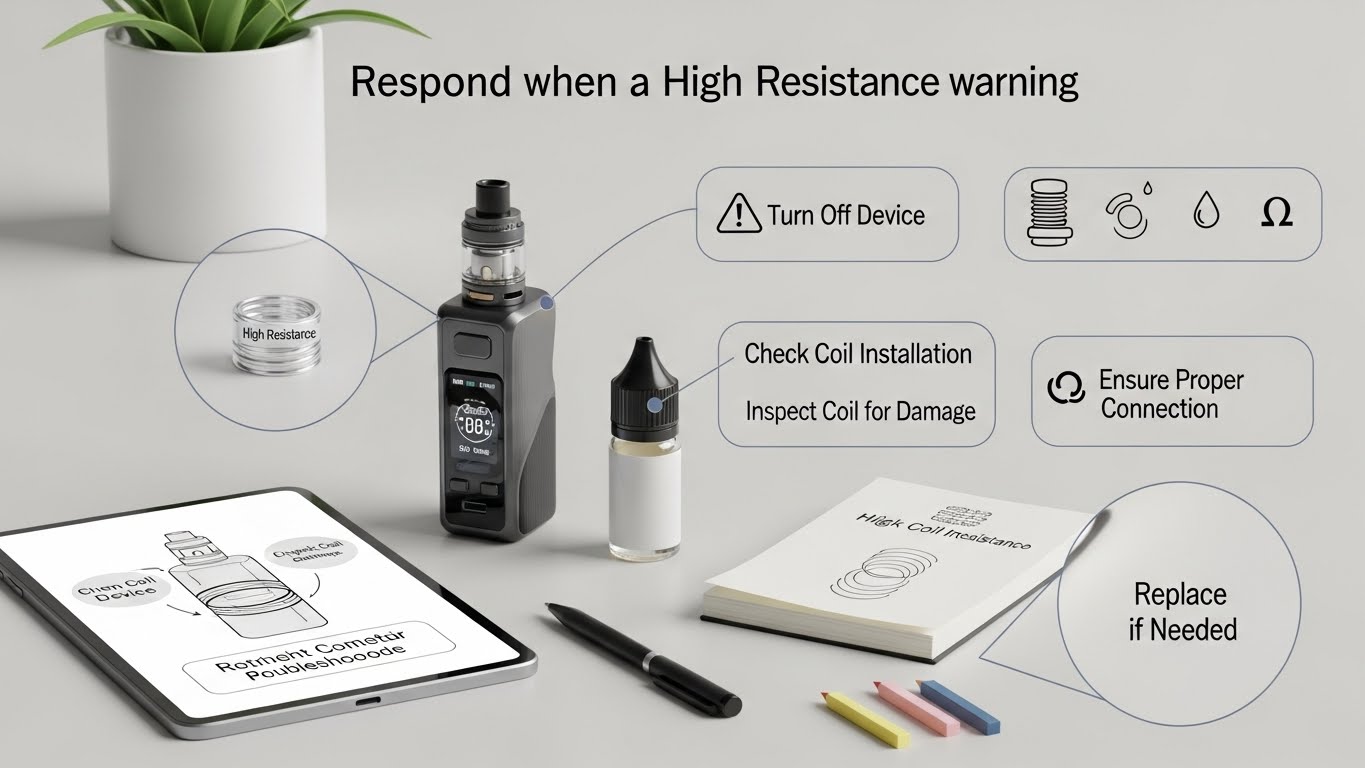
 In the world of electronics, encountering a device that shows high resistance can be both perplexing and concerning. High resistance can lead to inefficiencies, performance issues, and even potential damage if not addressed promptly. In this guide, we will delve into what high resistance means, why it occurs, and how you can effectively respond to this issue. For more info: https://e-liquids.com/collections/vape-juice
Understanding High Resistance
What Is High Resistance?
High resistance refers to a condition where the electrical resistance in a circuit or device is greater than expected. This can hinder the flow of electricity, leading to underperformance or failure of the device. Devices such as motors, batteries, and electrical circuits are particularly susceptible to issues arising from high resistance. Click here: https://e-liquids.com/collections/vape-kits
Common Causes of High Resistance
Before addressing high resistance, it’s essential to understand its potential causes:
1. Corrosion: Oxidation can occur on metal contacts, leading to increased resistance.
2. Loose Connections: Poorly connected wires or terminals can result in higher resistance.
3. Aging Components: Over time, components may degrade, affecting their conductivity.
4. Dirt and Debris: Accumulation of dirt can interfere with electrical connections.
5. Faulty Components: Defective parts can create unexpected resistance in the circuit.
Initial Steps to Diagnose High Resistance
Step 1: Check Connections
The first course of action is to visually inspect all connections. Ensure that wires are properly connected and that there is no visible damage. Loose terminals can easily lead to high resistance.
Step 2: Use a Multimeter
A multimeter can be your best friend when diagnosing electrical issues. Set the device to measure resistance (Ohm setting) and check the resistance across various points in the circuit. Compare your readings with the expected values from the manufacturer’s specifications.
Step 3: Inspect for Corrosion
Corrosion can be insidious. Look for any signs of rust or oxidation on connectors and terminals. If you spot any, you may need to clean them using a suitable solvent or contact cleaner.
How to Respond to High Resistance
Cleaning Connections
If you find corrosion or dirt, cleaning the connections should be your priority. Here are steps to do it safely:
1. Power Off the Device: Ensure the device is completely powered down.
2. Use Isopropyl Alcohol: Dampen a cloth with isopropyl alcohol and gently clean the affected areas.
3. Dry Thoroughly: Allow the connections to dry completely before reconnecting.
Tightening Connections
For any loose wires or terminals identified during your inspection:
1. Use a Screwdriver or Pliers: Tighten any loose screws or connectors carefully.
2. Check for Strain: Ensure that wires are not under strain which could lead to future loosening.
Replace Damaged Components
If your multimeter readings indicate a faulty component:
1. Identify the Faulty Part: Determine which component is causing the high resistance.
2. Purchase a Replacement: Obtain a replacement part that matches the specifications of the original.
3. Install the New Component: Follow manufacturer instructions for installation to ensure proper connectivity.
Preventative Measures
Regular Maintenance
To avoid encountering high resistance in the future, implement a regular maintenance schedule. This could include:
– Routine Inspections: Regularly check connections for signs of wear, corrosion, or dirt.
– Cleaning: Periodically clean electrical components to prevent buildup.
Environment Control
Sometimes, high resistance can be exacerbated by environmental factors. To combat this:
– Keep Devices Dry: Humidity can lead to corrosion; try to keep your devices in dry conditions.
– Dust Control: Use covers or enclosures to minimize dust accumulation.
Upgrade Components
If high resistance is a recurring issue, consider upgrading to higher-quality components designed to resist corrosion and wear. Investing in durable materials can save you from costly repairs in the long run.
Conclusion
Encountering high resistance in your device can be a frustrating experience, but with the right knowledge and tools, you can effectively address and resolve the issue. By understanding the causes, diagnosing the problem, and implementing preventive measures, you can ensure your devices remain operational and efficient. Regular maintenance and prompt responses to high resistance will extend the lifespan of your electronic devices, keeping them running smoothly for years to come. Remember, when in doubt, consult with a professional to ensure safety and reliability.