
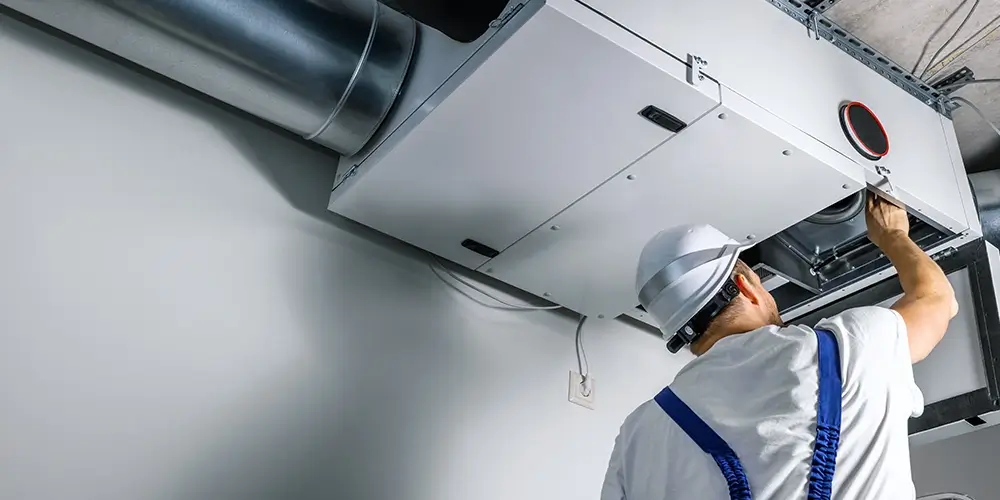
Heating, ventilation, and air conditioning (HVAC) systems are essential for maintaining comfortable indoor environments throughout the year. Proper heating and air Knoxville ensures efficient performance, energy savings, and longevity of the system. Whether you are building a new home or upgrading an existing unit, understanding the process of HVAC installation is crucial.
Understanding HVAC Systems
An HVAC system consists of three main components: the heating unit, the cooling unit, and the ventilation system. The heating unit may include furnaces, boilers, or heat pumps, while the cooling unit usually consists of air conditioners or heat pumps. Ventilation involves the distribution of conditioned air through ducts, vents, and filters, ensuring proper indoor air quality. Proper installation ensures these components work harmoniously, delivering comfort and efficiency.
Planning Your HVAC Installation
Before starting an HVAC installation, careful planning is critical. Assessing your property’s layout, size, and insulation quality helps determine the ideal system size and configuration. Oversized or undersized systems can lead to inefficiency, higher energy bills, and uneven temperatures. Consulting with a licensed HVAC professional can provide guidance on selecting the right system for your needs.
Evaluating Your Needs
-
Load Calculation: A professional load calculation considers your home’s square footage, insulation, window placement, and climate. This determines the heating and cooling capacity required.
-
Energy Efficiency: Modern HVAC systems come with energy efficiency ratings such as SEER (Seasonal Energy Efficiency Ratio) for cooling and AFUE (Annual Fuel Utilization Efficiency) for heating. High-efficiency systems reduce utility bills and environmental impact.
-
System Type: Decide between central HVAC, ductless mini-splits, or hybrid systems based on your property’s structure and your comfort requirements.
Steps in HVAC Installation
1. Preparing the Site
Proper preparation is the first step in HVAC installation. This includes clearing space for equipment, ensuring electrical connections are ready, and confirming that ductwork or piping routes are planned. A clean and accessible site reduces complications during installation.
2. Installing the Indoor Unit
The indoor unit, whether a furnace or air handler, must be installed in a central location to ensure even air distribution. Technicians secure the unit to a stable platform, connect electrical wiring, and integrate it with the home’s duct system. Proper sealing of ducts prevents air leaks, which can compromise efficiency.
3. Installing the Outdoor Unit
For air conditioners and heat pumps, the outdoor condenser unit must be installed on a level surface away from obstructions. Adequate clearance around the unit allows for proper airflow and maintenance access. The unit is connected to the indoor system via refrigerant lines, and electrical connections are secured.
4. Ductwork and Ventilation
Ductwork installation is a crucial part of HVAC installation. Ducts distribute heated or cooled air throughout the property. They must be properly sized and insulated to prevent energy loss. Vent placement is strategically planned to ensure consistent temperature and air quality in every room.
5. System Integration and Testing
Once all components are installed, technicians integrate the system and conduct thorough testing. Refrigerant levels, airflow, and thermostat functionality are checked to ensure optimal performance. Any leaks or issues are corrected before the system is fully operational.
Importance of Professional Installation
While some homeowners attempt DIY HVAC installation, professional installation is highly recommended. Certified technicians have the expertise to handle electrical wiring, refrigerant handling, and precise system calibration. Professional installation also ensures compliance with local building codes and manufacturer warranties, which may be voided with improper setup.
Post-Installation Considerations
After HVAC installation, regular maintenance is essential to sustain efficiency and prolong equipment life. Key maintenance tasks include:
-
Replacing or cleaning filters every 1–3 months
-
Inspecting ductwork for leaks or blockages
-
Scheduling annual professional inspections for both heating and cooling units
Properly maintained systems perform better, consume less energy, and prevent costly repairs in the long run.
Conclusion
HVAC installation is a complex but essential process for ensuring comfort, energy efficiency, and indoor air quality. From selecting the right system to careful site preparation, ductwork installation, and system testing, each step requires precision and expertise. Engaging professional HVAC technicians ensures the system operates efficiently, safely, and reliably. With proper planning and installation, your HVAC system can provide years of dependable performance, keeping your home comfortable in every season.
Investing in quality HVAC installation is not just about immediate comfort—it’s a long-term commitment to energy efficiency, lower utility costs, and enhanced indoor air quality. Whether installing a new system or upgrading an old one, a professional approach ensures your home remains a comfortable sanctuary all year round.