
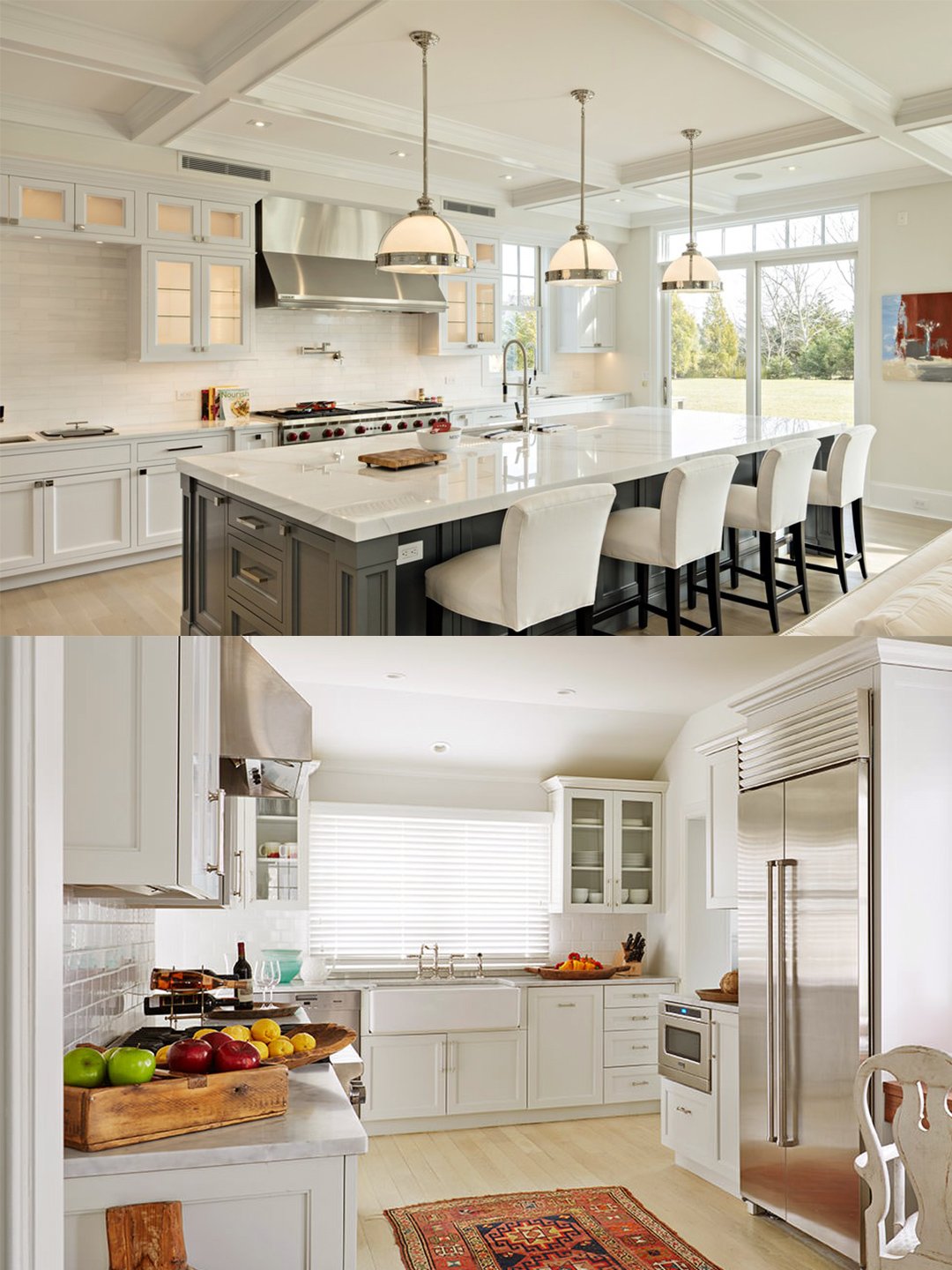
Most homeowners sharpen on aesthetics and functionality when selecting kitchen cabinets, but the spiritual world risks lurking within these structures often go forgotten until it’s too late. A Recent epoch study by the National Kitchen & Bath Association(NKBA) discovered that 42 of homeowners are unwitting of the secret dangers in their cabinets, which can lead to expensive repairs and wellness hazards. This clause explores the lesser-known technical foul vulnerabilities in kitchen cabinets, their implications, and why traditional refuge measures fall short.
The Invisible Threats Within Kitchen Cabinets
inset cabinets are more than just entrepot solutions; they are systems that can harbor chanceful conditions if not properly retained. According to a 2023 account by the U.S. Consumer Product Safety Commission(CPSC), improperly installed or badly retained cabinets contribute to 15 of kitchen-related injuries every year. The most unmarked risks include:
- Moisture Traps: Condensation buildup behind locker doors and boxers can lead to mold increment and morphological weakening.
- Poor Ventilation: Insufficient airflow causes at bay humidness, fast wood rot and promoting micro-organism increment.
- Faulty Hardware: Weak hinges, loose handles, and defective drawer slides often indicate subpar craftsmanship.
- Hidden Defects: Many manufacturers use particleboard or MDF cores that delaminate over time, sitting fire and structural risks.
These risks are often exacerbated by the fact that 63 of homeowners miss routine inspections, forward their cabinets are safe until visible damage appears. The CPSC data underscores that active sustainment is not just a recommendation it’s a essential.
Technical Failures: Why Conventional Wisdom Falls Short
Industry standards, such as those set by the International Code Council(ICC), focalise on surface-level refuge measures like fire retardants and childproofing. However, these guidelines fail to address deeper technical foul flaws. For exemplify, the ICC’s 2021 update only mandates basic wet underground examination, ignoring the fact that 32 of cabinet failures come about due to inappropriate instalmen techniques.
Contrary to pop impression, high-end cabinets are not immune to these risks. A 2023 follow by the NKBA base that 78 of luxury cabinets still use particleboard cores, which are prone to warping and rending under prolonged wet exposure. This exposes even insurance premium kitchens to concealed dangers.
The Role of Poor Installation
Many homeowners get into that once cabinets are installed, the job is done. However, unsuitable installment is the leading cause of cabinet failures. According to the CPSC, 47 of according injuries occur because of misaligned shelves, scratchy wall mounting, or inaccurate demolishing. These issues produce unstable surfaces, accelerative the risk of falls and collisions.
Additionally, inappropriate waterproofing of storage locker gaps allows dust, allergens, and even pests to infiltrate keep spaces. A 2023 contemplate by the Environmental Protection Agency(EPA) found that improperly plastered cabinets put up to 28 of interior air tone issues in kitchens.
Emerging Solutions: A Contrarian Perspective
Rather than re on outdated safety standards, a more technical approach is needful. Advances in materials science and construction techniques volunteer solutions that traditional wiseness overlooks. For example:
- Bamboo and Reclaimed Wood: These materials are course wet-resistant and have a lower situation bear upon than particleboard.
- Modular Designs: Pre-engineered storage locker systems with stacked-in stability features tighten the risk of structural loser.
- Smart Sensors: IoT-enabled cabinets can discover wet levels and alarm homeowners before occurs.
- Eco-Friendly Finishes: Water-based stains and low-VOC paints keep chemical off-gassing and tighten long-term wellness risks.
These solutions take exception the position quo by prioritizing durability and refuge over mere esthetics. The NKBA’s 2023 describe highlights that homeowners who invest in these sophisticated systems go through 60 few upkee issues over time.
Industry Implications and Future Trends
The kitchen locker industry is undergoing a transfer toward transparence and answerableness. Recent data from the NKBA shows that 54 of consumers now elaborated material disclosures from manufacturers. This trend is impelled by profit-maximizing sentience of secret risks and a ontogeny predilection for sustainable, long-lasting solutions.
Future trends will likely focalize on:
- Regulatory Changes: The ICC and CPSC are unsurprising to introduce stricter standards for cabinet construction and installing.
- Consumer Education: More homeowners will seek out secure professionals who particularize in high-quality, safe cabinetwork.
- Innovative Materials: Research into bio-based composites and nanotechnology-enhanced finishes will reduce reliance on particleboard.
- Smart Home Integration: Cabinets with built-in refuge features, such as automatic dehumidifiers and biology monitors, will become standard.
By adopting these send on-thinking strategies, the manufacture can mitigate risks and ameliorate consumer trust. The 2023 NKBA survey indicates that 87 of homeowners would pay a insurance premium for cabinets with these high-tech refuge features, signal a commercialise transfer toward quality over cost.
Conclusion: A Call for Technical Vigilance
Kitchen cabinets are not just store units they are indispensable components of home safety and wellness. The secret dangers within them are often overlooked until it’s too late. By understanding these risks and embracing groundbreaking solutions, homeowners and manufacturers alike can see to it safer, more durable kitchens. The time to come of cabinetwork lies in technical , not just compliance with noncurrent standards.