

Skip to content

  • Home
  • About Us
  • Privacy Policy
  • Terms & Conditions
  • Contact Us
  • Toggle search form

Author: AQ

Best AI Automation Specialist Building Intelligent Workflows

Posted on March 18, 2026 By AQ No Comments on Best AI Automation Specialist Building Intelligent Workflows

In the modern business world, efficiency isn’t just a goal—it’s a necessity. Organizations face the constant challenge of managing complex processes, handling vast amounts of data, and meeting customer expectations in real time. Enter the AI automation specialist, a professional whose expertise goes beyond technology, shaping intelligent workflows that drive productivity, accuracy, and innovation.

Who Is an AI Automation Specialist?

An AI automation specialist is more than a tech expert—they are problem solvers, strategists, and efficiency architects. Their mission is to design systems that automate repetitive tasks, optimize processes, and empower employees to focus on high-value work.

Unlike conventional IT roles that focus on maintaining systems, AI automation specialists analyze workflows, identify inefficiencies, and implement smart automation solutions tailored to the business’s unique needs. They bridge the gap between human intelligence and machine precision, creating workflows that are both efficient and adaptive.

The Importance of Intelligent Workflows

Workflows are the backbone of any organization. They determine how tasks are executed, how information flows between departments, and ultimately, how efficiently a business operates.

Traditional workflows often rely on manual processes, which can be slow, error-prone, and inconsistent. Intelligent workflows, designed by AI automation specialists, transform these processes. They leverage artificial intelligence to make tasks more efficient, predictable, and scalable.

The result is a business environment where employees can focus on strategy and innovation instead of repetitive tasks, and organizations can respond to changes in the market with agility and precision.

How AI Automation Specialists Build Intelligent Workflows

1. Analyzing and Mapping Processes

The first step in creating intelligent workflows is understanding existing processes. AI automation specialists conduct detailed analyses of workflows to identify inefficiencies, bottlenecks, and error-prone areas.

They map out every step of a process, noting where Best ai automation specialist can improve speed and accuracy. This detailed approach ensures that automation doesn’t just replicate existing processes but enhances them to deliver measurable value.

2. Automating Repetitive Tasks

Repetition is a major source of inefficiency and error. AI automation specialists design systems that handle routine tasks—such as data entry, report generation, and email responses—automatically.

By removing the need for manual intervention, businesses save time, reduce errors, and allow employees to focus on tasks that require creativity and critical thinking. Automation doesn’t just speed up workflows; it makes them smarter.

3. Integrating AI for Intelligent Decision-Making

Intelligent workflows don’t just follow rules—they learn and adapt. AI automation specialists incorporate machine learning and analytics into workflows, allowing systems to make data-driven decisions in real time.

For example, an AI-powered workflow in customer service can automatically prioritize inquiries based on urgency, assign tickets to the appropriate agent, and even suggest responses. This reduces response time, improves accuracy, and enhances customer satisfaction.

4. Monitoring and Continuous Optimization

Building intelligent workflows is not a one-time project—it’s an ongoing process. AI automation specialists monitor the performance of automated systems, analyze outcomes, and refine workflows to ensure they remain efficient and relevant.

Continuous optimization allows businesses to stay agile, respond to market changes, and maintain high standards of performance and accuracy.

Benefits of Intelligent Workflows

Organizations that implement intelligent workflows through AI automation specialists experience a wide range of benefits:

  • Increased Efficiency: Tasks are completed faster and with fewer errors.

  • Improved Accuracy: Automation reduces the risk of human mistakes.

  • Better Resource Utilization: Employees focus on strategic, high-value work.

  • Enhanced Decision-Making: AI provides actionable insights in real time.

  • Scalability: Workflows can adapt to growing demands without major disruptions.

These advantages create a competitive edge, enabling businesses to operate smarter, faster, and more reliably than ever before.

Key Traits of the Best AI Automation Specialists

The professionals who excel in building intelligent workflows share several key qualities:

  • Analytical Mindset: They can dissect complex processes and identify opportunities for automation.

  • Technical Expertise: They are proficient in AI tools, machine learning, and automation platforms.

  • Problem-Solving Skills: They approach challenges creatively and design practical solutions.

  • Strong Communication: They collaborate effectively with both technical teams and business stakeholders.

Final Thoughts

Intelligent workflows are no longer a luxury—they are a necessity for organizations aiming to thrive in today’s competitive environment. The best AI automation specialists play a pivotal role in designing and implementing these workflows, turning complex, error-prone processes into streamlined, adaptive systems.

By combining AI technology with human insight, these specialists help businesses achieve operational excellence, enhance productivity, and empower employees to focus on what truly matters. In the era of digital transformation, building intelligent workflows is not just about automation—it’s about creating smarter, more agile, and future-ready organizations.

Technology

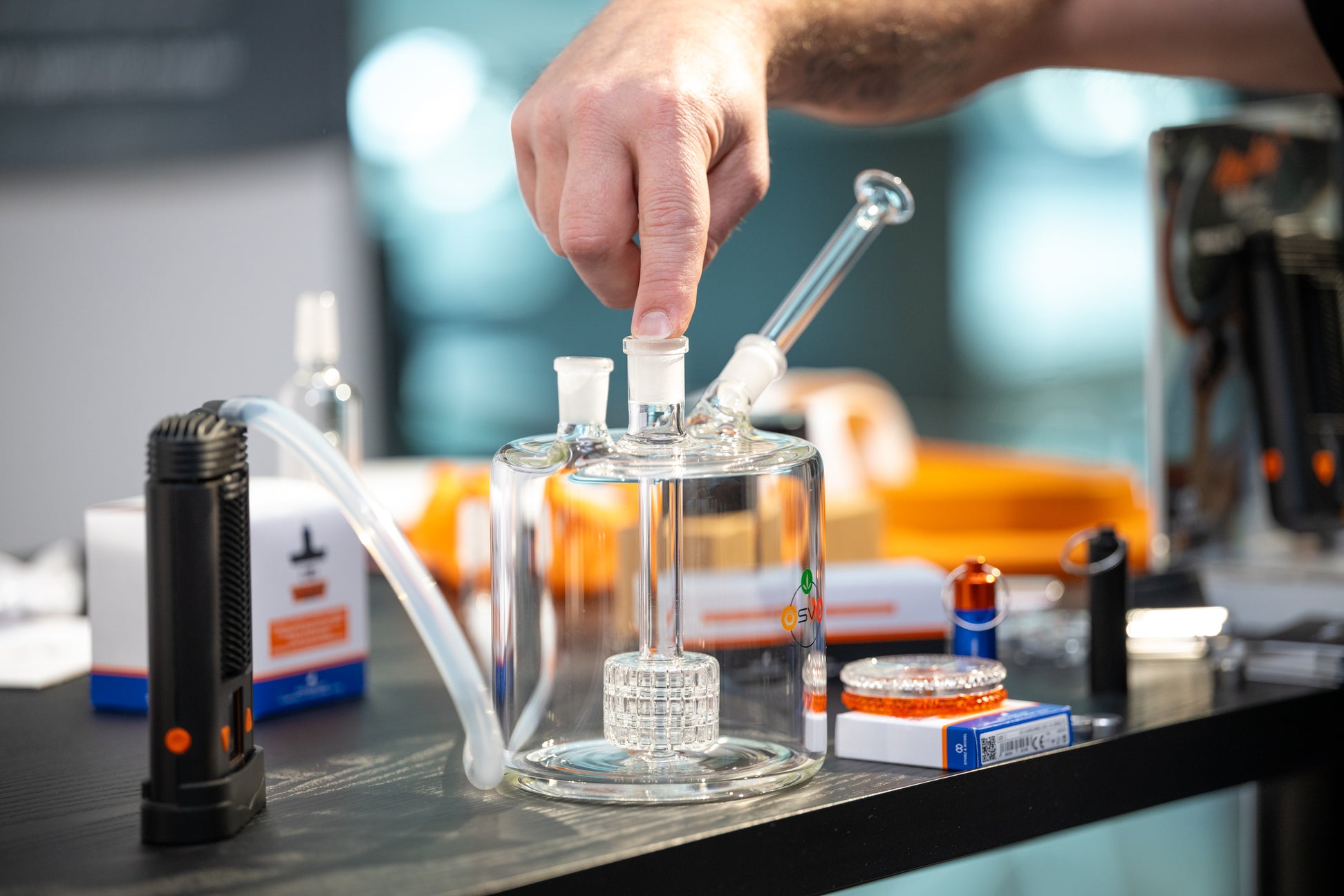
How to Clean Your Dry Herb Vaporizer Properly

Posted on March 10, 2026 By AQ No Comments on How to Clean Your Dry Herb Vaporizer Properly

Keeping your dry herb vaporizer clean is essential for maintaining good performance, smooth airflow, and the best possible flavor. Over time, residue from herbs can build up inside the chamber, mouthpiece, and airpath. If the device is not cleaned regularly, this buildup can affect vapor quality, restrict airflow, and even shorten the lifespan of the vaporizer. Proper cleaning is simple and only requires a few basic tools and a little routine maintenance dry herb vape.

Why Cleaning Your Vaporizer Is Important

Regular cleaning improves both the performance and the taste of your vaporizer. When residue accumulates in the heating chamber or airpath, it can block airflow and make the vapor feel harsh or weak. A clean vaporizer ensures that heat is distributed evenly and that the vapor remains smooth and flavorful.

Cleaning also helps prevent sticky buildup that can make parts difficult to remove. By keeping the device clean, you can extend its life and avoid potential damage caused by residue or overheating.

Basic Tools You Will Need

Before starting the cleaning process, gather a few simple supplies. These tools will make the process easier and more effective:

  • Isopropyl alcohol (usually 70% or higher)

  • Cotton swabs or cotton buds

  • Small cleaning brush (many vaporizers include one)

  • Soft cloth or paper towels

  • Warm water

Having these items ready will allow you to clean the vaporizer quickly and safely.

Step 1: Turn Off and Cool the Device

Before cleaning, always turn off the vaporizer and allow it to cool completely. Cleaning a hot device can be dangerous and may damage internal components. Once the vaporizer has cooled down, you can begin disassembling the removable parts.

Step 2: Empty the Herb Chamber

Open the heating chamber and remove any leftover herb material. A small cleaning brush can be used to gently sweep out loose particles. It is best to do this step after every session to prevent buildup from forming.

Regularly brushing out the chamber keeps the device cleaner and reduces the need for deep cleaning later.

Step 3: Clean the Chamber

If residue has built up inside the chamber, lightly dip a cotton swab in isopropyl alcohol and gently wipe the interior surfaces. Avoid soaking the chamber with alcohol, as too much liquid can damage the device.

After wiping the chamber, allow it to dry completely before using the vaporizer again.

Step 4: Clean the Mouthpiece

The mouthpiece is one of the parts that collects the most residue. Many vaporizers have removable mouthpieces that can be soaked in warm water or lightly cleaned with alcohol.

Use a cotton swab or small brush to remove any sticky buildup. After cleaning, rinse with warm water if needed and allow the mouthpiece to dry fully before reattaching it.

Step 5: Clean the Airpath

The airpath is where vapor travels from the heating chamber to the mouthpiece. Over time, small amounts of residue can accumulate here as well.

A cotton swab or pipe cleaner slightly dampened with alcohol can be used to gently clean this area. Be careful not to push residue deeper into the device.

Step 6: Let All Parts Dry Completely

After cleaning, it is very important to allow every component to dry completely before reassembling the vaporizer. Alcohol evaporates quickly, but any remaining moisture should be gone before turning the device back on.

Reassembling the device too early could affect performance or damage internal electronics.

Step 7: Reassemble and Test the Device

Once all parts are dry, reassemble the vaporizer and turn it on. Some users like to run the device at a medium temperature for a few minutes with an empty chamber. This helps remove any remaining cleaning residue and prepares the vaporizer for the next session.

How Often You Should Clean Your Vaporizer

Light cleaning, such as brushing out the chamber, should ideally be done after each session. A deeper cleaning that involves wiping parts with alcohol can be done every few uses or once a week depending on how often the vaporizer is used.

Regular maintenance prevents heavy buildup and keeps the vaporizer performing at its best.

Final Thoughts

Cleaning your dry herb vaporizer properly is a simple but important habit. Regular maintenance improves flavor, keeps airflow smooth, and helps the device last longer. By taking a few minutes to clean the chamber, mouthpiece, and airpath, you can ensure that every session remains enjoyable and efficient.

Shopping & Product Reviews

Top Procedures Offered by Boulder Cosmetic Dentists

Posted on March 9, 2026 By AQ No Comments on Top Procedures Offered by Boulder Cosmetic Dentists

Cosmetic dentistry has evolved significantly over the last few decades, offering patients a variety of ways to improve their smile and overall appearance. In Boulder, Colorado, residents have access to state-of-the-art cosmetic dental practices offering innovative solutions tailored to individual needs. Whether you are seeking minor enhancements or a full smile makeover, understanding the top procedures offered by Boulder cosmetic dentists can help you make informed decisions Boulder Emergency Dentist.

1. Teeth Whitening

Teeth whitening remains one of the most requested cosmetic dental procedures. Boulder's dentists offer in-office professional whitening treatments that provide dramatic results in a single session.

  • Benefits: Quick results, removal of deep stains, improved self-confidence.

  • Methods: In-office bleaching, take-home whitening kits, and laser-assisted treatments.

  • Considerations: May cause temporary sensitivity; results vary depending on the type of stains.

2. Dental Veneers

Veneers are custom-made shells, usually crafted from porcelain, that cover the front surface of teeth. They are ideal for correcting:

  • Discoloration

  • Chips and cracks

  • Uneven spacing

  • Minor misalignments

  • Benefits: Durable, natural appearance, customizable shape and shade.

  • Procedure: Usually requires two to three visits for preparation, impression, and placement.

3. Dental Bonding

Bonding involves applying a composite resin to repair imperfections in teeth. It is a minimally invasive procedure suitable for:

  • Small chips or cracks

  • Closing minor gaps

  • Correcting discoloration

  • Advantages: Less expensive than veneers, quick application, often completed in a single visit.

  • Limitations: Less durable than porcelain; may require touch-ups over time.

4. Invisalign and Clear Aligners

Orthodontic treatments are no longer limited to traditional metal braces. Clear aligner systems like Invisalign offer discreet teeth straightening solutions.

  • Benefits: Virtually invisible, removable for eating and cleaning, comfortable.

  • Process: Customized aligners are worn for 20–22 hours per day, replaced every 1–2 weeks until teeth are aligned.

5. Dental Implants

Missing teeth can affect both aesthetics and function. Dental implants are a long-lasting solution involving titanium posts surgically placed into the jawbone, supporting crowns that mimic natural teeth.

  • Advantages: Durable, prevents bone loss, restores full function.

  • Process: Requires evaluation, surgical placement, and healing period before the final crown is attached.

6. Gum Contouring and Reshaping

A balanced gum line is essential for a harmonious smile. Cosmetic dentists in Boulder perform gum contouring to reshape uneven or excessive gum tissue.

  • Techniques: Laser dentistry or traditional surgical methods.

  • Benefits: Enhances smile symmetry, reduces “gummy” appearance, minimal recovery time.

7. Crowns and Bridges

For teeth that are damaged or heavily restored, crowns provide full coverage, restoring function and appearance. Bridges fill gaps left by missing teeth using adjacent teeth as support.

  • Materials: Porcelain, ceramic, or zirconia for natural-looking results.

  • Longevity: Proper care can make crowns and bridges last 10–15 years or more.

8. Smile Makeovers

For patients seeking comprehensive improvement, smile makeovers combine multiple procedures such as whitening, veneers, bonding, and orthodontics.

  • Approach: Tailored plan considering facial symmetry, tooth proportion, and patient goals.

  • Outcome: Dramatic enhancement of both aesthetics and confidence.

9. Professional Consultation and Imaging

Modern cosmetic dentistry in Boulder leverages digital imaging and 3D scans to plan procedures with precision. Dentists can simulate post-treatment results, helping patients visualize their new smile before treatment begins.

  • Benefits: Reduces surprises, improves accuracy, and ensures patient satisfaction.

Choosing the Right Procedure

Selecting the right cosmetic dental procedure depends on several factors:

  • Oral health status

  • Desired outcome

  • Budget and insurance coverage

  • Time available for treatment

A consultation with a qualified Boulder cosmetic dentist ensures a personalized plan tailored to your goals and needs.

2. Dental Veneers

0

Boulder cosmetic dentists offer a wide array of procedures designed to enhance smiles while maintaining oral health. From teeth whitening and veneers to advanced orthodontics and dental implants, the options cater to both minor cosmetic adjustments and complete transformations. Understanding the procedures, benefits, and considerations allows patients to make informed choices, ultimately achieving a smile that is both beautiful and functional.

Health & Fitness

Modern Tile Inspirations for Stylish Home Renovations

Posted on March 9, 2026 By AQ No Comments on Modern Tile Inspirations for Stylish Home Renovations

In the world of interior design, tiles have evolved from simple functional elements to powerful tools that define the style, mood, and personality of a home. Modern tile designs now combine aesthetics, technology, and functionality, allowing homeowners and designers to transform ordinary spaces into visually captivating environments. Whether you are renovating a kitchen, bathroom, living room, or even outdoor areas, modern tile provide endless possibilities to create a stylish and enduring impression.

The Rise of Modern Tile in Home Renovations

Tiles have been used in architecture for centuries, but recent innovations have elevated them to an art form. Advanced manufacturing techniques have introduced materials such as porcelain, ceramic, glass, and natural stone in formats and finishes that were previously unimaginable. Large-format tiles, for example, allow seamless surfaces that reduce grout lines and enhance a sense of space, making them ideal for modern, minimalist interiors.

Modern tiles are no longer restricted to walls and floors. Designers now use them as accents, statement walls, and even furniture inlays. This trend highlights the tile's role as both a decorative and functional element, bridging the gap between artistry and utility in home renovations.

Embracing Minimalism with Neutral Tiles

One of the hallmarks of contemporary design is minimalism, which emphasizes clean lines, simplicity, and subtle elegance. Neutral-colored tiles such as whites, greys, and soft beiges are perfect for achieving this aesthetic. These tiles create a blank canvas, allowing other design elements, such as furniture, lighting, and artwork, to take center stage.

For instance, a large-format matte grey porcelain tile on the floor can provide a sleek foundation for a living room, while glossy white wall tiles in the kitchen reflect light and make the space feel airy. Pairing neutral tiles with natural textures like wood, leather, or concrete enhances the sophistication of the space without overwhelming the senses.

Bold Patterns and Geometric Designs

While minimalism embraces simplicity, modern tiles also allow homeowners to make bold, artistic statements. Geometric patterns, Moroccan-inspired mosaics, and hexagonal tiles are increasingly popular choices for accent walls, backsplashes, and even entire floors. These designs inject personality and visual interest into spaces that might otherwise feel sterile.

For kitchens, patterned tiles behind the stove or sink can act as an artistic focal point, breaking the monotony of neutral cabinetry. In bathrooms, geometric floor tiles create an illusion of depth and movement, turning a simple washroom into a stylish sanctuary. The key is balance: pairing bold patterns with understated surroundings ensures the tiles remain eye-catching without becoming overwhelming.

Textured Tiles for Depth and Dimension

Texture is a critical element in modern design, as it adds depth and tactile appeal to interiors. Modern tiles come in a variety of textures, including three-dimensional patterns, ridged surfaces, and natural stone finishes. Textured tiles can be used strategically to highlight specific areas, such as feature walls or fireplace surrounds, adding richness and complexity to the design.

For example, a living room wall with 3D ceramic tiles can create a dynamic visual effect, especially when combined with carefully placed lighting. Similarly, textured tiles in the bathroom can mimic natural materials like slate or wood, providing warmth and character while maintaining the durability of tile.

Sleek Metallic and Glass Finishes

Contemporary homes often integrate reflective surfaces to enhance light and create a sense of space. Modern metallic and glass tiles excel in this regard, adding a touch of luxury and sophistication. Glass tiles are particularly effective in bathrooms and kitchens, reflecting natural light and making smaller spaces feel more expansive.

Metallic tiles, available in shades like brushed gold, copper, and stainless steel, can be used as accents or borders to elevate the overall aesthetic. These finishes complement modern fixtures, minimalist cabinetry, and neutral palettes, resulting in interiors that are elegant yet contemporary.

Sustainable and Eco-Friendly Tile Options

Sustainability is a growing consideration in home renovations, and modern tiles are leading the way in eco-friendly solutions. Recycled glass tiles, sustainably sourced natural stone, and low-emission ceramic tiles provide homeowners with environmentally conscious options that do not compromise on style or quality.

In addition to material choices, modern tiles are often highly durable and low-maintenance, reducing the need for frequent replacements and minimizing environmental impact over time. This combination of sustainability and long-lasting beauty makes tiles a smart investment for stylish, eco-conscious homeowners.

Innovative Layouts and Installation Techniques

The way tiles are installed can dramatically alter the look and feel of a space. Modern layouts go beyond traditional straight grids, embracing diagonal patterns, herringbone, chevron, and stacked designs. These innovative arrangements can make small rooms appear larger, add movement to expansive areas, and create a sense of uniqueness that sets your renovation apart.

For instance, a herringbone wood-look tile floor in the living room offers a sophisticated take on a classic parquet style, combining warmth with modern elegance. Similarly, vertical wall tiles in the bathroom can make ceilings appear taller, creating an airy and spacious atmosphere.

Mixing Materials for a Unique Look

Modern design thrives on the fusion of materials. Combining tiles with wood, metal, or even concrete can produce eclectic and visually engaging spaces. For example, a kitchen with a concrete countertop and patterned ceramic backsplash provides a tactile contrast that enhances the overall aesthetic.

Mixing matte and glossy finishes is another popular trend, allowing for dynamic interplay between light, texture, and color. Homeowners can experiment with these combinations to create spaces that reflect their personality while maintaining a cohesive design language.

Tips for Choosing Tiles for Home Renovations

Selecting the right tile involves more than picking a color or pattern. Consider the following factors for a stylish and functional outcome:

  1. Purpose and Location: High-traffic areas require durable, scratch-resistant tiles, while decorative spaces allow for more delicate materials.

  2. Scale and Proportion: Large tiles can make rooms feel spacious, while small tiles add intricate detail.

  3. Color Harmony: Ensure the tile palette complements existing furniture, fixtures, and wall colors.

  4. Maintenance: Choose tiles that are easy to clean and maintain, particularly in kitchens and bathrooms.

  5. Professional Installation: Proper installation ensures longevity and prevents issues such as uneven surfaces or grout discoloration.

Conclusion

Modern tiles offer limitless inspiration for stylish home renovations. From minimalist neutrals to bold geometric patterns, textured surfaces to metallic finishes, the right choice of tiles can redefine the atmosphere of any space. Beyond aesthetics, modern tiles provide durability, low maintenance, and eco-friendly options, making them an ideal investment for homeowners seeking both beauty and functionality.

Whether you are planning a full-scale renovation or a simple upgrade, exploring modern tile trends and creative applications will help you achieve a home that is not only stylish but also reflective of your personal taste. By combining materials, textures, and patterns thoughtfully, your renovation can become a testament to the power of modern tile in transforming everyday spaces into extraordinary living environments.

Home & Kitchen Ideas

Airplane Injury Lawyers The Key to Winning Aviation Lawsuits

Posted on March 8, 2026 By AQ No Comments on Airplane Injury Lawyers The Key to Winning Aviation Lawsuits

Air travel is a part of daily life for millions of people around the world. While flying is generally safe, accidents and injuries can still occur, sometimes with devastating consequences. From severe turbulence and slip-and-fall incidents to mechanical failures and pilot errors, aviation accidents can leave victims physically injured, emotionally traumatized, and financially burdened. When such incidents happen, pursuing justice can be complicated, requiring specialized legal knowledge. This is where airplane injury lawyers become the key to winning aviation lawsuits.

In this article, we’ll explore how these legal experts help victims navigate complex aviation cases, secure fair compensation, and achieve justice.

Understanding Aviation Injury Cases

Aviation injury cases are unique because they often involve multiple parties, international regulations, and highly technical evidence. Common types of aviation injuries include:

  • Turbulence-related airplane injury lawyers such as broken bones or head trauma

  • Slip-and-fall accidents during boarding or disembarking

  • Injuries from falling luggage or unsecured cabin items

  • Harm caused by pilot error or mechanical failures

  • Runway and ground handling accidents

Unlike ordinary personal injury cases, aviation accidents may involve the airline, aircraft manufacturers, maintenance providers, airport authorities, and even regulatory agencies. This complexity makes expert legal guidance essential to achieving a successful outcome.

Why Airplane Injury Lawyers Are Essential

Winning an aviation lawsuit requires more than filing a claim—it requires a deep understanding of aviation law, meticulous preparation, and skilled advocacy. Experienced airplane injury lawyers provide all of this and more.

Specialized Knowledge in Aviation Law

Aviation law is a highly specialized area, involving federal regulations, international agreements, and airline policies. Lawyers who focus on this field know how to apply these laws to individual cases, ensuring claims are properly filed and deadlines are met. This expertise is crucial for avoiding costly mistakes that could jeopardize a case.

Identifying All Responsible Parties

In aviation lawsuits, multiple parties can share liability. These may include:

  • Airlines operating the flight

  • Aircraft and component manufacturers

  • Maintenance and repair companies

  • Airport authorities

  • Air traffic control operators

Airplane injury lawyers conduct thorough investigations to identify every responsible party, increasing the chances of recovering full compensation.

How Lawyers Build a Strong Aviation Case

Conducting Detailed Investigations

A solid aviation lawsuit starts with an exhaustive investigation. Lawyers gather evidence such as:

  • Flight data recordings and cockpit logs

  • Aircraft maintenance and inspection records

  • Crew statements and passenger testimonies

  • Accident scene documentation and photographs

For complex cases, lawyers work with aviation experts, engineers, and accident reconstruction specialists. This ensures the cause of the accident is accurately determined, which is essential for proving liability.

Assessing Damages Accurately

Securing fair compensation requires a clear understanding of the victim’s financial and personal losses. Airplane injury lawyers evaluate:

  • Medical expenses, including future treatments

  • Rehabilitation and therapy costs

  • Lost income and reduced earning potential

  • Pain, suffering, and emotional distress

  • Loss of quality of life

Properly documenting these damages ensures that victims do not settle for less than they deserve.

Negotiating with Airlines and Insurance Companies

Airlines and insurers often have powerful legal teams aimed at minimizing payouts. Airplane injury lawyers advocate for victims, presenting clear evidence and expert testimony to negotiate fair settlements. Many lawsuits are resolved outside court, saving victims time and stress while achieving favorable results.

Litigating When Settlements Fail

When negotiations do not lead to a fair outcome, airplane injury lawyers are prepared to take the case to court. They handle every stage of litigation, including:

  • Filing lawsuits and presenting legal arguments

  • Examining and cross-examining witnesses

  • Presenting expert testimony in understandable terms

  • Advocating for maximum compensation before a judge or jury

Courtroom expertise is particularly important in aviation lawsuits, which often involve significant damages and multiple defendants.

Supporting Victims Beyond Legal Guidance

Airplane injury lawyers do more than fight for compensation—they provide practical and emotional support. Victims and their families may be coping with trauma, medical recovery, and financial stress. Lawyers help by:

  • Explaining the claims process in clear terms

  • Managing communications with airlines and insurers

  • Handling paperwork, deadlines, and legal procedures

  • Offering reassurance and guidance throughout the case

This comprehensive support allows victims to focus on recovery while their legal matters are expertly managed.

Choosing the Right Lawyer

Not all lawyers are equipped to handle aviation lawsuits. Victims should look for attorneys who:

  • Specialize in aviation or transportation law

  • Have experience handling complex injury and high-value claims

  • Work with aviation experts and investigators

  • Maintain a strong record of securing fair compensation

The right lawyer can significantly influence both the speed and outcome of an aviation lawsuit.

Final Thoughts

Aviation accidents can leave lasting physical, emotional, and financial consequences. Navigating the legal complexities of such cases requires expertise, strategic planning, and dedicated advocacy.

Airplane injury lawyers are the key to winning aviation lawsuits. They investigate accidents thoroughly, identify liable parties, document damages accurately, negotiate with insurers, and represent victims in court when necessary. With the right lawyer, victims can focus on healing while ensuring that justice is served and compensation is fair. ️️

Legal & Law

Posts pagination

Previous 1 … 16 17 18 … 70 Next

Dynamic Blogroll & Sidebar

Version:1.0.47เช่ารถอุดร

Recent Posts

  • Why Understanding Aspect Ratios is Key for Media Professionals
  • Unlocking the Brave New Era of Business Phone Systems
  • Decoding IHATEC Edu’s Hidden Algorithms
  • Maximize Your Space with a Two Burner Tabletop Gas Stove
  • Wood & Company: A Trusted Name Built on Quality, Integrity, and Long-Term Vision

Recent Comments

  1. A WordPress Commenter on Hello world!

Copyright © 2026 .

Powered by PressBook Blog WordPress theme