
Skip to content

  • Home
  • About Us
  • Privacy Policy
  • Terms & Conditions
  • Contact Us
  • Toggle search form

Category: Health & Fitness

Dental Aesthetics vs  General Dentistry Key Differences

Posted on March 6, 2025 By AQ No Comments on Dental Aesthetics vs  General Dentistry Key Differences
Dental Aesthetics vs  General Dentistry  Key Differences

As you sit in the dentist’s chair, you might wonder what sets dental aesthetics apart from general dentistry. You’re not alone – many people don’t realize that these two fields have distinct focuses and approaches. While general dentistry is all about maintaining your overall oral health, diş estetiği fiyatları aesthetics is concerned with the cosmetic aspects of your teeth and gums. But what exactly does that mean for your smile? How do these specialties differ in terms of procedures, training, and expertise? You’re about to find out – and it may just change the way you think about your dental care.

What Is Dental Aesthetics?

When you think of a perfect smile, you likely envision a radiant, healthy-looking grin that exudes confidence.

This is precisely what dental aesthetics is all about – enhancing the appearance of your teeth and gums to boost your self-esteem and overall quality of life.

As a branch of dentistry, dental aesthetics focuses on improving the visual appeal of your smile, taking into account the shape, color, alignment, and proportions of your teeth.

You might want to address issues like tooth discoloration, uneven teeth, or gaps between them.

A dental aesthetician will work with you to identify areas for improvement and create a personalized treatment plan.

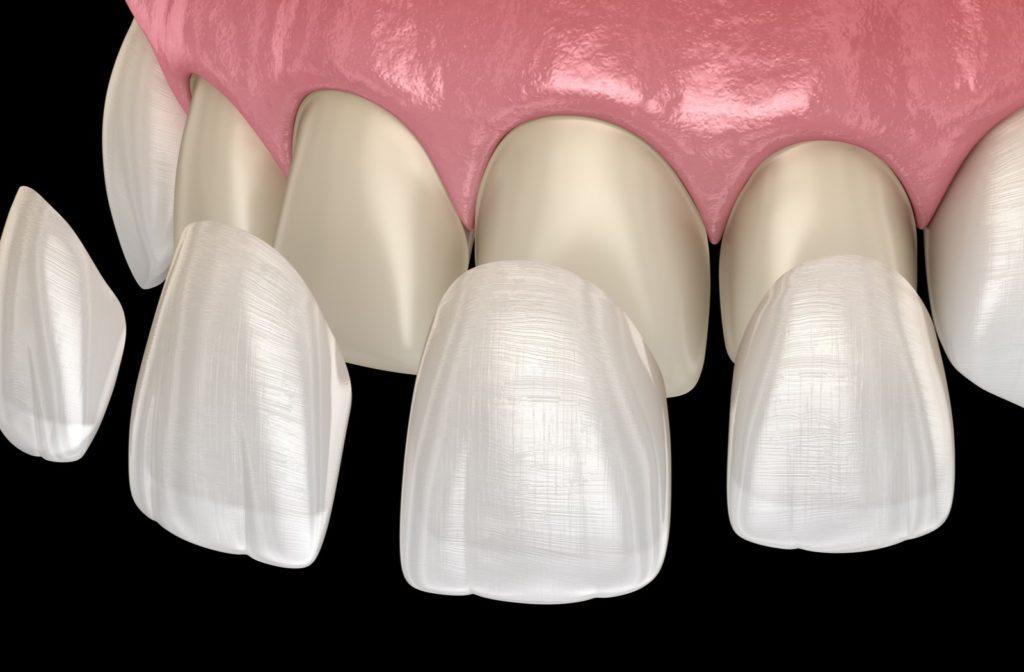
This might involve procedures like teeth whitening, bonding, veneers, or crowns.

The goal is to create a smile that not only looks amazing but also feels natural and comfortable.

Focus of General Dentistry

Frequently, you visit your general dentist for routine check-ups and cleanings, but have you ever wondered what their primary focus is?

Their main concern is your overall oral health. General dentists are trained to detect and prevent various dental problems, such as tooth decay, gum disease, and oral infections.

They’re also skilled in diagnosing and managing conditions like dry mouth, tooth sensitivity, and halitosis.

Your general dentist is dedicated to identifying potential issues before they become severe.

They’ll assess your teeth, gums, and surrounding tissues to identify any signs of trouble. If they detect a problem, they’ll develop a treatment plan to address it.

Their goal is to help you maintain good oral health, which is essential for your overall well-being.

Procedures and Treatments

Beyond routine check-ups and cleanings, general dentists offer a range of procedures and treatments to address specific oral health concerns.

You may need a filling to repair a cavity, or a crown to restore a damaged tooth. General dentists can also perform extractions, whether it’s a wisdom tooth or a tooth that’s beyond repair.

They can treat gum disease with scaling and root planing, and even provide dentures or bridges to replace missing teeth. If you’re experiencing tooth pain, a general dentist can perform a root canal to save the tooth.

They may also offer teeth whitening treatments or apply sealants to prevent decay. Additionally, general dentists can provide mouthguards to protect your teeth during sports or nighttime grinding.

While general dentists can improve the appearance of your teeth, their primary focus is on restoring function and addressing oral health issues.

Training and Expertise

Expertise is the foundation upon which a dentist’s reputation is built. When you’re considering a dentist, you want to know they’ve the skills and knowledge to deliver the best possible care.

In general dentistry, you’ll typically find dentists who’ve completed a Doctor of Dental Surgery (DDS) or Doctor of Dental Medicine (DMD) degree.

They’ve received comprehensive training in all aspects of general dentistry, from routine cleanings to fillings and extractions.

In contrast, dental aestheticians have advanced training in cosmetic dentistry.

They’ve honed their skills through additional education and hands-on experience in procedures like veneers, implants, and teeth whitening.

Many have also earned certifications from reputable organizations, such as the American Academy of Cosmetic Dentistry.

When you’re looking for a smile makeover or other aesthetic treatments, you want a dentist with specialized expertise in this area.

When to See Each Specialist

You’ve got a specific goal in mind when you’re considering a dentist – whether it’s a routine check-up or a smile transformation.

Knowing when to see a general dentist versus a dental aesthetic specialist can make all the difference in achieving your desired outcome.

For routine care, such as cleanings, fillings, and extractions, a general dentist is your go-to.

They’re trained to handle everyday dental needs and can provide preventative care to keep your teeth and gums healthy.

If you’re experiencing tooth pain, sensitivity, or have a dental emergency, a general dentist is the right choice.

However, if you’re looking to improve the appearance of your smile, a dental aesthetic specialist is the way to go.

They’re trained to handle complex cosmetic cases, such as veneers, implants, and smile makeovers.

If you’re unhappy with the shape, color, or alignment of your teeth, a dental aesthetic specialist can help you achieve the smile you’ve always wanted.

Conclusion

You now know the key differences between dental aesthetics and general dentistry. While general dentists focus on your overall oral health, dental aesthetic specialists are the go-to experts for enhancing your smile’s appearance. By understanding their distinct focuses and procedures, you can make informed decisions about your dental care. Whether you need a routine checkup or a smile makeover, choosing the right specialist can make all the difference in achieving your oral health and aesthetic goals.

Health & Fitness

One Body LDN Physiotherapy     Personalized Treatment for Optimal Health

Posted on February 25, 2025 By AQ No Comments on One Body LDN Physiotherapy     Personalized Treatment for Optimal Health
One Body LDN Physiotherapy     Personalized Treatment for Optimal Health

As you consider taking the first step towards optimal health, you’re likely looking for a treatment approach that acknowledges your unique needs and goals. You’re not just a diagnosis or an injury – you’re a complex individual with physical, emotional, and mental factors influencing your well-being. At One Body LDN Physiotherapy, you’ll find expert chartered physiotherapists who take a holistic approach to health recovery, crafting personalized treatment plans that address the intricate connections between your body, mind, and spirit. But what does this truly mean for your journey towards optimal health, and how can you expect to benefit from this tailored approach?

Expert Physiotherapists You Can Trust

With trust being a crucial factor in any physiotherapist-patient relationship, you want to know that you’re in good hands when seeking treatment.

At One Body LDN Physiotherapy, you can rest assured that you’re working with expert physiotherapists who’ve a proven track record of delivering exceptional care.

Our team of chartered physiotherapists is dedicated to providing personalized attention and tailoring their approach to meet your unique needs.

You’ll benefit from their extensive knowledge and experience in treating a wide range of musculoskeletal and sports-related injuries.

From acute injuries to chronic conditions, our physiotherapists have the skills and expertise to assess, diagnose, and treat your condition effectively.

They’ll work closely with you to understand your goals and develop a customized treatment plan that addresses your specific needs and objectives.

Personalized Treatment for Individual Needs

Your unique situation calls for a tailored approach, and that’s exactly what you’ll get at One Body LDN Physiotherapy.

You won’t find generic treatment plans or one-size-fits-all solutions here. Instead, their expert physiotherapists will work closely with you to understand your specific needs, goals, and limitations.

They’ll assess your condition, identify the root causes of your pain or discomfort, and develop a personalized treatment plan that addresses your unique requirements.

This approach ensures that you receive the most effective and efficient care possible.

You’ll benefit from targeted exercises, manual therapy, and other evidence-based techniques that are tailored to your body and your needs.

As you progress, your treatment plan will adapt to your changing needs, ensuring you’re always on the path to optimal recovery.

With One Body LDN Physiotherapy, you can trust that you’re in good hands.

Their commitment to personalized care means you’ll receive the best possible treatment, every step of the way.

Holistic Approach to Health Recovery

At One Body LDN Physiotherapy, a comprehensive understanding of your overall health is key to successful recovery.

You’re not just a patient with an injury; you’re a unique individual with a complex set of physical, emotional, and mental factors that affect your well-being.

That’s why their team of physiotherapists takes a holistic approach to health recovery, considering every aspect of your life that may be impacting your condition.

Achieving Optimal Health and Wellness

Taking control of your health and wellness is a multifaceted journey that requires a deep understanding of your body’s intricate systems and how they interact.

As you navigate this journey, you’ll need to consider factors like nutrition, exercise, and stress management, as well as your mental and emotional well-being.

At One Body LDN Physiotherapy, our team of experienced physiotherapists will work with you to identify areas where you can optimize your health and wellness.

We’ll help you develop personalized strategies for achieving your goals, whether that means improving your physical function, managing chronic pain, or simply feeling more energized and focused.

Real Results for Lasting Improvement

By focusing on personalized strategies and targeted interventions, you can achieve tangible improvements in your overall health and wellness.

At One Body LDN Physiotherapy, our team of expert physiotherapists work closely with you to identify the root causes of your discomfort or pain, creating a tailored treatment plan that addresses your unique needs and goals.

This collaborative approach ensures you receive the most effective and efficient care, leading to real results that last.

You’ll experience significant improvements in your range of motion, strength, and flexibility, allowing you to engage in daily activities with greater ease and confidence.

Our physiotherapists will also educate you on proper techniques and exercises to maintain your progress, empowering you to take control of your health and wellness.

By combining cutting-edge techniques with a patient-centered approach, One One Body physio clinic LDN Physiotherapy helps you achieve lasting improvement and a better quality of life.

With our expert guidance and support, you’ll be on the path to optimal health and wellness in no time.

Conclusion

You’ve taken the first step towards optimal health and wellness by choosing One Body LDN Physiotherapy. With expert physiotherapists guiding you, you’ll receive a personalized treatment plan that addresses your unique needs and goals. By considering the complex interplay of physical, emotional, and mental factors, you’ll experience significant improvements in range of motion, strength, and flexibility. Now, it’s time to take control of your health and start achieving the results you deserve.

Health & Fitness

Blepharoplasty in Turkey Achieve a Youthful Look With Expert Eyelid Surgery

Posted on February 23, 2025 By AQ No Comments on Blepharoplasty in Turkey Achieve a Youthful Look With Expert Eyelid Surgery

As you gaze in the mirror, you can’t help but notice the pesky bags and sagging eyelids that seem to be stealing your youthful glow. You’re not alone – droopy eyelids are a common concern for many, and blepharoplasty in Turkey might just be the solution you’ve been searching for. With its unique blend of affordability, accessibility, and expertise, Turkey has become a hotspot for international patients seeking high-quality eyelid surgery. But what makes Turkey the go-to destination for blepharoplasty, and how can you ensure you’re in good hands? Beard Transplant in Turkey.

Understanding Blepharoplasty Surgery

You’re considering blepharoplasty surgery, a procedure that can transform your appearance and boost your confidence.

This surgical procedure involves the removal of excess skin, fat, and muscle from your upper or lower eyelids to give you a more youthful and refreshed look.

It can be performed on either the upper eyelids, lower eyelids, or both, depending on your individual needs.

You may be a good candidate for blepharoplasty if you have droopy eyelids, puffy bags under your eyes, or excess skin that’s obstructing your vision.

The procedure typically takes one to three hours to complete, and you’ll likely be under local anesthesia or sedation to ensure your comfort.

Your surgeon will make small incisions in your eyelids, and then remove the excess tissue and fat.

The incisions will be closed with sutures or staples, and you’ll need to follow a recovery plan to ensure a smooth healing process.

It’s essential to find a qualified and experienced surgeon to perform your blepharoplasty surgery to achieve the best possible results.

Benefits of Choosing Turkey

Several factors contribute to Turkey’s popularity as a top destination for blepharoplasty surgery.

You’ll find that the country offers a unique combination of affordability, accessibility, and expertise. Compared to many Western countries, Turkey provides high-quality blepharoplasty procedures at a fraction of the cost.

This significant cost savings allows you to invest in yourself without breaking the bank.

Additionally, Turkey’s strategic location makes it an easily accessible destination for international patients.

You can easily reach Turkey from most European cities, and many airlines offer direct flights. This convenience, coupled with the country’s rich cultural heritage, makes Turkey an attractive option for those seeking a unique blend of medical tourism and cultural exploration.

Furthermore, Turkey is home to many experienced and skilled surgeons who are well-versed in the latest blepharoplasty techniques.

You can rest assured that you’ll be in good hands with Turkey’s top-notch medical professionals. By choosing Turkey for your blepharoplasty surgery, you’ll not only achieve a youthful look but also experience a unique and memorable journey.

The Surgery Procedure Explained

The blepharoplasty surgery procedure typically begins with a thorough consultation between you and your surgeon.

During this meeting, you’ll discuss your goals, medical history, and any concerns you may have. Your surgeon will examine your eyes, take measurements, and determine the best approach to achieve the desired results.

On the day of the surgery, you’ll be given local anesthesia and sedation to ensure your comfort.

Your surgeon will make precise incisions in the natural creases of your eyelids to minimize visible scarring. Excess skin, fat, and muscle will be removed, and the remaining tissue will be repositioned to create a more youthful appearance.

The procedure typically takes one to three hours, depending on the extent of the surgery.

You’ll be able to go home the same day, accompanied by a friend or family member. Your surgeon will provide you with post-operative instructions to ensure a smooth recovery.

Throughout the procedure, your surgeon will work carefully to ensure that your results are natural-looking and tailored to your unique features.

Recovery and Aftercare Process

After surgery, your surgeon will provide you with detailed post-operative instructions to ensure a smooth and comfortable recovery.

You’ll need to rest your eyes and avoid strenuous activities for a few days. Your surgeon may recommend applying ice packs to reduce swelling and bruising. It’s essential to follow their advice to minimize the risk of complications.

You’ll experience some swelling, bruising, and discomfort, but these symptoms will subside within a week or two.

Your surgeon may prescribe pain medication to help manage any pain or discomfort. You’ll need to attend follow-up appointments to monitor your progress and remove any sutures or stitches.

It’s crucial to keep your eyes clean and moisturized during the recovery period.

Avoid rubbing your eyes, and don’t wear contact lenses or makeup for a few weeks. You can resume your normal activities, including exercise and driving, within a week or two.

Be patient, and remember that it may take a few months for your eyes to fully recover and settle into their new shape.

Cost and Price Comparison

Clarity is key when it comes to understanding the financial investment required for a successful blepharoplasty procedure in Turkey.

You’re likely wondering how much you’ll need to budget for this life-changing surgery. The cost of blepharoplasty in Turkey varies depending on several factors, including the type of procedure, the surgeon’s expertise, and the location of the clinic.

On average, you can expect to pay between €1,500 and €3,500 for upper eyelid surgery, while lower eyelid surgery typically ranges from €2,000 to €4,000.

If you’re opting for a combination of both, prices can range from €3,000 to €6,000. These prices are significantly lower than what you’d pay in the UK or US, making Turkey an attractive option for those seeking affordable, high-quality care.

When comparing prices, be sure to factor in additional costs such as accommodations, flights, and post-operative care.

Some clinics may offer package deals that include these extras, so be sure to ask about any promotions or discounts that may be available.

Conclusion

You’ve made the decision to undergo blepharoplasty in Turkey, and now you’re one step closer to achieving a youthful look. With skilled surgeons, state-of-the-art facilities, and affordable prices, you can say goodbye to droopy eyelids and hello to a refreshed, rejuvenated you. By choosing Turkey for your blepharoplasty procedure, you’ll not only look amazing but also save a significant amount of money compared to undergoing the same procedure in your home country.

Health & Fitness

Developmental Disabilities Support Schools: A Comprehensive Guide

Posted on February 12, 2025 By AQ No Comments on Developmental Disabilities Support Schools: A Comprehensive Guide

Developmental disabilities are a group of conditions that affect physical, learning, language, or behavior development. These conditions can cause difficulties in performing everyday tasks and functioning in the community. For children with developmental disabilities, specialized support is essential to help them thrive in their education and beyond. Developmental disabilities support schools play a crucial role in offering these children the resources and tailored learning strategies they need to succeed.

This article explores the importance of developmental disabilities support schools, the types of services they provide, and the impact they have on students' lives.

What Are Developmental Disabilities?

Developmental disabilities are a broad category that includes a range of disorders that affect a child's development. These disabilities typically manifest before the age of 22 and may result in limitations in areas such as communication, learning, social skills, and independent living. Some of the most common developmental disabilities include:

  • Autism Spectrum Disorder (ASD): A spectrum of conditions characterized by challenges with social skills, repetitive behaviors, and communication.
  • Intellectual Disability (ID): A condition that involves below-average intellectual functioning and deficits in adaptive behavior.
  • Cerebral Palsy: A group of neurological disorders that affect movement, posture, and coordination.
  • Down Syndrome: A genetic condition that causes developmental delays and intellectual disabilities.
  • Attention Deficit Hyperactivity Disorder (ADHD): A neurodevelopmental disorder characterized by problems with focus, hyperactivity, and impulsivity.

Each of these conditions can vary in severity, and the needs of individuals with developmental disabilities may differ widely.

The Role of Developmental Disabilities Support Schools

Developmental disabilities support schools are specifically designed to provide specialized education and support services to students with developmental disabilities. These schools cater to children who may struggle in traditional classroom settings due to their unique learning needs. The primary goal of these schools is to provide a safe, structured, and supportive environment where children can thrive academically, socially, and emotionally.

Specialized Educational Programs

At developmental disabilities support schools, the curriculum is often tailored to meet the specific needs of each student. Teachers and staff use evidence-based practices and individualized teaching strategies to help students overcome challenges and achieve their academic goals. Some of the key features of specialized educational programs include:

  • Individualized Education Plans (IEPs): An IEP is a legally binding document that outlines the specific educational goals and services a student will receive. These plans are developed in collaboration with teachers, parents, and specialists to ensure that the student’s needs are being met.
  • Smaller Class Sizes: Smaller class sizes are a hallmark of developmental disabilities support schools. This allows for more individualized attention from teachers and better support for students who may require extra help.
  • Therapeutic Support: Many developmental disabilities support schools incorporate therapies into the daily curriculum. These therapies may include speech therapy, occupational therapy, physical therapy, and behavioral therapy, all aimed at helping students develop critical skills.
  • Assistive Technology: To support students with learning challenges, assistive technology is often used. This can include devices and software that help students with reading, writing, communication, and other skills. For example, text-to-speech programs or communication boards may be used to assist students with limited verbal communication.
  • Life Skills Training: In addition to academics, developmental disabilities support schools often place a strong emphasis on teaching life skills, such as personal hygiene, cooking, and managing finances. These skills help students become more independent and prepared for life after school.

Social and Emotional Support

In addition to academic support, developmental disabilities support schools provide students with the tools and resources they need to develop social and emotional skills. This is essential because many students with developmental disabilities face challenges with communication, forming relationships, and managing emotions. Some of the social and emotional support offered by these schools includes:

  • Social Skills Training: Social skills groups or one-on-one coaching may be provided to help students improve their ability to interact with peers and adults. These programs teach students how to navigate social situations, understand social cues, and build friendships.
  • Behavioral Support: Many students with developmental disabilities experience difficulties with behavior, especially in social or stressful situations. Behavioral specialists work with students to develop strategies for managing frustration, anxiety, and other emotions in a healthy way.
  • Counseling Services: Counseling services are often available to help students cope with the emotional challenges that may come with developmental disabilities. This may include individual counseling, group therapy, or family therapy.
  • Peer Support: Peer support programs encourage students to form positive relationships with classmates. This can help students develop a sense of belonging and foster social inclusion.

Parent and Family Involvement

Developmental disabilities support schools recognize that parents and families play a crucial role in the success of students. Schools encourage active involvement from families and work closely with parents to ensure their child’s educational and developmental needs are being met. Some ways in which schools involve parents and families include:

  • Regular Communication: Teachers and school staff maintain open lines of communication with parents, keeping them informed about their child’s progress and any challenges they may be facing.
  • Parent Training: Many support schools offer training programs for parents to help them better understand their child’s needs and learn how to provide appropriate support at home.
  • Support Groups: Some schools host parent support groups, where families can connect with others who are going through similar experiences. These groups provide a valuable opportunity for sharing information and offering emotional support.

Inclusion in the Community

While developmental disabilities support schools focus on individualized care, they also strive to integrate students into the wider community. Community involvement is an important part of the educational experience for students with developmental disabilities, as it helps build independence and social skills. Some ways in which schools encourage community involvement include:

  • Field Trips: Field trips to local businesses, cultural centers, and recreational facilities help students practice their social skills and engage with the world outside of the classroom.
  • Community Service Projects: Some schools offer opportunities for students to participate in community service, giving them the chance to contribute to society and develop a sense of responsibility.
  • Work-Based Learning: As students approach adulthood, many developmental disabilities support schools offer work-based learning opportunities, where students can gain experience in a real-world job environment. This helps students transition from school to the workforce.

The Impact of Developmental Disabilities Support Schools

The impact of developmental disabilities support schools cannot be overstated. By providing tailored education, emotional support, and life skills training, these schools help students with developmental disabilities reach their full potential. Some of the key benefits include:

  • Improved Academic Outcomes: Students in developmental disabilities support schools often show significant progress in their academic performance, thanks to individualized instruction and specialized resources.
  • Increased Independence: Through life skills training and community integration, students gain the skills they need to become more independent and self-sufficient.
  • Enhanced Social Skills: Social skills programs and peer support help students develop the ability to form positive relationships and interact effectively with others.
  • Better Mental Health: The emotional and psychological support provided by these schools helps students manage stress, anxiety, and other emotional challenges, leading to improved mental health outcomes.

Conclusion

Developmental disabilities support schools play an essential role in helping children with developmental disabilities achieve academic, social, and personal success. By providing specialized educational programs, therapeutic support, and life skills training, these schools create an environment where students can thrive and prepare for life beyond the classroom. With a focus on individualized care, community involvement, and family support, developmental disabilities support schools help students develop the tools they need to lead fulfilling and independent lives. For more information on 発達障害 通信制高校, visit this Website.

Health & Fitness

Stay Ahead of the Curve With Advanced Medicare Advantage Training

Posted on February 2, 2025 By AQ No Comments on Stay Ahead of the Curve With Advanced Medicare Advantage Training
Stay Ahead of the Curve With Advanced Medicare Advantage Training

In today’s fast-paced healthcare environment, you can’t afford to fall behind on Medicare Advantage offerings. Advanced training not only sharpens your understanding of complex regulations and plan structures, but it also enhances your ability to advise clients effectively. By investing in your education, you’re positioning yourself as a trusted resource for those navigating their options. But what specific areas should you focus on to truly make an impact, and how can this training translate into tangible benefits for both you and your clients? Let’s explore these critical questions.

Importance of Advanced Training

Advanced training in Medicare Advantage is crucial for anyone looking to excel in the field. If you aim to stay competitive, you need comprehensive knowledge of the intricacies of Medicare plans. This training helps you understand the evolving landscape, equipping you with the tools to better assist clients and navigate their needs.

As you dive deeper into advanced training, you’ll gain insights into the nuances of regulations, eligibility, and coverage options. It’s not just about meeting minimum requirements; it’s about mastering the details that can make a significant difference in your clients’ lives. Armed with this knowledge, you can confidently recommend the best plans, ensuring they receive the most appropriate care.

Moreover, advanced training fosters professional growth. You’re not only enhancing your skill set but also building credibility within the industry. By demonstrating your expertise, you’re more likely to attract and retain clients—after all, people prefer working with someone who knows the ins and outs of Medicare Advantage.

Ultimately, investing time in advanced training isn’t just a requirement; it’s a strategic decision that positions you for long-term success in an increasingly competitive market. Don’t underestimate its importance—commit to advancing your education today.

Key Topics Covered in Training

When you embark on Risk Adjustment Strategies Advantage training, you’ll delve into a variety of key topics that are essential for success in this complex field. Understanding the core structure of Medicare Advantage plans is crucial, as you’ll learn about their benefits, eligibility criteria, and enrollment processes.

You’ll also explore the differences between Medicare Advantage and traditional Medicare, enabling you to make informed recommendations to clients.

Another important area of focus will be the various types of Medicare Advantage plans, including HMO, PPO, and SNP options. You’ll gain insights into plan designs and how they align with beneficiaries’ needs.

Additionally, training will cover essential regulations and compliance issues, which are vital for ensuring that you operate within legal frameworks.

You’ll also examine the role of providers in Medicare Advantage and how networks impact beneficiaries’ choices. Understanding cost-sharing mechanisms, such as premiums, deductibles, and co-pays, will enhance your ability to advise clients effectively.

Lastly, you’ll be introduced to the latest trends in Medicare Advantage, including value-based care and emerging technologies that can reshape healthcare delivery.

This comprehensive training equips you with the knowledge you need to excel in your profession.

Benefits for Professionals

Medicare Advantage training offers numerous benefits for professionals seeking to enhance their expertise in the healthcare field.

You’ll gain a comprehensive understanding of the intricacies of Medicare Advantage plans, which can significantly improve your marketability and employability. With the healthcare landscape constantly evolving, staying current is crucial, and this training keeps you ahead of the curve.

You’ll also learn to navigate the complexities of regulations and compliance requirements. This knowledge will empower you to provide reliable guidance to clients and colleagues alike.

Completing this training enhances your ability to explain the benefits and nuances of Medicare Advantage, positioning you as a trusted resource within your organization.

Moreover, you’ll have access to valuable networking opportunities. Connecting with other professionals in the field can lead to collaborations, mentorships, and career advancements.

Lastly, this training often leads to certifications that can bolster your resume and demonstrate your commitment to ongoing professional development.

Enhancing Patient Care

Enhancing patient care becomes far more manageable with a solid understanding of Medicare Advantage plans. When you know the ins and outs of these plans, it enables you to tailor your approach to each patient’s unique needs. You’ll be able to navigate through coverage options effectively, ensuring patients receive the necessary services without unnecessary delays or complications.

With a grasp of Medicare Advantage, you can actively engage patients in their care decisions. You can explain their options clearly, empowering them to choose plans that best fit their healthcare needs. This transparency fosters trust and satisfaction, which is crucial in building a lasting patient relationship.

Moreover, understanding network providers can lead to better care coordination. You’ll be in a strong position to guide your patients in choosing in-network providers, which streamlines their access to services and reduces out-of-pocket expenses.

When patients feel supported in their healthcare journey, they’re more likely to adhere to treatment plans, resulting in better overall health outcomes. Ultimately, your expertise in Medicare Advantage plans enhances not just patient satisfaction but also their overall health.

This proactive approach places you at the forefront of patient-centered care.

Resources for Ongoing Education

Staying current on Medicare Advantage is essential for healthcare professionals dedicated to providing the best care. To achieve this, you’ll need access to ongoing education resources that keep you informed about the latest developments and best practices in the field.

Consider enrolling in reputable online courses offered by organizations like the National Association of Health Underwriters or the American Association for Medicare Supplement Insurance. These platforms provide up-to-date training modules tailored specifically to Medicare Advantage, allowing you to learn at your own pace.

Additionally, attending industry conferences and workshops can offer valuable networking opportunities and insights from seasoned experts. Look for events hosted by key players in the healthcare industry, such as the National Medicare Advantage Summit or local seminars by your state’s insurance department.

Don’t forget to leverage digital resources. Websites like CMS.gov offer a wealth of information, including policy updates and educational webinars. Following social media accounts of Medicare-related organizations can also keep you informed on relevant changes and trends.

Conclusion

By investing in advanced Medicare Advantage training, you’re positioning yourself at the forefront of the industry. This knowledge not only boosts your marketability but also empowers you to make informed decisions for your clients. As you deepen your expertise, you’ll enhance patient care and satisfaction, creating a ripple effect of positive outcomes. Stay committed to continuous education, and you’ll remain competitive in this dynamic field, ultimately benefitting both yourself and those you serve.

Health & Fitness

Posts pagination

Previous 1 … 9 10 11 Next

Dynamic Blogroll & Sidebar

Version:1.0.47No data found.

Recent Posts

  • How to Combine iGaming, Entertainment & Lifestyle for Maximum Fun
  • Understanding Anger and Finding Balance Through Men’s Anger Management Therapy in Brantford
  • Wood and Company’s Hidden Data Strategy
  • Analyzing Playful Scentsy Harry Potter
  • Advanced Fragrance Layering in Scentsy Clothesline

Recent Comments

  1. A WordPress Commenter on Hello world!

Copyright © 2026 .

Powered by PressBook Blog WordPress theme