
Skip to content

  • Home
  • About Us
  • Privacy Policy
  • Terms & Conditions
  • Contact Us
  • Toggle search form

Category: Health & Fitness

Orthodontist Insights on Preventing Dental Problems

Posted on April 7, 2026 By AQ No Comments on Orthodontist Insights on Preventing Dental Problems

A healthy smile isn’t just about aesthetics—it’s about preventing long-term dental issues and maintaining overall oral health. Orthodontists often see the consequences of neglected dental care, from misaligned teeth to gum disease and cavities. The good news is that most dental problems are preventable with proper habits, early intervention, and guidance from a trusted orthodontist. Here’s an in-depth look at orthodontist insights on preventing dental problems and keeping your smile healthy for life.

Why Prevention Matters

Avoiding Complications Later

Many dental problems start small but can escalate if ignored. Crooked teeth, misaligned bites, or crowded teeth can lead to difficulty cleaning, increased risk of cavities, and jaw discomfort. Preventive care can reduce the need for more invasive and costly treatments in the future.

Protecting Oral Health and Confidence

Preventing dental problems not only safeguards your teeth and gums but also protects your self-esteem. A healthy smile contributes to confidence, better speech, and a positive social impression.

Daily Habits for Healthy Teeth

Brushing Correctly

Brushing is the cornerstone of oral health. Orthodontists recommend brushing at least twice a day with fluoride toothpaste. Use a soft-bristled toothbrush and a gentle circular motion to clean all tooth surfaces, including the gum line.

Tips for Effective Brushing:

  • Brush for at least two minutes.

  • Replace your toothbrush every three months or sooner if bristles are worn.

  • Pay special attention to hard-to-reach areas around orthodontic appliances if you have braces.

Flossing and Interdental Care

Flossing removes plaque and food particles between teeth where a toothbrush can’t reach. For braces, use floss threaders or orthodontic flossers to clean between wires and brackets. Interdental brushes are also highly effective for removing debris in tight spaces.

Rinsing with Mouthwash

Mouthwash can reduce bacteria, strengthen enamel, and help prevent cavities. Look for an alcohol-free antimicrobial or fluoride mouthwash to complement your brushing and flossing routine.

Orthodontic-Specific Tips

Keeping Braces Clean

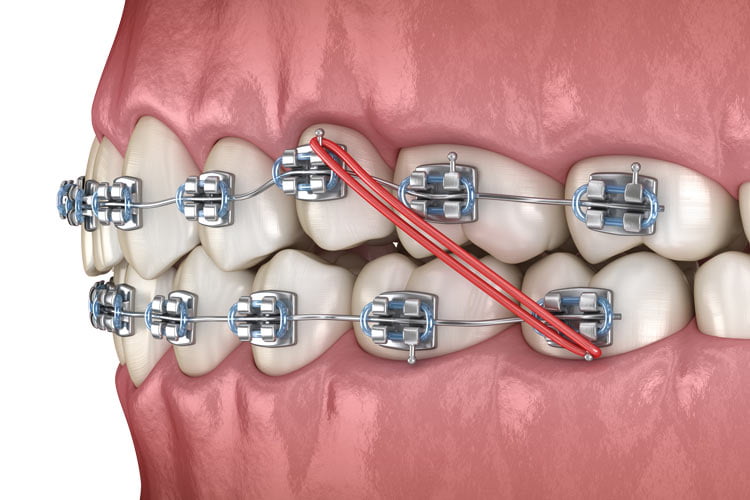
Food can easily get trapped in brackets and wires. Orthodontists recommend brushing after meals and using special tools like proxabrushes to clean around braces. Avoid sticky or hard foods that can damage appliances.

Caring for Clear Aligners

If you use clear aligners, remove them before eating and clean them regularly with a soft brush or cleaning solution. Never use hot water, which can warp the aligners. Maintaining clean trays prevents bacteria buildup and keeps your teeth healthy.

Regular Retainer Use

After orthodontic treatment, retainers help maintain teeth alignment. Wearing them as instructed prevents teeth from shifting, which can create dental problems over time.

Early Intervention for Dental Issues

Regular Check-Ups

Visiting your orthodontist and general dentist regularly helps catch problems early. Early detection of cavities, gum issues, or bite misalignment allows for simpler, less invasive treatments.

Monitoring Growth in Children

For children, orthodontists can monitor jaw growth and tooth development to prevent future alignment problems. Early intervention, such as palate expanders or space maintainers, can guide teeth into proper positions and reduce the need for extensive treatment later.

Addressing Habits That Affect Teeth

Certain habits, like thumb-sucking, nail-biting, or teeth grinding, can lead to misalignment and dental wear. Orthodontists can provide strategies and appliances to mitigate these behaviors before they cause long-term issues.

Lifestyle Factors That Protect Teeth

Healthy Diet Choices

Limit sugary snacks, acidic drinks, and sticky foods that can increase the risk of cavities and enamel erosion. Opt for fruits, vegetables, dairy, and water to strengthen teeth and support overall oral health.

Avoiding Tobacco and Excessive Alcohol

Smoking, chewing tobacco, and excessive alcohol can damage gums, stain teeth, and increase the risk of oral cancer. Avoiding these habits protects your smile and overall health.

Staying Hydrated

Drinking water helps wash away food particles and maintains saliva production, which naturally protects teeth against decay and bacteria.

Final Thoughts: Prevention is the Best Investment

Preventing dental problems isn’t just about avoiding pain or costly treatments—it’s about building habits that protect your smile for life. Orthodontists emphasize that a combination of proper daily care, regular professional visits, and early interventions can significantly reduce the risk of cavities, gum disease, and misalignment.

By brushing and flossing correctly, caring for appliances, maintaining a healthy diet, and addressing issues early, you’re investing in more than just straight teeth—you’re investing in lasting oral health and confidence.

A healthy smile starts with prevention, and with Sacramento orthodontist guidance, you can enjoy a lifetime of strong, beautiful teeth.

Health & Fitness

Health Optimisation Tips: Supplements That Work

Posted on April 5, 2026 By AQ No Comments on Health Optimisation Tips: Supplements That Work

Health optimisation is about making smart, evidence-based choices to support your body and mind. While diet, sleep, and exercise form the foundation of good health, certain supplements cHealth Optimisation Tips: Supplements That Workan help fill nutritional gaps and enhance overall well-being. The key is to choose supplements that are proven to work rather than following trends or marketing hype. Below are some of the most effective supplements and how they can support your health.

Understanding the Role of Supplements

Supplements are designed to complement—not replace—a healthy lifestyle. Even with a balanced diet, it can be difficult to get all essential nutrients consistently. Factors like soil depletion, stress, busy schedules, and dietary restrictions can create gaps in nutrition.

Supplements help bridge these gaps and support specific functions such as immune health, brain function, muscle recovery, and energy production. However, they should always be used wisely and ideally based on individual needs or medical advice.

Vitamin D: The Sunshine Essential

Vitamin D is one of the most important and widely recommended supplements, especially for people who do not get enough sunlight exposure. It plays a crucial role in:

  • Bone health and calcium absorption
  • Immune system function
  • Mood regulation

Low vitamin D levels are linked to fatigue, weakened immunity, and even depression. Supplementing with vitamin D can help maintain optimal levels, particularly in regions with limited sunlight or for individuals who spend most of their time indoors.

Omega-3 Fatty Acids for Heart and Brain Health

Omega-3 fatty acids, commonly found in fish oil, are essential fats that the body cannot produce on its own. They are known for their powerful anti-inflammatory properties and are vital for:

  • Heart health
  • Brain function and memory
  • Reducing inflammation in the body

Studies show that omega-3 supplements can help lower triglycerides and support cognitive performance. For people who do not consume fatty fish regularly, omega-3 supplements are a highly beneficial addition.

Magnesium: The Relaxation Mineral

Magnesium is involved in over 300 biochemical reactions in the body, yet many people are deficient. It is particularly important for:

  • Muscle and nerve function
  • Sleep quality
  • Stress management

Supplementing with magnesium can help improve sleep, reduce muscle cramps, and promote relaxation. Forms such as magnesium glycinate are often preferred for better absorption and fewer digestive side effects.

Protein Supplements for Muscle and Recovery

Protein is essential for muscle repair, growth, and overall body function. While it is best to get protein from whole foods, protein longevity supplements UK like whey or plant-based powders can be useful, especially for active individuals.

Benefits include:

  • Supporting muscle recovery after exercise
  • Helping maintain muscle mass
  • Assisting with weight management by promoting satiety

Protein supplements are particularly helpful for athletes, older adults, and those with high protein needs.

Probiotics for Gut Health

Gut health plays a central role in overall well-being, influencing digestion, immunity, and even mental health. Probiotics are beneficial bacteria that help maintain a healthy gut microbiome.

They can:

  • Improve digestion
  • Support immune function
  • Help with issues like bloating and irregular bowel movements

Probiotics are found in fermented foods like yogurt and kefir, but supplements can provide a more concentrated dose of beneficial bacteria.

Multivitamins: Filling the Nutritional Gaps

Multivitamins are a convenient way to ensure you are getting a broad range of essential vitamins and minerals. While they are not a substitute for a healthy diet, they can help fill nutritional gaps.

A good multivitamin can provide:

  • Vitamins A, C, D, E, and K
  • B vitamins for energy production
  • Essential minerals like zinc and iron

They are especially useful for people with restrictive diets, busy lifestyles, or those who may not eat a balanced diet consistently.

Creatine for Physical and Cognitive Performance

Creatine is one of the most well-researched supplements, widely used to enhance physical performance. It helps increase energy production in muscles, making it popular among athletes and fitness enthusiasts.

Benefits of creatine include:

  • Improved strength and power
  • Enhanced exercise performance
  • Support for muscle growth
  • Potential cognitive benefits

Creatine is considered safe for long-term use when taken at recommended doses.

Zinc: Supporting Immunity and Healing

Zinc is a vital mineral that plays a role in immune function, wound healing, and cell growth. A deficiency in zinc can weaken the immune system and slow recovery from illness.

Supplementing with zinc can:

  • Strengthen immune defenses
  • Support skin health
  • Aid in faster recovery from infections

It is particularly helpful during cold and flu seasons or for individuals with low dietary intake.

Caffeine: Enhancing Energy and Focus

Caffeine is a natural stimulant that can improve alertness, focus, and physical performance. It works by blocking adenosine, a neurotransmitter that makes you feel tired.

Benefits include:

  • Increased mental alertness
  • Improved physical endurance
  • Enhanced concentration

While caffeine is commonly consumed through coffee or tea, it can also be taken as a supplement in controlled doses for targeted effects.

Vitamin D: The Sunshine Essential

0

While supplements can be beneficial, they should be used responsibly. Here are some key tips:

  • Consult a professional: Speak with a doctor or nutritionist before starting any new supplement.
  • Avoid over-supplementation: More is not always better and can sometimes be harmful.
  • Check quality: Choose reputable brands with third-party testing.
  • Focus on diet first: Supplements should support, not replace, a healthy diet.

Vitamin D: The Sunshine Essential

1

A simple and effective supplement routine focuses on your individual needs. For example:

  • Vitamin D for general health
  • Omega-3 for heart and brain support
  • Magnesium for sleep and relaxation
  • Protein if dietary intake is insufficient

This approach ensures you are targeting the most important areas without overcomplicating your routine.

Vitamin D: The Sunshine Essential

2

Health optimisation is not about taking every supplement available—it’s about choosing the right ones that actually work. Supplements like vitamin D, omega-3 fatty acids, magnesium, and protein have strong scientific backing and can significantly improve health when used correctly.

However, they work best when combined with a balanced diet, regular exercise, good sleep, and stress management. By focusing on evidence-based supplements and a healthy lifestyle, you can take meaningful steps toward better long-term health and well-being.

Health & Fitness

Top Procedures Offered by Boulder Cosmetic Dentists

Posted on March 9, 2026 By AQ No Comments on Top Procedures Offered by Boulder Cosmetic Dentists

Cosmetic dentistry has evolved significantly over the last few decades, offering patients a variety of ways to improve their smile and overall appearance. In Boulder, Colorado, residents have access to state-of-the-art cosmetic dental practices offering innovative solutions tailored to individual needs. Whether you are seeking minor enhancements or a full smile makeover, understanding the top procedures offered by Boulder cosmetic dentists can help you make informed decisions Boulder Emergency Dentist.

1. Teeth Whitening

Teeth whitening remains one of the most requested cosmetic dental procedures. Boulder's dentists offer in-office professional whitening treatments that provide dramatic results in a single session.

  • Benefits: Quick results, removal of deep stains, improved self-confidence.

  • Methods: In-office bleaching, take-home whitening kits, and laser-assisted treatments.

  • Considerations: May cause temporary sensitivity; results vary depending on the type of stains.

2. Dental Veneers

Veneers are custom-made shells, usually crafted from porcelain, that cover the front surface of teeth. They are ideal for correcting:

  • Discoloration

  • Chips and cracks

  • Uneven spacing

  • Minor misalignments

  • Benefits: Durable, natural appearance, customizable shape and shade.

  • Procedure: Usually requires two to three visits for preparation, impression, and placement.

3. Dental Bonding

Bonding involves applying a composite resin to repair imperfections in teeth. It is a minimally invasive procedure suitable for:

  • Small chips or cracks

  • Closing minor gaps

  • Correcting discoloration

  • Advantages: Less expensive than veneers, quick application, often completed in a single visit.

  • Limitations: Less durable than porcelain; may require touch-ups over time.

4. Invisalign and Clear Aligners

Orthodontic treatments are no longer limited to traditional metal braces. Clear aligner systems like Invisalign offer discreet teeth straightening solutions.

  • Benefits: Virtually invisible, removable for eating and cleaning, comfortable.

  • Process: Customized aligners are worn for 20–22 hours per day, replaced every 1–2 weeks until teeth are aligned.

5. Dental Implants

Missing teeth can affect both aesthetics and function. Dental implants are a long-lasting solution involving titanium posts surgically placed into the jawbone, supporting crowns that mimic natural teeth.

  • Advantages: Durable, prevents bone loss, restores full function.

  • Process: Requires evaluation, surgical placement, and healing period before the final crown is attached.

6. Gum Contouring and Reshaping

A balanced gum line is essential for a harmonious smile. Cosmetic dentists in Boulder perform gum contouring to reshape uneven or excessive gum tissue.

  • Techniques: Laser dentistry or traditional surgical methods.

  • Benefits: Enhances smile symmetry, reduces “gummy” appearance, minimal recovery time.

7. Crowns and Bridges

For teeth that are damaged or heavily restored, crowns provide full coverage, restoring function and appearance. Bridges fill gaps left by missing teeth using adjacent teeth as support.

  • Materials: Porcelain, ceramic, or zirconia for natural-looking results.

  • Longevity: Proper care can make crowns and bridges last 10–15 years or more.

8. Smile Makeovers

For patients seeking comprehensive improvement, smile makeovers combine multiple procedures such as whitening, veneers, bonding, and orthodontics.

  • Approach: Tailored plan considering facial symmetry, tooth proportion, and patient goals.

  • Outcome: Dramatic enhancement of both aesthetics and confidence.

9. Professional Consultation and Imaging

Modern cosmetic dentistry in Boulder leverages digital imaging and 3D scans to plan procedures with precision. Dentists can simulate post-treatment results, helping patients visualize their new smile before treatment begins.

  • Benefits: Reduces surprises, improves accuracy, and ensures patient satisfaction.

Choosing the Right Procedure

Selecting the right cosmetic dental procedure depends on several factors:

  • Oral health status

  • Desired outcome

  • Budget and insurance coverage

  • Time available for treatment

A consultation with a qualified Boulder cosmetic dentist ensures a personalized plan tailored to your goals and needs.

2. Dental Veneers

0

Boulder cosmetic dentists offer a wide array of procedures designed to enhance smiles while maintaining oral health. From teeth whitening and veneers to advanced orthodontics and dental implants, the options cater to both minor cosmetic adjustments and complete transformations. Understanding the procedures, benefits, and considerations allows patients to make informed choices, ultimately achieving a smile that is both beautiful and functional.

Health & Fitness

Interpreting Western Blot Results A Comprehensive Guide

Posted on March 5, 2026 By AQ No Comments on Interpreting Western Blot Results A Comprehensive Guide

Western blotting is a widely used technique in molecular biology for detecting specific proteins in a complex sample. While the laboratory procedure—including protein extraction, electrophoresis, and transfer—is important, the ultimate goal is to correctly interpret the results. Understanding how to read and analyze Western blot data is essential for drawing meaningful conclusions about protein expression, size, and modifications.

1. Understanding the Blot Layout

A Western blot typically consists of protein bands on a membrane, which are visualized after incubation with specific antibodies and detection reagents. Each lane on the blot corresponds to a sample, and the position of bands is determined by molecular weight markers. The markers, often labeled in kilodaltons (kDa), serve as a reference to estimate the size of the target protein. Correct interpretation begins by identifying which bands correspond to the expected protein size.

2. Identifying Specific Bands

The primary antibody used in Western blotting binds selectively to the protein of interest. After detection, the presence of a band at the expected molecular weight indicates successful recognition by the antibody. Interpreting results involves assessing:

  • Presence or absence: A band indicates the protein is present; no band suggests it is absent or below the detection limit.

  • Size verification: Comparing band position to molecular weight markers ensures the correct protein is detected. Unexpected sizes may indicate isoforms, post-translational modifications, or protein degradation.

3. Assessing Band Intensity

Western blot results are often semi-quantitative. The intensity of a band reflects the relative abundance of the protein in the sample. Brighter or darker bands indicate higher or lower protein expression, respectively. However, factors like antibody affinity, exposure time, and protein loading must be considered. To account for these, housekeeping proteins (e.g., β-actin, GAPDH) are used as loading controls. Normalizing target protein intensity against these controls ensures reliable comparisons between samples.

4. Distinguishing Non-Specific Bands

Non-specific binding can result in extra bands or background signal. Proper controls and optimized antibody concentrations help minimize this. Non-specific bands may appear at unexpected molecular weights and can be distinguished by their inconsistency across replicates. Interpreting results requires recognizing these artifacts to avoid misidentifying them as target proteins.

5. Evaluating Experimental Controls

Controls are crucial for validating Western blot results:

  • Positive controls: Samples known to express the target protein confirm the antibody is functioning correctly.

  • Negative controls: Samples lacking the protein confirm that any detected signal is specific.

  • Loading controls: Housekeeping basis of immunoblotting ensure equal sample loading and transfer efficiency.

Careful comparison of experimental samples with controls ensures accurate interpretation and helps detect technical issues.

6. Quantification of Results

For more precise analysis, Western blot results can be quantified using imaging software. Band intensity is measured and normalized to the loading control, allowing comparison across multiple samples or experimental conditions. This semi-quantitative approach provides insights into protein regulation, expression changes, or treatment effects.

7. Common Interpretation Challenges

Several factors can complicate interpretation:

  • Smearing: May result from protein degradation or overloading.

  • Weak signals: May indicate low protein abundance, poor antibody affinity, or inefficient transfer.

  • Multiple bands: Can indicate isoforms, post-translational modifications, or non-specific binding.

Recognizing these issues and troubleshooting the protocol is essential for reliable results.

Conclusion

Interpreting Western blot results requires careful attention to band presence, size, intensity, and controls. Accurate analysis provides valuable insights into protein expression, modifications, and cellular processes. By combining proper experimental design with thoughtful evaluation, researchers can confidently draw conclusions and advance their understanding of molecular biology.

Health & Fitness

Optimal Health Chiropractic: Supporting Your Body’s Natural Healing Process

Posted on February 26, 2026 By AQ No Comments on Optimal Health Chiropractic: Supporting Your Body’s Natural Healing Process

Optimal health chiropractic care is an approach to wellness that focuses on improving the body’s overall function through spinal alignment, nervous system balance, and natural healing techniques. In modern healthcare, many people are turning toward chiropractic treatment as a complementary or alternative solution to manage pain, enhance mobility, and maintain long-term physical health. Chiropractic therapy emphasizes prevention rather than only treating symptoms, helping individuals achieve a healthier and more active lifestyle.

Understanding Optimal Health Chiropractic Care

Optimal health chiropractic is based on the principle that the spine plays a crucial role in maintaining the body’s nervous system function. Misalignment of the spine, often called subluxation, can interfere with nerve signals traveling between the brain and body. Chiropractors work to correct these misalignments using manual adjustments and other therapeutic techniques.

Organizations such as the World Federation of Chiropractic promote the integration of chiropractic care into global healthcare systems. Their work supports the recognition of chiropractic treatment as a safe and effective method for managing musculoskeletal problems.

The main goal of optimal health chiropractic is not only pain relief but also improving physical performance, posture, and overall quality of life. Many patients visit chiropractors to address chronic back pain, neck discomfort, joint stiffness, and even stress-related physical symptoms.

Benefits of Chiropractic Treatment

One of the biggest advantages of chiropractic care is its natural and non-invasive approach. Unlike surgical procedures or long-term medication use, chiropractic treatment focuses on stimulating the body’s own healing ability.

Pain management is a primary reason people seek chiropractic therapy. Individuals suffering from lower back pain, shoulder tension, or spinal discomfort may experience significant improvement after a series of adjustments. Chiropractic care can also help reduce muscle tension and inflammation, which are common causes of chronic pain.

Another important benefit is improved mobility and flexibility. When the spine is properly aligned, joints can move more freely, allowing better physical performance. Athletes and active individuals often use chiropractic services to enhance strength, balance, and endurance.

Optimal health chiropractic care is also linked to better posture correction. Many people spend long hours sitting at desks, using smartphones, or working on computers. Poor posture can lead to spinal misalignment and long-term health complications. Chiropractic adjustments help restore natural spinal curves and reduce strain on muscles and ligaments.

Chiropractic Care and Nervous System Health

The nervous system controls nearly every function in the human body, including movement, digestion, and immune response. Spinal misalignment can create pressure on nerves, which may affect overall health.

Chiropractic adjustments aim to restore proper communication between the brain and body by removing nerve interference. Some studies suggest that maintaining spinal health may support immune system function and improve sleep quality.

People suffering from stress-related disorders may also benefit from chiropractic treatment. Physical stress on the spine can contribute to mental tension, fatigue, and reduced concentration. By improving spinal alignment, chiropractic care may help promote relaxation and emotional well-being.

Who Can Benefit from Optimal Health Chiropractic?

Chiropractic treatment is suitable for people of different age groups and lifestyles. Office workers, athletes, elderly individuals, and even children can benefit from chiropractic care when performed by qualified professionals.

Office workers who spend long hours sitting are particularly vulnerable to neck and back problems. Chiropractic adjustments combined with ergonomic lifestyle changes can help reduce work-related musculoskeletal disorders.

Athletes often use chiropractic therapy to maintain peak physical condition. Regular spinal adjustments may help improve reaction time, muscle coordination, and injury prevention.

Older adults may find chiropractor for cold and flu relief care helpful for managing joint stiffness and improving balance. As people age, spinal degeneration and reduced mobility can become common concerns. Gentle chiropractic techniques can help maintain independence and movement.

Safety and Professional Care

Chiropractic treatment is generally considered safe when performed by trained and licensed practitioners. However, it is important for patients to provide complete medical history information before receiving treatment.

Professional chiropractic clinics follow standardized treatment protocols and use diagnostic evaluation methods to determine the best therapy plan. The treatment process usually begins with a physical examination, posture assessment, and sometimes imaging tests.

Some patients may experience mild soreness after the first adjustment session, which is a normal reaction as the body adapts to spinal correction. Serious complications are rare when treatment is performed correctly.

Lifestyle Support Alongside Chiropractic Therapy

Optimal health chiropractic care works best when combined with healthy lifestyle practices. Chiropractors often recommend exercise routines, stretching programs, and nutritional guidance to support recovery and long-term wellness.

Regular physical activity helps strengthen muscles that support the spine. Stretching exercises improve flexibility and reduce muscle tightness. Proper hydration and balanced nutrition also contribute to joint and tissue health.

Good sleeping habits are equally important. Using supportive mattresses and maintaining correct sleeping posture can help preserve spinal alignment achieved through chiropractic adjustments.

Choosing the Right Chiropractic Clinic

Selecting a reliable chiropractic provider is essential for safe and effective treatment. Patients should look for licensed professionals with proper clinical experience and positive patient reviews.

Modern chiropractic clinics use advanced diagnostic technology and personalized treatment plans. During consultation, patients should discuss their symptoms, medical history, and treatment expectations.

Communication between patient and chiropractor is important for achieving optimal results. Following the recommended treatment schedule and lifestyle advice can significantly improve outcomes.

The Future of Chiropractic Healthcare

Chiropractic medicine continues to gain recognition as a valuable component of holistic healthcare. Many healthcare systems are integrating chiropractic therapy with traditional medical treatment to provide comprehensive patient care.

Research in spinal health, biomechanics, and nervous system function is expanding the scientific understanding of chiropractic benefits. Organizations like the World Federation of Chiropractic play an important role in promoting education and professional standards within the industry.

Conclusion

Optimal health chiropractic care offers a natural and effective way to support body function, reduce pain, and enhance overall well-being. By focusing on spinal alignment and nervous system health, chiropractic treatment helps the body maintain its self-healing capability.

Whether used for pain relief, posture improvement, or performance enhancement, chiropractic therapy is becoming an important part of modern wellness strategies. With proper professional guidance, lifestyle management, and regular care, individuals can achieve long-term health benefits through optimal health chiropractic services.

Health & Fitness

Posts pagination

Previous 1 … 3 4 5 … 11 Next

Dynamic Blogroll & Sidebar

Version:1.0.47เช่ารถอุดร

Recent Posts

  • Why Understanding Aspect Ratios is Key for Media Professionals
  • Unlocking the Brave New Era of Business Phone Systems
  • Decoding IHATEC Edu’s Hidden Algorithms
  • Maximize Your Space with a Two Burner Tabletop Gas Stove
  • Wood & Company: A Trusted Name Built on Quality, Integrity, and Long-Term Vision

Recent Comments

  1. A WordPress Commenter on Hello world!

Copyright © 2026 .

Powered by PressBook Blog WordPress theme