
Skip to content

  • Home
  • About Us
  • Privacy Policy
  • Terms & Conditions
  • Contact Us
  • Toggle search form

Category: Home & Kitchen Ideas

How Water Damage Services Help Prevent Foundation Problems

Posted on July 8, 2026 By AQ No Comments on How Water Damage Services Help Prevent Foundation Problems

Water damage is one of the most common threats to both residential and commercial properties. While many people focus on visible issues such as soaked carpets, damaged walls, or ruined furniture, the hidden impact on a building's foundation is often far more serious. Excess moisture can weaken the soil supporting a structure, create cracks in concrete, and compromise the stability of the entire building over time. Professional water damage services play a vital role in preventing these costly foundation problems by removing excess water, drying affected areas, and restoring the property before long-term damage develops.

Understanding the Connection Between Water Damage and Foundations

A building's foundation depends on stable soil to support its weight. When water accumulates around or beneath the foundation, the soil expands, shifts, or erodes. These changes place uneven pressure on the foundation, leading to cracks, settlement, and structural instability.

Common causes of water damage that affect foundations include:

  • Burst or leaking pipes
  • Heavy rainfall and flooding
  • Poor drainage systems
  • Clogged gutters and downspouts
  • Sewer backups
  • Appliance leaks
  • Roof leaks that allow water into walls and lower levels

Without immediate attention, these problems can worsen over time and require extensive structural repairs.

Early Water Extraction Reduces Soil Saturation

One of the first priorities of professional water damage services is rapid water extraction. High-powered pumps and industrial vacuums remove standing water before it can seep deeper into the ground surrounding the property.

Quick water removal helps:

  • Prevent soil erosion
  • Reduce hydrostatic pressure
  • Minimize foundation movement
  • Protect basement floors
  • Prevent water from reaching crawl spaces

The sooner excess water is removed, the lower the risk of foundation damage.

Professional Drying Prevents Hidden Moisture

Standing water is only part of the problem. Moisture trapped inside walls, flooring, insulation, and concrete continues affecting the structure long after visible water disappears.

Professional restoration teams use specialized equipment such as:

  • Commercial air movers
  • Industrial dehumidifiers
  • Moisture meters
  • Thermal imaging cameras

These tools identify hidden moisture pockets and ensure complete drying throughout the property. Thorough drying reduces the chance of moisture migrating toward the foundation.

Detecting Hidden Leaks Before They Cause Damage

Many foundation issues begin with small plumbing leaks that remain unnoticed for weeks or even months.

Professional inspections often uncover:

  • Pipe leaks inside walls
  • Slab leaks beneath floors
  • Dripping supply lines
  • Hidden plumbing failures
  • Water seepage behind insulation

Repairing these leaks early prevents continuous moisture exposure that can weaken the soil beneath the building.

Preventing Hydrostatic Pressure

Hydrostatic pressure develops when groundwater builds up around the foundation. As pressure increases, water pushes against basement walls and concrete slabs.

This pressure can cause:

  • Foundation cracks
  • Bowing basement walls
  • Water intrusion
  • Concrete deterioration
  • Structural movement

Water damage professionals identify drainage problems and recommend corrective measures that relieve pressure before permanent structural damage occurs.

Protecting Concrete Foundations

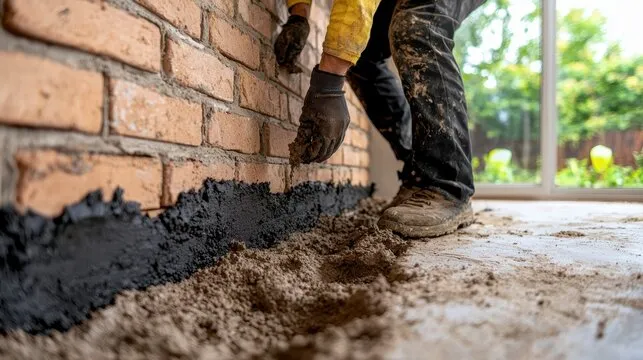
Although concrete appears solid, it naturally contains tiny pores that absorb moisture over time. Continuous water exposure gradually weakens concrete and may lead to cracking or spalling.

Professional water damage Fire damage restoration Carlsbad helps by:

  • Removing excess moisture quickly
  • Drying concrete surfaces
  • Preventing repeated water exposure
  • Identifying vulnerable areas
  • Recommending waterproofing solutions

These preventive measures significantly extend the life of the foundation.

Preventing Mold Around Foundation Areas

Moist environments encourage mold growth in basements, crawl spaces, and lower walls. While mold is often viewed as a health concern, it also signals ongoing moisture problems that may affect the foundation.

Professional water damage services eliminate the moisture that mold needs to grow. This helps maintain healthier indoor air quality while protecting structural components from prolonged dampness.

Addressing Drainage Problems

Improper drainage is one of the leading causes of foundation damage. Restoration professionals often inspect the property's drainage system while assessing water damage.

Potential recommendations include:

  • Cleaning gutters
  • Extending downspouts
  • Improving yard grading
  • Installing French drains
  • Repairing sump pumps
  • Adding waterproof barriers

Better drainage keeps water moving away from the foundation rather than allowing it to pool around the structure.

Preventing Soil Erosion

Heavy water accumulation washes away soil supporting the foundation. As soil erodes, portions of the foundation lose support, increasing the likelihood of settlement and cracking.

Professional restoration minimizes erosion by removing standing water quickly and identifying the source of water intrusion. Early intervention preserves soil stability and protects the entire structure.

Reducing Repair Costs

Foundation repairs are among the most expensive home restoration projects. Small cracks can develop into significant structural failures if moisture problems continue unchecked.

Timely water damage services help homeowners avoid:

  • Major foundation reconstruction
  • Basement wall replacement
  • Floor leveling
  • Structural reinforcement
  • Extensive concrete repairs

Investing in immediate restoration often saves thousands of dollars in future repair expenses.

Early Water Extraction Reduces Soil Saturation

0

Professional water damage restoration focuses not only on immediate cleanup but also on preventing future problems. Restoration experts evaluate the overall condition of the property and recommend improvements that reduce future water risks.

Long-term protection strategies may include:

  • Moisture monitoring
  • Waterproof coatings
  • Foundation inspections
  • Improved ventilation
  • Drainage upgrades
  • Preventive maintenance plans

These proactive measures help preserve structural integrity for years to come.

Early Water Extraction Reduces Soil Saturation

1

Not every cleanup company provides comprehensive structural protection. Homeowners should select experienced professionals who understand both water mitigation and foundation preservation.

Look for companies that offer:

  • 24/7 emergency response
  • Advanced drying equipment
  • Moisture detection technology
  • Certified restoration technicians
  • Detailed damage assessments
  • Preventive recommendations

A knowledgeable restoration team addresses both visible damage and hidden structural risks.

Early Water Extraction Reduces Soil Saturation

2

Water damage affects much more than flooring, drywall, and personal belongings. Left untreated, excess moisture can weaken the soil beneath a property, create hydrostatic pressure, crack concrete, and compromise the foundation's stability. Professional water damage services help prevent these serious problems through rapid water extraction, complete drying, leak detection, drainage improvements, and ongoing moisture control. Acting quickly after any water intrusion protects not only the appearance of a property but also its structural foundation, ensuring a safer, more stable building for years to come.
Home & Kitchen Ideas

How to Tackle Wine and Coffee Stains on Carpets

Posted on June 11, 2026 By AQ No Comments on How to Tackle Wine and Coffee Stains on Carpets

Introduction: The Challenge of Tough Carpet Stains

Wine and coffee spills are among the most common and stubborn carpet stains. Their dark pigments and acidic nature allow them to quickly penetrate carpet fibers, making immediate action essential. If not treated properly, these stains can become permanent, affecting the appearance and cleanliness of your home.

Why Wine and Coffee Stains Are So Difficult

Both wine and coffee contain strong coloring agents known as tannins. These compounds bind quickly to carpet fibers, especially natural materials like wool. The longer a stain sits, the deeper it penetrates, making removal more difficult.

Key reasons they are hard to remove: Carpet Cleaning That Dries In One Hour Princeton NJ.

  • Rapid absorption into fibers
  • High pigmentation levels
  • Chemical bonding with fabric
  • Heat setting (especially coffee stains)

Understanding this helps emphasize the importance of quick action.

Immediate Steps to Take After a Spill

Time is critical when dealing with wine or coffee stains. The faster you act, the higher your chances of complete removal.

Follow these steps:

  • Blot the spill immediately using a clean cloth or paper towel
  • Avoid rubbing, as it spreads the stain
  • Work from the outside toward the center
  • Absorb as much liquid as possible

Quick blotting prevents the stain from sinking deeper into the carpet.

Removing Red Wine Stains Effectively

Red wine stains are notorious for their deep color. One of the most effective home remedies involves salt or baking soda.

Steps to treat wine stains:

  1. Blot excess wine immediately
  2. Sprinkle salt generously over the stain to absorb moisture
  3. Let it sit for 10–15 minutes
  4. Vacuum the dried salt
  5. Apply a mixture of mild dish soap and water
  6. Blot until the stain fades

Another popular method is using white vinegar and water, which helps neutralize the pigment.

Tackling Fresh Coffee Spills

Coffee stains, especially when hot, can quickly set into carpets. Acting fast is essential.

Steps for coffee stain removal:

  • Blot the spill immediately
  • Mix warm water with mild detergent
  • Apply the solution gently using a sponge
  • Blot repeatedly until the stain lifts
  • Rinse with clean water and blot dry

For stubborn stains, adding a small amount of white vinegar can enhance effectiveness.

Using Natural Cleaning Solutions

Natural cleaning methods are safe, affordable, and effective for most carpet stains. Common household items include:

  • Baking soda: Absorbs moisture and neutralizes odors
  • White vinegar: Breaks down stain compounds
  • Hydrogen peroxide: Helps lift deep discoloration (use carefully)
  • Dish soap: Breaks down oils and pigments

Always test any solution on a hidden area before app it to the stain.

When to Use Commercial Stain Removers

If home remedies fail, commercial carpet stain removers may be necessary. These products are specially formulated to break down tough stains without damaging fibers.

Tips for safe use:

  • Follow instructions carefully
  • Avoid over-saturating the carpet
  • Test in an inconspicuous area first
  • Use products designed for your carpet type

Commercial cleaners are especially helpful for older or set-in stains.

Preventing Permanent Stains

Prevention is always better than treatment. A few simple habits can reduce the risk of permanent stains:

  • Use spill-proof cups in carpeted areas
  • Apply carpet protectors or stain-resistant sprays
  • Clean spills immediately
  • Avoid drinking dark beverages over carpets when possible

Protective measures make cleaning easier and reduce long-term damage.

Conclusion: Quick Action Makes All the Difference

Wine and coffee stains can be frustrating, but they are manageable with the right approach. Immediate blotting, proper cleaning solutions, and consistent care can restore your carpet’s appearance. Whether using natural remedies or commercial products, the key is speed and gentle treatment. With the right techniques, even tough stains don’t have to be permanent.

Home & Kitchen Ideas

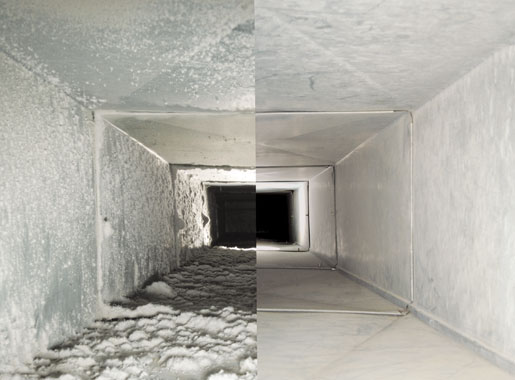
Why Regular Air Duct Cleaning Is Essential for a Healthier Living Environment

Posted on May 16, 2026 By AQ No Comments on Why Regular Air Duct Cleaning Is Essential for a Healthier Living Environment

Indoor air quality plays a major role in overall health and comfort, yet it is often overlooked in everyday home maintenance. One of the most important but least visible factors affecting the air you breathe is your home’s air duct system. Over time, these ducts accumulate dust, allergens, debris, and even harmful microorganisms. This is why regular air duct cleaning is not just a maintenance task—it is an essential step toward creating a healthier living environment.

Air ducts act as the respiratory system of your home. They circulate heated or cooled air from your HVAC system into every room. While this keeps your home comfortable, it also means that whatever is inside the ducts gets distributed throughout your living space. If the ducts are dirty, the air you breathe may also be contaminated. Dust buildup, pet dander, pollen, mold spores, and even insect particles can all settle inside the ductwork and continuously recirculate.

One of the most important benefits of regular air duct cleaning is improved indoor air quality. Many people assume that indoor air is cleaner than outdoor air, but studies have shown that it can often be significantly more polluted. This is especially true in tightly sealed homes where air circulation is limited. When ducts are cleaned regularly, these pollutants are removed before they have a chance to circulate, helping reduce respiratory irritation, allergies, and other health concerns.

For individuals who suffer from asthma or allergies, clean air ducts can make a noticeable difference. Dust mites, mold spores, and pet allergens are common triggers that can worsen symptoms. When HVAC systems run, these particles are constantly pushed into the air, making it difficult for sensitive individuals to find relief. Regular duct cleaning helps reduce these triggers, leading to fewer flare-ups and improved breathing comfort at home.

Another important reason for air duct air duct cleaning is the prevention of mold growth. Moisture can sometimes enter the duct system through humidity, leaks, or condensation. When combined with dust and debris, this creates an ideal environment for mold to grow. Mold spores can spread quickly through air circulation and pose serious health risks, including respiratory infections and allergic reactions. Professional cleaning helps identify and remove mold before it becomes a larger problem.

Air duct cleaning also contributes to a more efficient HVAC system. When dust and debris build up inside the ductwork, airflow becomes restricted. This forces the heating and cooling system to work harder to maintain the desired temperature. As a result, energy consumption increases, leading to higher utility bills. A clean duct system allows air to flow freely, improving efficiency and reducing strain on the HVAC unit. Over time, this can also extend the lifespan of your heating and cooling equipment, saving money on repairs and replacements.

Odor control is another often-overlooked benefit. Over time, air ducts can trap unpleasant smells from cooking, pets, cleaning chemicals, or smoke. These odors become embedded in dust particles and are continuously circulated throughout the home. Regular cleaning helps eliminate these trapped particles, leaving your indoor environment fresher and more pleasant.

It is also important to consider how air ducts affect overall cleanliness in the home. If ducts are filled with dust, that dust will eventually settle on furniture, floors, and surfaces no matter how often you clean. This creates a cycle where cleaning feels ineffective. By removing dust at the source, you reduce the amount of cleaning required in other areas of the home and maintain a more consistently clean environment.

While some homeowners may attempt DIY duct cleaning, professional services are generally recommended for thorough results. Experts use specialized tools and equipment to reach deep into the duct system, ensuring that all contaminants are properly removed. They can also inspect the system for leaks, damage, or mold growth that might otherwise go unnoticed.

In conclusion, regular air duct cleaning is a crucial part of maintaining a healthy and comfortable home. It improves indoor air quality, supports respiratory health, prevents mold growth, enhances HVAC efficiency, and reduces household dust and odors. By investing in routine maintenance, homeowners can create a safer, cleaner, and more energy-efficient living environment for themselves and their families.

Home & Kitchen Ideas

Crack Repair Restoring Strength  Safety  and Peace of Mind

Posted on May 5, 2026May 5, 2026 By AQ No Comments on Crack Repair Restoring Strength  Safety  and Peace of Mind


Cracks may seem like small imperfections at first glance, but they often tell a deeper story about stress, wear, and structural vulnerability. Whether appearing in walls, ceilings, concrete floors, or driveways, cracks can compromise both the aesthetics and integrity of a structure. Understanding how to properly repair them is essential—not just for appearance, but for long-term safety and durability.


Understanding Why Cracks Occur

Before jumping into repair methods, it’s important to understand why cracks form in the first place. Not all cracks are created equal, and their causes can vary widely.

Natural Settling of Structures

Over time, buildings naturally settle into the ground. This process can create small, hairline cracks, especially around doors, windows, and corners. While these are usually harmless, they still require attention to prevent them from worsening.

Temperature and Moisture Changes

Materials like concrete and plaster expand and contract with temperature fluctuations. Similarly, excess moisture or dryness can lead to swelling or shrinkage. These movements often result in visible cracks, particularly in exterior surfaces.

Poor Construction Practices

Sometimes cracks are a direct result of subpar workmanship or low-quality materials. Improper curing of concrete, inadequate reinforcement, or rushed finishing can all lead to early cracking.

Structural Issues

Larger or widening cracks may signal serious structural problems such as foundation shifts or load-bearing failures. These should never be ignored and often require professional evaluation.

Types of Cracks You May Encounter

Identifying the type of crack helps determine the best repair method.

Hairline Cracks

These are thin, shallow cracks commonly found in plaster or drywall. They are mostly cosmetic but should still be sealed to prevent dust and moisture intrusion.

Shrinkage Cracks

Typically seen in concrete, these occur when water evaporates too quickly during curing. They are usually uniform and not structurally dangerous.

Settlement Cracks

These cracks often appear vertically and are caused by uneven settling of the foundation. Monitoring their size over time is important.

Structural Cracks

Wide, jagged, or diagonal cracks may indicate serious issues. If they grow over time, they demand immediate professional attention.

Tools and Materials for Crack Repair

Repairing cracks doesn’t always require heavy machinery, but having the right tools makes all the difference. Common materials include:

  • Crack fillers or sealants

  • Epoxy or polyurethane injections

  • Putty knives and trowels

  • Sandpaper

  • Wire brushes for cleaning debris

The choice of material depends on the surface and severity of the crack.

Step-by-Step Crack Repair Process

Step 1: Clean the Area

Remove dust, loose particles, and debris from the crack. A clean surface ensures better adhesion of repair materials.

Step 2: Widen the Crack Slightly

For better bonding, slightly widen narrow cracks using a tool. This may sound counterintuitive, but it helps the filler penetrate more effectively.

Step 3: Apply the Filler

Use an appropriate filler based on the crack type. For small cracks, a simple sealant may suffice. For deeper or structural cracks, epoxy injections provide stronger reinforcement.

Step 4: Smooth and Finish

Once filled, smooth the surface using a trowel or putty knife. After drying, sand the area to achieve a seamless finish.

Step 5: Paint or Seal

To restore the appearance, repaint or apply a sealant over the repaired area. This also adds an extra layer of protection against future damage.

Preventing Future Cracks

Repairing cracks is only half the job—preventing them from reappearing is equally important.

Maintain Proper Drainage

Water accumulation near foundations can weaken the soil and cause shifting. Ensure proper drainage systems are in place.

Control Moisture Levels

Use dehumidifiers or proper ventilation to maintain balanced indoor humidity levels.

Use Quality Materials

When constructing or renovating, invest in high-quality materials and skilled workmanship to reduce the likelihood of cracks.

Regular Inspections

Routine checks can help identify early signs of cracking, allowing for timely repairs before the issue escalates.

When to Call a Professional

While many minor crack repair can be repaired with DIY methods, some situations require expert intervention. If you notice cracks that are widening, accompanied by doors sticking, uneven floors, or water leakage, it’s best to consult a structural specialist. Ignoring such signs can lead to costly repairs and safety hazards down the line.

Final Thoughts

Crack repair is more than just a cosmetic fix—it’s an essential part of maintaining the health and safety of any structure. By understanding the causes, identifying the types, and app the right repair techniques, you can effectively restore both the appearance and strength of your property. A proactive approach not only saves money but also ensures peace of mind, knowing your space is secure and well-maintained.

Home & Kitchen Ideas

Reimagine Your Space How AI Interior Design Turns Ideas into Rooms You Love

Posted on April 25, 2026May 12, 2026 By Zarobora2111 No Comments on Reimagine Your Space How AI Interior Design Turns Ideas into Rooms You Love

The New Design Toolkit: What AI Brings to Interior Design

The way homes are planned, styled, and refreshed is evolving fast. Digital tools can now analyze a photo of your room, understand its layout, and propose complete design concepts in seconds. This shift doesn’t replace creative vision—it supercharges it. With smart algorithms trained on thousands of stylistic patterns, color harmonies, and furniture arrangements, homeowners and professionals can explore more ideas, more quickly, and with clearer visual confidence before spending on materials or furnishings.

Speed and iteration are two of the biggest wins. Instead of waiting days for sketches or mood boards, you can generate multiple high-quality directions almost instantly and compare them side by side. That makes it easier to test bolder palettes, try on-trend looks like Urban Modern or Mid-Century Modern, and even blend inspirations into cohesive hybrids. Want the clean warmth of Scandinavian with a touch of Rustic texture? Run variations until the results feel just right. The process is playful, efficient, and deeply practical for narrowing choices.

Another advantage is clarity. Photorealistic concept images help you “see” how wall colors, lighting, and layout adjustments may transform your space. This is especially useful for small apartments, awkward floor plans, or rooms with limited natural light where mistakes are costly. With concept renderings, you can preview whether a soft Mediterranean palette brightens the room, or if a Tuscan-inspired texture adds the depth you crave. Design confidence grows when you can visualize different paths with accuracy.

There’s also new accessibility. More people can participate meaningfully in their own projects because the creative jump—from idea to image—now happens in seconds. And with straightforward, one-time pricing structures, you can experiment without committing to monthly subscriptions or lengthy contracts. Tools like AI interior design make it simple to upload a photo, set a style direction, and receive concepts you can download, save, and share with family, roommates, or contractors. Whether you gravitate to Contemporary minimalism, French Country elegance, or an Urban Jungle vibe, an expanded palette of styles becomes easy to try, fine-tune, and customize for your space and personality.

From Snapshot to Styled Room: A Step-by-Step Look at an AI-Powered Workflow

Great results start with a clear snapshot of your current room. Take a well-lit photo that captures the key angles you care about—main seating, sightlines, or problem corners—and avoid clutter that might distract from the core layout. Next, define your goals. Are you upgrading for comfort, resale, or a refreshed aesthetic? Do you need smarter storage, stronger lighting, or simply a new color story? Writing a quick wish list refines the prompts you’ll use when generating concepts.

Style and palette selection come next. Consider what resonates with your lifestyle and architecture: the crisp lines of Contemporary, the nature-forward calm of Scandinavian, the sun-washed character of Mediterranean, or the layered tradition of Tuscan and French Country. If you live in a compact city apartment, an Urban Modern approach can optimize space and flow; for nature lovers, an Urban Jungle look brings biophilic textures and lush greens. Select a few directions to explore, then generate multiple variations so you can compare how each version handles layout, finishes, and furnishing scale.

As you review concepts, look for functional insights as much as aesthetics. Notice how furniture is grouped to create conversation zones, how lighting layers (ambient, task, accent) lift the mood, and where visual anchors—like a rug or statement art—help define the room. Pay attention to scale: Do the pieces feel proportional to your walls, windows, and ceiling height? Are circulation paths clear? Keep a notepad of details that work, from the height of the coffee table to the color temperature of fixtures, and incorporate those into the next round of generations.

Iteration is your friend. Regenerating designs with slightly different prompts—warmer wood tones, a calmer palette, or added texture—reveals how small changes drive big impact. When you find a direction you love, save images and export them to share with family or a contractor. For a smoother path from concept to cart, break the final look into actionable layers: walls and lighting first, primary furniture next, and styling (textiles, art, greenery) last. This sequence simplifies budgeting and reduces decision fatigue. The end result is a plan that balances creativity and practicality, visualized clearly before any purchase is made.

Real-World Scenarios: Quick Wins for Homeowners, Renters, and Design Pros

For homeowners, the most valuable outcome is confidence. Imagine a living room that always felt “almost right” but never quite clicked. By uploading a photo and testing several directions—say, a light Scandinavian base with Rustic accents versus a Mid-Century Modern set of silhouettes—you can quickly see which path makes the room feel bigger, calmer, or more connected. Maybe the winning concept swaps a bulky sectional for two streamlined sofas, introduces a lower-profile media console, and recommends a textured rug to ground the layout. That’s not just a pretty picture; it’s a practical shopping list and a cohesive plan.

Renters benefit from reversible ideas. AI-generated concepts can prioritize paint-free transformations, such as peel-and-stick wallpaper, freestanding shelving, and layered lighting that doesn’t require rewiring. In a studio, a Mediterranean-inspired color scheme with airy textiles may visually “zone” the sleep and lounge areas, while strategic mirrors and a lighter palette open the room. For a small urban kitchen, a Contemporary concept might suggest compact bistro seating, matte finishes to hide wear, and under-cabinet task lighting to improve everyday function—each solution easily implemented without permanent alterations.

Hosts and property investors can use these tools for fast, on-brand staging. A short-term rental, for example, may need a distinctive identity to stand out in search results. Testing a French Country palette with layered linens against an Urban Modern scheme with graphic contrasts helps you understand which look photographs best and appeals to your target guest. Because visuals are generated in seconds, you can adapt quickly to market feedback, refreshing rooms seasonally or tuning the style to resonate with business travelers, families, or couples.

Design professionals also find value in rapid concept exploration and client alignment. Early in a project, presenting multiple photoreal directions accelerates decision-making and reduces revisions. When a client says “cozy but uncluttered,” a set of images that interprets “cozy” in Scandinavian, Rustic, and Urban Jungle variations clarifies the brief far more efficiently than a verbal exchange. From there, the designer filters selections, specifies real materials, and adds custom details that elevate the space. In every scenario, the blend of human vision and intelligent visualization tools creates a workflow that’s both artful and agile.

To get the most from these capabilities, keep a few best practices in mind. Use high-quality room photos. Be precise with prompts—mention color temperatures, materials, and lifestyle details like pets or kids. Iterate in small steps so you can track which changes improve the concept. And apply design fundamentals as a sanity check: consistent sightlines, balanced symmetry versus asymmetry, coherent color stories, and purposeful lighting. When used with intention, AI-powered design becomes a trusted companion that elevates taste, sharpens choices, and turns inspiration into rooms that feel uniquely yours.

Blog

Home & Kitchen Ideas

Posts pagination

Previous 1 2 3 4 … 8 Next

Dynamic Blogroll & Sidebar

Version:1.0.47เช่ารถอุดร

Recent Posts

  • Unlocking the Brave New Era of Business Phone Systems
  • Decoding IHATEC Edu’s Hidden Algorithms
  • Wood & Company: A Trusted Name Built on Quality, Integrity, and Long-Term Vision
  • Unraveling the Quantum Quirks of LED Volume Stage
  • A Closer Look at How Frost Stars Aid in Whiteout Survival

Recent Comments

  1. A WordPress Commenter on Hello world!

Copyright © 2026 .

Powered by PressBook Blog WordPress theme