
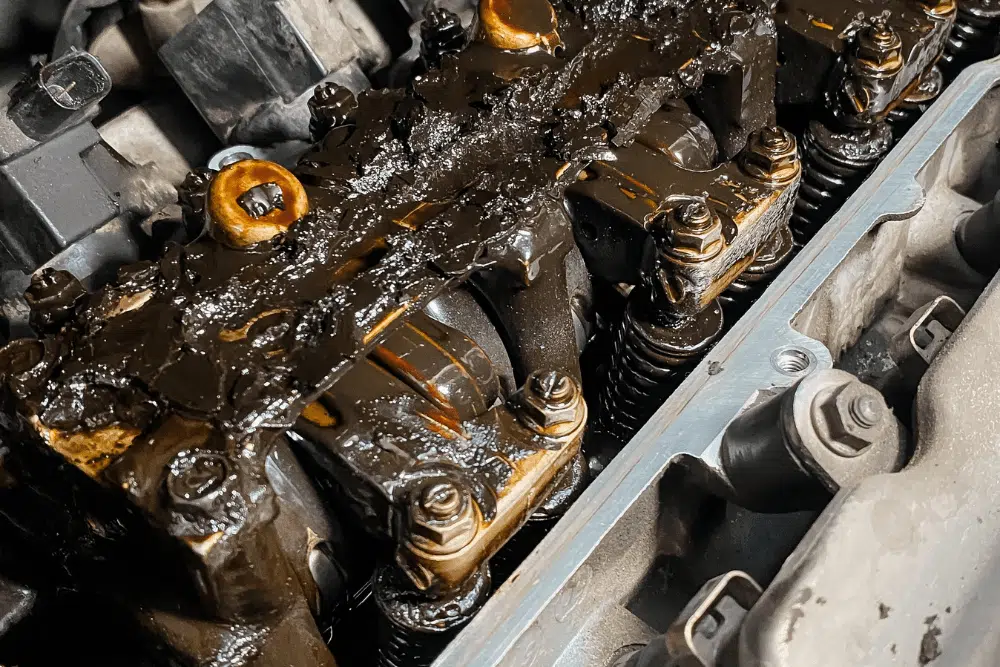
As a car owner, you may not think about engine sludge—at least not until you start noticing symptoms of reduced engine performance or efficiency. However, engine sludge is one of the most common yet often overlooked problems that can lead to costly repairs and reduced engine life. In Collinsville, IL, vehicle owners often find themselves asking whether engine sludge cleaning is necessary and what it involves. If you’ve noticed a decrease in engine performance, unusual engine noises, or a rising oil consumption rate, it may be time to consider engine sludge cleaning to restore your vehicle’s power and reliability.
In this article, we’ll discuss what engine sludge is, how it affects your vehicle, and why engine sludge cleaning in Collinsville, IL, is an essential service to keep your car running smoothly.
What Is Engine Sludge?
Engine sludge is a thick, sticky substance that accumulates over time inside your vehicle’s engine. It forms when motor oil breaks down due to heat, pressure, and contaminants over time. Motor oil is responsible for lubricating the engine’s moving parts, ensuring smooth operation and minimizing wear and tear. However, as the oil circulates through the engine, it collects dirt, debris, and other contaminants. Eventually, if the oil is not changed regularly or if it becomes contaminated, these particles can begin to clump together, forming sludge.
There are several causes for the formation of engine sludge, including:
-
Neglecting regular oil changes: Over time, used oil loses its ability to clean and lubricate effectively, leading to sludge buildup.
-
Using low-quality oil: Inferior oil or oils with improper viscosity can break down quickly, contributing to sludge formation.
-
Driving conditions: Short trips or frequent stop-and-go driving can prevent the oil from reaching the necessary temperature to circulate properly and clean the engine.
-
Engine overheating: Excessive heat can cause oil to degrade faster and promote sludge buildup.
While some sludge buildup is inevitable over the life of your vehicle, excessive sludge can lead to serious engine damage. If left untreated, engine sludge can clog oil passages, decrease engine lubrication, and even cause components to seize up.
How Does Engine Sludge Affect Your Vehicle?
Engine sludge doesn’t just make your engine look dirty—it can have a profound impact on your car’s overall performance and longevity. Below are some ways that engine sludge can affect your vehicle:
1. Poor Engine Lubrication
When sludge builds up in the engine, it can obstruct the flow of oil to vital components like the pistons, crankshaft, and camshaft. Without proper lubrication, these parts can experience increased friction and wear, which can lead to premature engine failure.
2. Increased Oil Consumption
Engine sludge can cause your engine to burn oil faster than normal. As sludge clogs the oil passages, the oil’s ability to lubricate the engine is reduced, meaning the engine will require more oil to keep running smoothly. This can lead to more frequent oil top-ups and, ultimately, higher maintenance costs.
3. Overheating
Sludge buildup can contribute to engine overheating. If the oil isn’t circulating properly, the engine won’t be adequately cooled, leading to excessive temperatures and potential damage to the engine components.
4. Decreased Fuel Efficiency
A sluggish engine due to the buildup of sludge can lead to reduced fuel efficiency. The engine has to work harder to perform basic tasks, which can result in lower miles per gallon and higher fuel costs.
5. Expensive Repairs
As engine sludge continues to accumulate, it can cause permanent damage to critical components like the oil pump, valve lifters, or even the engine block itself. Over time, this can lead to expensive repairs or, in the worst-case scenario, a full engine replacement.
Why Engine Sludge Cleaning Is Crucial
Engine sludge cleaning in Collinsville, IL is essential for restoring your engine’s health, improving performance, and preventing costly repairs. Here’s why:
1. Restores Proper Lubrication
When you clean out engine sludge, you’re essentially restoring proper oil flow throughout the engine. This ensures that the engine components are adequately lubricated, minimizing wear and preventing further damage.
2. Improves Engine Performance
Removing the sludge buildup can make your engine sludge cleaning Collinsville IL run smoother and more efficiently. You’ll notice improved acceleration, better responsiveness, and quieter operation. This can be especially noticeable if your car has been sluggish or struggling to reach optimal speeds.
3. Reduces Oil Consumption
By cleaning the engine and removing sludge, oil can circulate more effectively, reducing the need for frequent oil changes or top-offs. This can save you money in the long run by extending the life of the oil and improving your vehicle’s overall efficiency.
4. Prevents Overheating
With proper oil circulation and fewer blockages, your engine will have a much lower risk of overheating. By removing the sludge, you help regulate engine temperatures, preventing heat buildup and the potential for overheating-related issues.
5. Prevents Expensive Engine Damage
The biggest benefit of engine sludge cleaning is that it prevents costly engine repairs. By cleaning the sludge before it causes permanent damage, you can avoid more serious issues like seized engine components or total engine failure.
The Engine Sludge Cleaning Process in Collinsville, IL
If you’re wondering how engine sludge cleaning is done in Collinsville, IL, the process is relatively straightforward but requires specialized tools and expertise. Here’s what you can expect during an engine sludge cleaning service:
1. Diagnostic Assessment
Before performing any work, a trusted mechanic will perform an initial diagnostic test to check for engine sludge buildup and confirm the cause of any engine performance issues. The mechanic will also assess the overall condition of your engine and determine if any additional repairs are needed.
2. Oil Drain and Flush
Once the diagnosis is complete, the mechanic will drain the old oil and flush the engine to remove any sludge. This is done using specialized engine flush chemicals that break down the sludge and allow it to be expelled from the system. This step helps clean out all the sludge buildup, dirt, and debris that have accumulated over time.
3. New Oil and Oil Filter
After the flush is completed, the mechanic will refill the engine with fresh, high-quality oil and replace the oil filter. This ensures that the engine is properly lubricated and ready to perform at its best.
4. Test Run and Final Check
Once the cleaning is complete, the mechanic will start the engine and perform a test run to ensure everything is running smoothly. They will also check for any leaks or unusual noises that may indicate a deeper issue.
Preventing Engine Sludge Buildup
Once you’ve had your engine cleaned, it’s important to take steps to prevent future sludge buildup. Here are a few tips to keep your engine running clean:
-
Change your oil regularly: Follow the manufacturer’s recommended oil change intervals to keep oil fresh and effective.
-
Use high-quality oil: Opt for premium motor oils that can resist breaking down under high heat.
-
Drive your car regularly: Avoid short trips or frequent stop-and-go driving, which can contribute to sludge buildup.
-
Check for leaks: Regularly check your car’s oil level and look for leaks to ensure the system is functioning properly.
Conclusion
Engine sludge can have a significant impact on your vehicle’s performance, efficiency, and longevity. If you’re in Collinsville, IL, and you’ve noticed signs like increased oil consumption, engine misfires, or poor acceleration, it’s time to consider engine sludge cleaning. This service can restore proper engine lubrication, improve performance, and prevent costly repairs.
By staying proactive with routine maintenance, including regular oil changes and occasional engine sludge cleaning, you can keep your engine in optimal condition and ensure your car runs smoothly for years to come.