
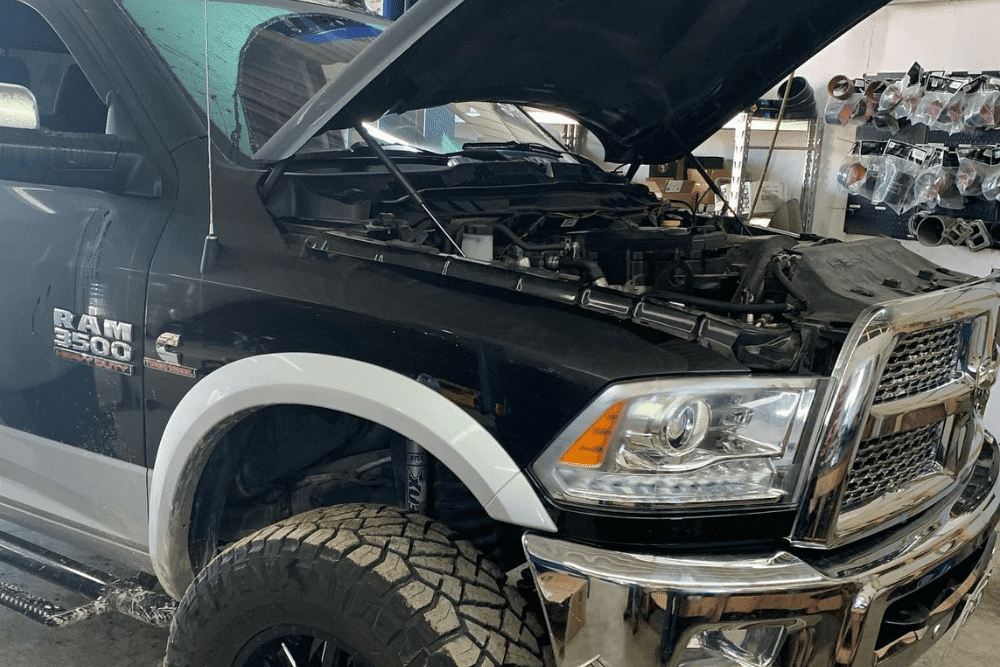
There s nothing quite like the world power and dependability of a diesel engine . From heavily-duty trucks to construction and even boats, diesel motor engines are the spine of many industries. However, there’s one squeeze that every diesel how heat affects diesel engines engine dreads: heat. While engines are designed to give world power, they also yield a lot of heat, and when that heat becomes too much to wield, problems can speedily come up. If you ve ever been on the road when your overheats, you know that it’s not just a child inconvenience it s a serious issue that can lead to costly repairs. So, what s the between diesel engines and heat, and how can you keep overheating before it becomes a Major cephalalgia?
Understanding the Heat Problem in Diesel Engines
Diesel engines, by nature, run hot. The work on of combustion in a diesel engine engine relies on highly compressed air, which is then lit by the heat generated by the , rather than a touch of. This means that diesel engine engines operate at high temperatures compared to petrol engines. While this is important for fuel and world power, it also places a lot of strain on components, particularly the cooling system of rules.
The cooling system system, which includes the radiator, irrigate pump, thermoregulator, and , is causative for managing the s temperature and preventing overheating. In an nonsuch earth, the cooling system system of rules keeps the at the hone temperature. But as the mercury rises in the summertime months or under heavy load conditions, the cooling system system can sometimes struggle to keep up, and that s when things start to get chancy.
The Risks of Overheating: What Happens Inside the Engine?
Heat is to a diesel engine what salt is to food it s an requisite ingredient, but too much can ruin the whole matter. Here s a closer look at what happens when heat pushes your beyond its limits:
1. Oil Breakdown and Loss of Lubrication
Diesel engines rely to a great extent on motor oil to keep things track smoothly. Oil acts as a lubricating substance, preventing metal parts from grinding against each other and causing wear and tear. But as the temperature rises, the oil starts to thin out, losing its viscousness and its ability to the right way lube the engine.
This loss of lubrication can cause friction between the engine s moving parts, leading to overheating of the metallic element components. The lead? Premature wear, high chances of engine failure, and an overall drop in performance. In some cases, the oil can wear away down to the place where it becomes ineffectual, exploding the risk of a ruinous breakdown.
2. Warped Parts and Gasket Failure
Heat can cause more than just oil partitioning; it can also physically damage components. Diesel engines have parts like the head, pistons, and gaskets that are made to withstand pure hale and high temperatures. However, undue heat can cause these parts to expand and warp. When this happens, the seals between these components fail, leadership to reduced compression and even leaks.
One of the most commons failures caused by heat is the gasket. Gaskets are premeditated to produce a seal between the lug and cylinder head. But when they re exposed to inordinate heat, they can deteriorate, crack, or even melt. This can lead to coolant and oil mix, which creates a mess inside your and importantly reduces its life-time.
3. Fuel System Problems
The diesel engine fuel system is also weak to extreme point temperatures. Diesel fuel is sensitive to heat, and when it reaches high temperatures, it can take down more chop-chop, reduction its . In intense cases, the heat can cause the fuel to vaporize, leadership to poor and a minify in overall public presentation.
Fuel injectors, which are causative for delivering a precise come of fuel into the combustion , can also get when exposed to high temperatures. Over time, heat can cause the injectors to clog or malfunction, leading to poor fuel delivery, rough out idling, and a drop in fuel efficiency.
4. Cooling System Failure
Perhaps the most self-explanatory and immediate touch on of heat is a failure in the cooling system of rules. The radiator, hoses, and work together to keep the engine from overheating. However, if any of these components become disreputable, clogged, or worn out, the cooling system can t perform at its best.
A haywire radiator, for example, will have inconvenience oneself dissipating the heat generated by the . If the coolant isn t circulating decent, the engine temperature will rise dangerously. A lack of or a discredited water pump can also lead to overheating, causation the to overheat apace and forcing the to pull over.
Recognizing the Signs of Overheating
You might not always mark when your is start to overheat, but there are a few signs that can help you spot the problem early on:
High Temperature Gauge: The most open-and-shut index is the temperature estimate on your splasher. If it moves into the red zone, the engine is too hot, and you need to take litigate instantly.
Warning Lights: Many diesel engine engines come with word of advice lights that trigger when the engine temperature is too high. Pay attention to these lights, and don t disregard them they re there to protect your .
Reduced Power and Performance: Overheating can cause your engine to lose power. If you mark your engine stuttering, hesitant, or track rough in, it could be a sign that heat is taking its toll.
Steam or Smoke: In extreme cases, you may see steam or fume ascent from the hood of your fomite. This is often a sign that the is overheating, and coolant may be boiling over.
How to Prevent Heat Damage to Your Diesel Engine
The good news is that you can take proactive steps to prevent your engine from falling dupe to overheating. Here s what you can do:
1. Regularly Maintain the Cooling System
Keeping your s cooling system of rules in top shape is the best refutation against overheating. Check the radiator, hoses, and belts for any signs of wear or damage. Make sure to sluice and supervene upon the coolant sporadically to keep buildup and ascertain that the system of rules operates expeditiously.
2. Monitor Fluid Levels and Quality
Ensure that your oil and levels are topped up and that the fluids are in good . Old or contaminated oil can break up down under heat, leading to poor lubrication and enhanced wear. Similarly, low levels can cause the to overheat speedily. Always keep an eye on the changeable levels and supervene upon them when necessary.
3. Avoid Overloading the Engine
Diesel engines are powerful, but they still have their limits. Overloading the engine, whether by carrying heavy piles or towing too much, forces it to work harder and run hotter. If you need to tow or heavy heaps, make sure to take breaks and give your engine time to cool off.
4. Keep an Eye on the Temperature Gauge
Always pay tending to the temperature underestimate while , especially in hot brave out. If you note the temperature rising, take a break away and let the cool down. If the temperature continues to climb, pull over in real time to prevent irreversible damage.
Final Thoughts
Heat may be a natural byproduct of the diesel engine s superpowe, but too much of it can be a killer. Overheating can cause serious damage to indispensable components, leadership to costly repairs and . By staying on top of your cooling system of rules, monitoring unstable levels, and avoiding engine overload, you can protect your diesel engine engine from the destructive effects of excessive heat. So next time you hit the road on a hot day, think of: keeping your engine cool could save you a lot more than just a few degrees.