
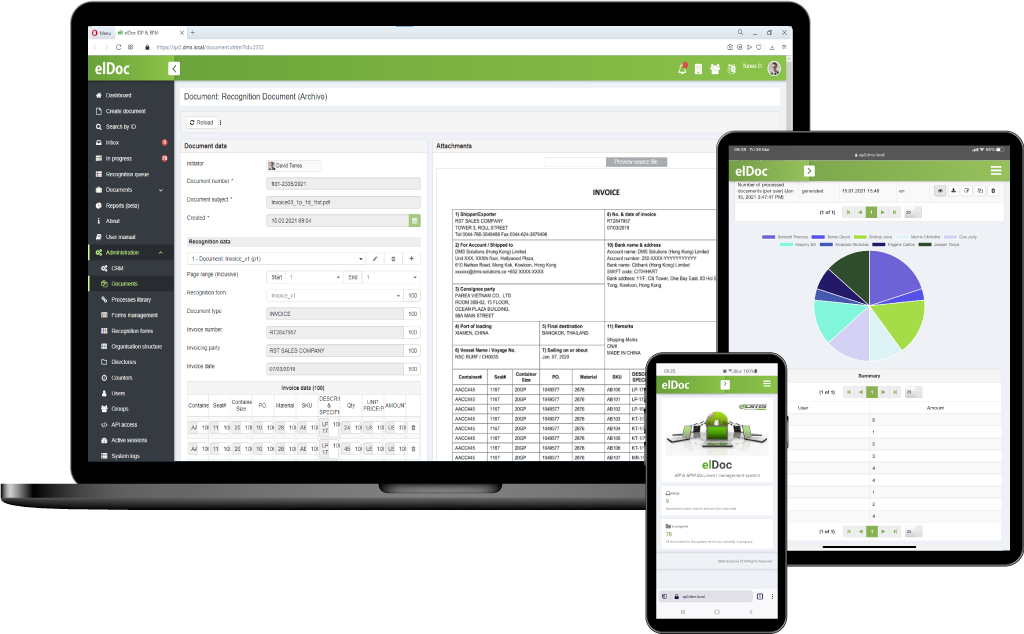
In today’s digital-first workplace, managing documents securely while keeping them easily accessible has become a top priority for businesses, educators, and individuals. Traditional file storage systems often struggle with limitations such as data loss, unauthorized access, and poor collaboration capabilities. Online document tools have emerged as a powerful solution, offering advanced security measures combined with seamless accessibility from anywhere in the world. These tools are reshaping how information is stored, shared, and protected.
Stronger Security Through Cloud Encryption
One of the most important advantages of online document tools is encryption. Most modern platforms use end-to-end encryption or at least server-side encryption to ensure that documents remain protected both during transfer and storage. This means that even if data is intercepted, it cannot be read without proper authorization keys.
In addition, many platforms use AES-256 encryption, a military-grade standard widely trusted across industries. This ensures that sensitive business documents, financial records, and personal files remain secure from cyber threats.
Multi-Factor Authentication for Extra Protection
Another key security enhancement is multi-factor authentication (MFA). Instead of re solely on passwords, online document tools often require users to verify their identity through multiple steps such as SMS codes, authentication apps, or email confirmations. This significantly reduces the risk of unauthorized access, even if login credentials are compromised.
For organizations handling confidential data, MFA is no longer optional—it is a necessity. 1099 generator free.
Role-Based Access Control
Online document tools also provide advanced permission settings through role-based access control (RBAC). This allows administrators to decide who can view, edit, comment on, or share a document. For example, an employee may only be allowed to view a report without editing it, while managers have full control.
This granular access system prevents accidental changes and ensures sensitive information is only visible to authorized users. It also improves accountability within teams.
Automatic Backups and Version History
Data loss is a major concern in traditional document management systems. Online tools solve this problem by offering automatic cloud backups and version history tracking.
Every change made to a document is saved, allowing users to revert to previous versions if needed. This protects against accidental deletions, unwanted edits, or even cyberattacks such as ransomware. Even if a file is corrupted or mistakenly modified, it can be restored instantly.
Accessibility From Anywhere, Anytime
Beyond security, accessibility is another major advantage of online document tools. Since documents are stored in the cloud, users can access them from any device with an internet connection—whether it’s a laptop, smartphone, or tablet.
This flexibility is especially important for remote teams and global businesses. Employees no longer need to be physically present in the office to collaborate or retrieve important files. This improves productivity and ensures continuous workflow regardless of location.
Real-Time Collaboration Features
Online document platforms allow multiple users to work on the same document simultaneously. Changes appear in real time, eliminating the need for sending multiple file versions back and forth.
Features such as live commenting, editing suggestions, and chat integration make collaboration more efficient and transparent. This accessibility ensures that teams remain aligned, even when working across different time zones.
Integration With Other Tools
Modern online document systems integrate seamlessly with other productivity tools such as project management apps, cloud storage platforms, and communication software. This interconnected ecosystem improves accessibility by allowing users to move between tasks without losing context.
For example, a document stored in a cloud platform can be directly linked to a project task or shared in a team chat without downloading it manually.
Disaster Recovery and Reliability
Unlike local storage systems that are vulnerable to hardware failure, online document tools provide high-level disaster recovery solutions. Cloud servers are distributed across multiple locations, ensuring that data remains safe even in the event of system failure or natural disasters.
This reliability gives users confidence that their documents are always available when needed.
Conclusion
Online document tools have transformed the way we manage information by combining strong security features with unmatched accessibility. From encryption and multi-factor authentication to real-time collaboration and cloud backups, these platforms provide a complete solution for modern document management. As businesses continue to embrace digital transformation, the importance of secure and accessible document systems will only continue to grow.