Skip to content

  • Home
  • About Us
  • Privacy Policy
  • Terms & Conditions
  • Contact Us
  • Toggle search form

Category: Arts & Entertainments

Engine Repair vs. Replacement in Baton Rouge Key Factors to Consider

Posted on July 19, 2025 By AQ No Comments on Engine Repair vs. Replacement in Baton Rouge Key Factors to Consider

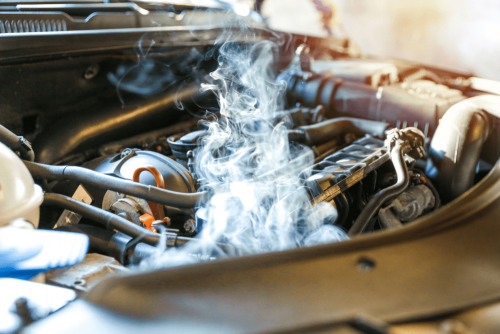
For many Baton Rouge drivers, their vehicle is more than just transportation—it’s an essential part of daily life, whether commuting through busy streets or exploring Louisiana’s scenic backroads. So when your engine starts acting up, deciding between engine repair or replacement can be stressful and overwhelming.

This decision involves many factors, including the severity of the engine’s issues, your budget, vehicle condition, and long-term goals. Understanding these key factors can help you make an informed choice that keeps your car running safely and efficiently for years to come.

1. Assess the Severity of Engine Problems

The first and most crucial factor is understanding the extent of the damage to your engine. Some problems are minor and easily repairable, while others indicate a catastrophic failure that warrants replacement.

Common engine problems and their typical solutions include:

  • Minor Repairs: Oil leaks, worn belts, faulty sensors, or damaged gaskets usually require repairs rather than full replacement.

  • Moderate Damage: Issues like a blown head gasket, damaged pistons, or timing chain failure may require extensive repairs but can often be fixed without replacing the entire engine.

  • Severe Damage: Cracked engine blocks, seized engines, or extensive internal damage often mean replacement is the safer and more cost-effective option.

A certified mechanic in Baton Rouge can perform a detailed diagnostic to pinpoint the problem and help you weigh the pros and cons of repair vs. replacement.

2. Consider Your Vehicle’s Age and Mileage

Your vehicle’s age and mileage play a significant role in deciding between engine repair and replacement.

  • Low Mileage or Newer Vehicles: If your vehicle is relatively new or has low mileage, repairing the engine is usually preferable. Repairs can extend your car’s life and preserve its resale value.

  • High Mileage or Older Vehicles: For older vehicles with high mileage, replacement may be more practical, especially if the engine has multiple wear-related problems. Investing in a replacement engine can breathe new life into an aging car and avoid frequent repairs.

In Baton Rouge, where hot summers and stop-and-go traffic can take a toll on engines, factoring in how much life your vehicle has left is essential.

3. Evaluate the Cost of Repair vs. Replacement

Cost is often the deciding factor. Here’s what you should know:

  • Engine Repair Costs: Repairs typically range from a few hundred dollars for minor fixes to a few thousand for major repairs like gasket replacements or piston repairs.

  • Engine Replacement Costs: Replacing an engine can cost anywhere from $3,000 to $7,000 or more, depending on whether the replacement is new, remanufactured, or used.

While replacement is more expensive upfront, it might save you money in the long run if your current engine is prone to repeated failures. Comparing quotes from trusted local mechanics like Cantrell Service Center can help you get a clear picture of what’s most cost-effective.

4. Think About Your Long-Term Plans

Are you planning to keep your car for several more years, or are you considering trading it in soon?

  • If you plan to keep your vehicle long-term, investing in a replacement engine may provide better reliability and peace of mind.

  • If you’re likely to sell or trade your car soon, repairing the engine might be a more economical choice.

Knowing your future plans helps balance repair costs with potential resale value.

5. Factor in Baton Rouge’s Driving Conditions

Baton Rouge’s climate and traffic patterns can influence engine wear and repair needs:

  • Hot and Humid Climate: High temperatures and humidity increase engine stress and cooling system demands. Overheating issues can lead to serious engine repair vs replacement Baton Rouge damage if not addressed promptly.

  • Traffic Congestion: Frequent stop-and-go traffic in Baton Rouge causes additional wear on engines and transmissions, potentially accelerating problems.

  • Flooding Risks: Occasional flooding and wet conditions can introduce water damage to the engine or electrical components.

Choosing a local mechanic familiar with these factors, like Cantrell Service Center, ensures your engine is assessed with Baton Rouge conditions in mind.

6. Warranty and Quality of Replacement Engines

If considering replacement, it’s important to understand your options:

  • New Engines: Offer the highest reliability and come with full manufacturer warranties but are the most expensive.

  • Remanufactured Engines: Rebuilt to original specs and usually come with good warranties, offering a balance between cost and reliability.

  • Used Engines: More affordable but often come with limited or no warranty and uncertain history.

Discuss these options with your mechanic to find the best fit for your budget and vehicle.

7. The Importance of Working with Trusted Local Professionals

Engine repair or replacement is a major investment, so trust is paramount. Choosing a reputable, experienced shop like Cantrell Service Center in Baton Rouge ensures:

  • Accurate diagnostics

  • Honest, transparent pricing

  • Quality workmanship

  • Use of OEM or high-quality parts

  • Reliable warranties

Local experts understand the unique challenges Baton Rouge drivers face and tailor their services accordingly.

Final Thoughts

Choosing between engine repair and replacement isn’t always straightforward. It depends on multiple factors like damage severity, vehicle age, cost, and your personal plans. Baton Rouge drivers benefit most by working with certified technicians who provide detailed diagnostics and honest advice.

If you’re facing engine trouble, don’t delay. Contact Cantrell Service Center for a comprehensive evaluation and professional guidance. With their expertise, you can make an informed, confident decision that keeps you safely on the road for years to come.

Arts & Entertainments

The Complete Guide to Air Conditioning Cleaning for a Healthier Home

Posted on July 19, 2025 By AQ No Comments on The Complete Guide to Air Conditioning Cleaning for a Healthier Home

To maintain a healthy living space, regular air conditioning cleaning is essential. By guaranteeing your AC system is free of dust and pollutants, you can greatly enhance indoor air quality. But what specific steps should you take to achieve this? How can you make sure that your cleaning efforts are effective and thorough? Stay tuned as we explore the detailed guide to air conditioning cleaning for a healthier home and discover practical tips to enhance your home environment.

Importance of Air Conditioning Cleaning

Regular air conditioning cleaning is essential for maintaining a healthy living environment. By keeping your air conditioning system clean, you aren’t only ensuring that it functions efficiently but also promoting better air quality in your home.

Over time, dust, dirt, and other pollutants can accumulate in your air conditioning unit, leading to reduced indoor air quality and potential health risks. These contaminants can trigger allergies, asthma, and other respiratory issues, especially for those with sensitivities.

Additionally, a dirty air conditioning system may struggle to cool or heat your home effectively, leading to higher energy bills and potential breakdowns.

Tools Needed for Cleaning

To effectively clean your air conditioning system, you’ll need a few essential tools. Here are the items you should gather before starting the cleaning process:

  1. Screwdriver: A screwdriver will help you remove the vent covers and access the internal components of the AC installation company conditioner for thorough cleaning.
  2. Soft-bristled brush: Use a soft-bristled brush to gently clean the fan blades, coils, and other delicate parts of the unit without causing any damage.
  3. Vacuum cleaner with attachments: A vacuum cleaner with attachments such as a crevice tool and brush attachment will help you remove dust, debris, and dirt from hard-to-reach areas within the air conditioning system.
  4. Microfiber cloths: Microfiber cloths are ideal for wiping down surfaces, removing grime, and ensuring a thorough cleaning without leaving behind lint or residue.

Having these tools on hand will make the air conditioning cleaning process more efficient and help maintain a healthier indoor environment for you and your family.

Cleaning the Air Filters

When maintaining your air conditioning system, cleaning the air filters is an important task that guarantees peak performance and indoor air quality. Air filters trap dust, dirt, and other particles, preventing them from circulating in your home. Over time, these filters can become clogged, reducing airflow and making your AC system work harder, which can lead to higher energy consumption.

To clean the air filters, start by turning off the power to your AC system. Locate the air filter panel on your indoor unit – this is usually found behind the return air grille. Remove the filter and gently vacuum away any loose debris.

For reusable filters, rinse with water and mild detergent, then allow them to dry completely before reinserting. If your filters are disposable, replace them with new ones according to the manufacturer’s recommendations.

Regularly cleaning or replacing your air filters every 1-3 months won’t only improve the efficiency of your air conditioning system but also contribute to a healthier indoor environment for you and your family.

Cleaning the Indoor Unit

For efficient operation and best air quality, cleaning the indoor unit of your air conditioning system is essential. Neglecting this maintenance task can lead to decreased performance and potential health issues due to poor air circulation. Here are some easy steps to effectively clean your indoor unit:

  1. Turn Off Power: Before starting any cleaning procedures, make sure to turn off the power to the indoor unit to prevent any accidents.
  2. Remove and Clean the Filters: Take out the filters from the unit and clean them either by vacuuming or washing with mild soap and water. Make sure they’re completely dry before reinstalling.
  3. Clean the Coils and Fins: Gently vacuum the coils and fins to remove any dust or debris that may have accumulated. Be careful not to bend the fins during this process.
  4. Check and Clean the Drainage System: Inspect the drainage system for any clogs or blockages. Use a mixture of water and bleach to clean the drainage pipe and ensure proper water flow.

Regularly cleaning the indoor unit of your air conditioning system won’t only enhance its efficiency but also contribute to a healthier indoor environment.

Cleaning the Outdoor Unit

Begin by positioning yourself close to the outdoor unit of your air conditioning system. To clean the outdoor unit effectively, start by turning off the power to guarantee safety. Remove any debris such as leaves, dirt, or branches surrounding the unit.

Gently vacuum the exterior fins using a brush attachment to prevent damage. Be cautious not to bend the fins as they’re essential for proper airflow.

Next, carefully spray the fins with a garden hose using a gentle stream of water. Avoid using a pressure washer as it can cause harm to the fins. While spraying, make sure you cover the entire surface evenly. If there are stubborn dirt or grime buildup, consider using a commercial coil cleaner following the manufacturer’s instructions.

After cleaning, allow the unit to dry completely before restoring power. Regular maintenance of your outdoor unit can improve the efficiency of your air conditioning system and prolong its lifespan, providing you with a healthier home environment.

Frequently Asked Questions

How Often Should I Clean the Air Conditioning Ducts?

You should clean your air conditioning ducts at least every 3-5 years to maintain peak indoor air quality and system efficiency. Regular cleaning helps prevent dust buildup and guarantees your home stays comfortable.

Can I Use Vinegar for Cleaning My Air Conditioner?

Yes, you can use vinegar for cleaning your air conditioner. It’s a natural and effective cleaner that helps remove dirt and grime. Mix it with water, spray on coils, and wipe down. Remember to turn off the unit first.

Is It Necessary to Clean the Evaporator Coils Regularly?

You should clean the evaporator coils regularly to maintain your air conditioner’s efficiency. Use a soft brush to remove debris and a mild cleaning solution. Regular maintenance can help prevent issues and guarantee peak performance.

What Is the Best Time of the Year to Clean Air Conditioners?

You should clean air conditioners in the spring before heavy use during summer. It’s the ideal time to guarantee peak performance and efficiency. Regular maintenance helps prevent breakdowns and enhances air quality in your home.

Are There Any Eco-Friendly Cleaning Products Recommended for AC Units?

You should consider using eco-friendly cleaning products for your AC unit. They help reduce harmful chemicals in your home and are better for the environment. Look for options labeled as non-toxic and biodegradable.

Conclusion

Now that you have learned the importance of air conditioning cleaning and the tools needed for the job, remember to regularly clean your air filters, indoor unit, and outdoor unit to guarantee a healthier home environment. By taking the time to maintain your air conditioning system, you can enhance air quality, lower energy bills, and prevent potential health issues. Keep up with the cleaning routine to enjoy the benefits of a well-maintained air conditioning system in your home.

Arts & Entertainments

How to Choose the Right HVAC System for Your Home

Posted on July 13, 2025 By AQ No Comments on How to Choose the Right HVAC System for Your Home

As you start searching for the perfect HVAC system for your home, you’re likely overwhelmed by the numerous options available. But before you begin comparing features and prices, take a step back and assess your unique needs. Consider the insulation, window size, and orientation of your home – these factors will significantly impact the type of system that’s right for you. By understanding your home’s specific requirements, you’ll be able to narrow down your options and make an informed decision. But what’s next?

Assessing Your Home’s Unique Needs

Get ready to dig deep into your home’s specifics, because choosing the right HVAC system depends on it.

You need to consider factors like insulation, window size, and orientation to determine how much heat or cooling your home requires. Take note of the number of windows, their direction, and the type of shading they receive. This will help you understand how much heat gain or loss occurs throughout the day.

Next, think about your home’s layout and design.

Are there areas with high ceilings or large open spaces? Do you have a lot of electronics or appliances that generate heat? These factors will impact the system’s ability to maintain a consistent temperature.

You should also consider your personal preferences, such as the ideal temperature range and humidity level for your home.

Finally, assess your budget and any energy efficiency goals you may have.

Understanding Different HVAC System Types

As you delve into the world of HVAC systems, you’ll encounter a range of options that can be overwhelming at first.

One crucial step in choosing the right system is understanding the different types available. The most common types are split systems, packaged systems, and hybrid systems.

Split systems consist of an indoor unit and an outdoor unit, providing flexibility in installation and maintenance. Packaged systems, on the other hand, house all components in a single unit, making them ideal for small to medium-sized homes. Hybrid systems combine a gas furnace with a heat pump, offering high efficiency and cost-effectiveness.

You may also come across ductless mini-split systems, which are perfect for zoning and providing individualized temperature control.

Additionally, there are geothermal systems that harness the earth’s natural heat, and radiant floor systems that warm your home through hot water tubes.

Each type has its unique advantages and disadvantages, and understanding these differences will help you make an informed decision when selecting an HVAC system for your home.

Weighing Energy Efficiency and Cost

Your wallet and the environment will thank you when you consider the energy efficiency and cost of an HVAC system.

It’s essential to balance these two factors to ensure you get a system that not only saves you money but also reduces your carbon footprint. Look for the Energy Star label, which indicates that the system meets energy efficiency standards set by the U.S. Environmental Protection Agency.

You should also check the Seasonal Energy Efficiency Ratio (SEER) and the Annual Fuel Utilization Efficiency (AFUE) ratings. These ratings will give you an idea of how efficiently the system uses energy.

When it comes to cost, consider not only the initial purchase price but also the long-term operating costs.

A more energy-efficient Warkop4d might cost more upfront, but it’ll save you money in the long run. Additionally, consider the system’s lifespan and maintenance costs.

A system that’s built to last will require less frequent repairs and replacements, saving you money and reducing waste. By weighing energy efficiency and cost, you’ll find an HVAC system that’s both environmentally friendly and easy on your wallet.

Considering Air Quality and Filtration

When selecting an HVAC system, its air quality and filtration capabilities are crucial aspects to consider.

You’ll want to ensure the system can remove pollutants and allergens from the air, improving indoor air quality and your overall health. Look for a system with a high MERV rating, which measures the filter’s ability to capture small particles. A higher MERV rating indicates better air filtration.

You may also want to consider additional features like UV light technology, which can help eliminate germs and bacteria.

Some systems also come with built-in air purifiers or can integrate with separate air purification systems. Think about your specific needs – if you or a family member suffers from allergies or respiratory issues, you may want to prioritize a system with advanced air filtration capabilities.

Ultimately, the right HVAC system won’t only heat and cool your home efficiently but also provide a healthy and comfortable environment.

Sizing Your HVAC System Correctly

Proper sizing is critical to your HVAC system’s performance, efficiency, and longevity.

If your system is too small, it’ll struggle to heat or cool your home, leading to uneven temperatures and increased energy bills. On the other hand, an oversized system will waste energy, increase your bills, and may even shorten its lifespan.

To get it right, you’ll need to consider factors like your home’s size, insulation, windows, and local climate.

You’ll also need to calculate your home’s heat gain and loss. This involves measuring the amount of heat that enters your home through windows, doors, and walls, and the amount of heat that escapes.

A professional can help you with this calculation, or you can use online tools to estimate your home’s heat gain and loss. Once you have this information, you can choose an HVAC system that’s the right size for your home.

Conclusion

You’ve considered your home’s unique needs, explored different HVAC system types, weighed energy efficiency and cost, and thought about air quality and filtration. Now, it’s time to make an informed decision. By choosing the right HVAC system for your home, you’ll enjoy optimal performance, efficiency, and longevity. Remember, proper sizing is key to getting the most out of your system. Take your time, do your research, and invest in a system that will keep you comfortable for years to come.

Arts & Entertainments

How to Review a Corporate DJ Performance

Posted on June 15, 2025 By wahab74seo No Comments on How to Review a Corporate DJ Performance

In the dynamic world of corporate events, music plays a vital role in setting the tone and ensuring a memorable experience for attendees. A corporate DJ can be the heartbeat of an event—managing the energy, timing, and atmosphere from start to finish. Whether you're an event organizer, a client, or simply an observer, understanding how to review a corporate DJ performance helps maintain quality standards and improve future events. This guide walks you through the key areas to assess in a professional and insightful way.

Why Reviewing a Corporate DJ Performance Matters

Reviewing a corporate DJ is not only about giving praise or criticism—it's about offering constructive feedback that can improve the overall quality of corporate entertainment. Companies rely on DJs to enhance brand image, motivate staff, and engage clients. A thorough review benefits event planners, DJs, and future corporate clients by highlighting strengths and identifying areas for improvement.

Preparation and Punctuality

Arriving on Time and Being Set Up Early

One of the first signs of a professional corporate DJ is punctuality. Arriving at the venue with sufficient time to set up equipment and test sound is essential. A review should note whether the DJ was ready before guests arrived or caused delays.

Equipment Setup and Organization

A neat and well-organized DJ booth demonstrates professionalism. Was the setup clean and visually appealing? Were cables safely arranged and lighting fixtures well-positioned? These small details influence both aesthetics and safety at a corporate event.

Professionalism and Appearance

Dress Code Adherence

In a corporate setting, dress code matters. The DJ should match the tone of the event—whether it's formal business attire or a more relaxed theme. A review should mention if the DJ respected the event’s dress expectations.

Communication and Attitude

Consider the DJ's interactions with the event organizer, venue staff, and guests. Were they polite, approachable, and cooperative? A good corporate DJ knows how to work as part of a team, responding to changes and requests gracefully.

Music Selection and Customization

Reading the Room

One of the most vital skills for any corporate DJ is reading the crowd and adjusting the playlist accordingly. A review should address whether the DJ kept the audience engaged. Did the energy level match the phase of the event—e.g., mellow during dinner, energetic during networking or dancing?

Variety and Appropriateness

Corporate events often bring together people of different ages, cultures, and professional levels. Did the DJ offer a diverse playlist without offending anyone? Was the music selection appropriate for the brand, theme, or purpose of the event?

Custom Requests and Transitions

Many clients provide a list of preferred songs or genres. Was the DJ able to incorporate these into the set without disrupting the flow? Also, consider how smooth the transitions were between tracks. Harsh or awkward transitions can affect the overall mood.

Sound Quality and Equipment

Volume Control

Too loud and people can’t talk; too soft and the event feels lifeless. A great corporate DJ balances volume levels throughout the event. Was the sound consistent in different areas of the room? Did the DJ adapt volume levels as needed?

Microphone Use and Audio Clarity

If the DJ handled announcements or worked with speakers and emcees, the clarity and timing of microphone use is important. Were there feedback issues or unclear audio? A professional review should cover these aspects.

Backup Equipment and Technical Issues

Unexpected technical issues can happen, but how the DJ handles them is telling. Did they bring backup equipment like spare cables, a second laptop, or extra microphones? Were they quick to solve problems without disrupting the event?

Engagement and Interaction

Connecting with the Crowd

Even though corporate DJs aren't club hype men, a bit of interaction can enhance the experience. Did the DJ engage with the crowd appropriately, perhaps by acknowledging milestones or transitions in the event schedule?

Encouraging Participation

Some DJs help lead games, trivia, or dance activities. If that was part of their role, how effective were they in encouraging participation without being pushy or disruptive?

Adherence to Schedule

Sticking to the Timeline

Corporate events often follow tight schedules, including speeches, awards, meals, and networking segments. Did the DJ respect the timing of the program? Were transitions between segments smooth and well-timed?

Flexibility and Responsiveness

Things change during live events. A top-tier corporate DJ can adapt on the fly—whether it's extending a dance set or adjusting to an earlier-than-planned award ceremony. A review should highlight the DJ’s responsiveness to unexpected changes.

Post-Event Wrap-Up

Equipment Breakdown and Cleanliness

How the DJ wraps up also reflects their professionalism. Was the teardown orderly and respectful to the venue? Did they clean up their area and remove all gear efficiently?

Follow-Up and Feedback

Some DJs go the extra mile by following up with clients post-event to gather feedback or send thank-you notes. This level of professionalism adds a positive touch worth mentioning in a review.

Writing the Actual Review

Be Objective and Specific

Avoid vague praise like “They were great!” Instead, mention what exactly impressed you—was it their ability to keep the crowd energized during a corporate awards ceremony, or their seamless integration of company branding in the music playlist?

Highlight Strengths and Offer Suggestions

If there were areas to improve, frame them constructively. For instance, “The music was well-curated, but volume control could have been better during speeches” offers insight without being harsh.

Consider the Audience of the Review

Are you writing for other event organizers, the DJ's portfolio, or internal event feedback? Tailor the tone and content accordingly.

Sample Review Summary

We hired DJ Nova for our annual corporate gala, and she exceeded expectations. She arrived early, had a sleek and professional setup, and read the room perfectly throughout the evening. From low-volume ambient music during dinner to a lively dance floor to close the night, every segment was handled with finesse. Her responsiveness to our schedule and ability to blend corporate branding into her music choices was impressive. The only suggestion would be a more balanced microphone volume during the CEO’s speech. Overall, we highly recommend her for any corporate DJ needs.

Conclusion

A corporate DJ plays a pivotal role in the success of professional events. By reviewing their performance through the lens of punctuality, professionalism, music choice, sound quality, audience engagement, and adaptability, you provide valuable insights that promote accountability and growth. Whether you're reviewing for personal records or publishing a public testimonial, a thoughtful and detailed review helps elevate the standard for corporate entertainment.

Arts & Entertainments

Emergency Plumber in Northampton What to Expect and How Much It Costs

Posted on May 31, 2025May 27, 2025 By AQ No Comments on Emergency Plumber in Northampton What to Expect and How Much It Costs

When a plumbing emergency strikes in Northampton, you’ll want to know what to expect and how much it’ll cost. You’ll likely face a response time of 30-60 minutes, with some providers promising a one-hour response time. But what about the call-out fee? You’re looking at an average of £60 to £120, with hourly rates ranging from £40 to £75 per hour. That’s not all, though – there are additional costs to consider, and out-of-hours rates that can skyrocket. Want to avoid surprise bills and get the best deal?

Emergency Plumber Response Time

When you’re facing a plumbing emergency, you’re likely wondering how quickly help will arrive.

In Northampton, you can expect a prompt response from emergency plumbers. They understand the urgency of your situation and will do their best to arrive as soon as possible.

On average, you can expect an emergency plumber to arrive within 30-60 minutes of your call.

However, this response time may vary depending on your location, traffic conditions, and the plumber’s workload.

Some plumbers may even offer a one-hour response time guarantee.

Be sure to ask about their response time guarantee when you call.

While you’re waiting for the plumber to arrive, try to minimize the damage by turning off the main water supply if possible.

You can also try to contain the leak or blockage to prevent further damage.

Remember to stay calm and focus on finding a reliable emergency plumber who can fix the issue efficiently.

Average Call-Out Fees in Northampton

After getting an emergency plumber’s response time, it’s natural to wonder about the cost.

One of the most significant expenses you’ll incur is the call-out fee. This fee is usually a fixed amount that you’ll pay regardless of the complexity of the issue or the time it takes to fix.

In Northampton, the average call-out fee for an emergency plumber ranges from £60 to £120. This fee typically covers the plumber’s travel costs, and it’s usually payable upfront.

Some plumbers might offer a discount if you’re a repeat customer or if you’re willing to schedule the visit during off-peak hours.

Keep in mind that some plumbers might charge extra for additional services, such as providing a detailed quote or conducting a thorough assessment of the issue.

Be sure to clarify what’s included in the call-out fee and what additional costs you might incur.

Hourly Charges for Emergency Work

You’ll likely be charged an hourly rate for the actual repair work, on top of the call-out fee.

This rate can vary depending on the plumber’s expertise and the type of emergency. On average, you can expect to pay between £40 to £75 per hour for an emergency plumber in Northampton.

However, if you need a plumber outside regular business hours, such as on weekends or at night, you may be charged a higher rate, up to £100 per hour or more.

It’s essential to ask your plumber about their hourly rate before they start working on the repair.

This way, you’ll have a clear understanding of the total cost of the repair, including the call-out fee. Be sure to get a detailed breakdown of the work and the corresponding hourly charges.

This will help you avoid any surprise costs or disputes when the final bill arrives.

Additional Costs to Consider

What else might you be paying for beyond the call-out fee and hourly rate?

You might need to factor in additional costs for materials, parts, and equipment required to fix the issue. For instance, if your emergency involves a burst pipe, you’ll need new pipes, fittings, and possibly even specialized tools.

These costs can add up quickly, so it’s essential to get an estimate from your plumber upfront.

You should also consider any necessary permits, inspections, or certifications.

Depending on the nature of the emergency and local regulations, you might need to obtain permits or have your work inspected and certified. These administrative tasks can add to the overall cost of the service.

Don’t be caught off guard – ask your plumber about any potential additional costs and get a clear breakdown of what you’re paying for.

This will help you budget accordingly and avoid any surprise bills.

Out-of-Hours Emergency Rates

When you’re facing a plumbing emergency outside regular business hours, you’re likely to be charged out-of-hours emergency rates, which can be significantly higher than the standard hourly rate.

This is because emergency plumbers in Northampton have to be available 24/7, which increases their operational costs. As a result, you can expect to pay a premium for their services during evenings, weekends, and holidays.

The out-of-hours emergency rates vary depending on the plumber’s and the complexity of the issue. On average, you can expect to pay anywhere from £75 to £200 per hour, with a minimum call-out fee of around £100 to £200.

This fee is usually separate from the hourly rate, so you’ll need to factor it into your overall cost.

Keep in mind that these rates are subject to change, and some plumbers may charge differently. It’s essential to ask about their out-of-hours emergency rates when you call them for service, so you’re not caught off guard by the final bill.

Conclusion

You’ve got a plumbing emergency in Northampton, and you’re wondering what to expect. Response times typically range from 30-60 minutes, with some plumbers guaranteeing a one-hour response. Be prepared for average call-out fees of £60-£120, hourly rates of £40-£75, and significantly higher out-of-hours rates. Make sure to clarify all costs, including materials and permits, to avoid surprise bills. Now you’re equipped to handle that emergency with confidence!

Arts & Entertainments

Posts pagination

Previous 1 2 3 … 5 Next

Dynamic Blogroll & Sidebar

Version:1.0.47No data found.

Recent Posts

  • GEPCO Bill Download Online – Get a Fresh Copy of Your Electricity Bill
  • The Growing Appeal of an Indian Motorcycle Rally in Wisconsin
  • Car Shipping From UK What Every Vehicle Owner Should Know
  • Skill-Focused ABA Therapy for Children and Adolescents
  • Free Cookie Audit Software for Identifying Website Cookies

Recent Comments

  1. A WordPress Commenter on Hello world!

Copyright © 2026 .

Powered by PressBook Blog WordPress theme