
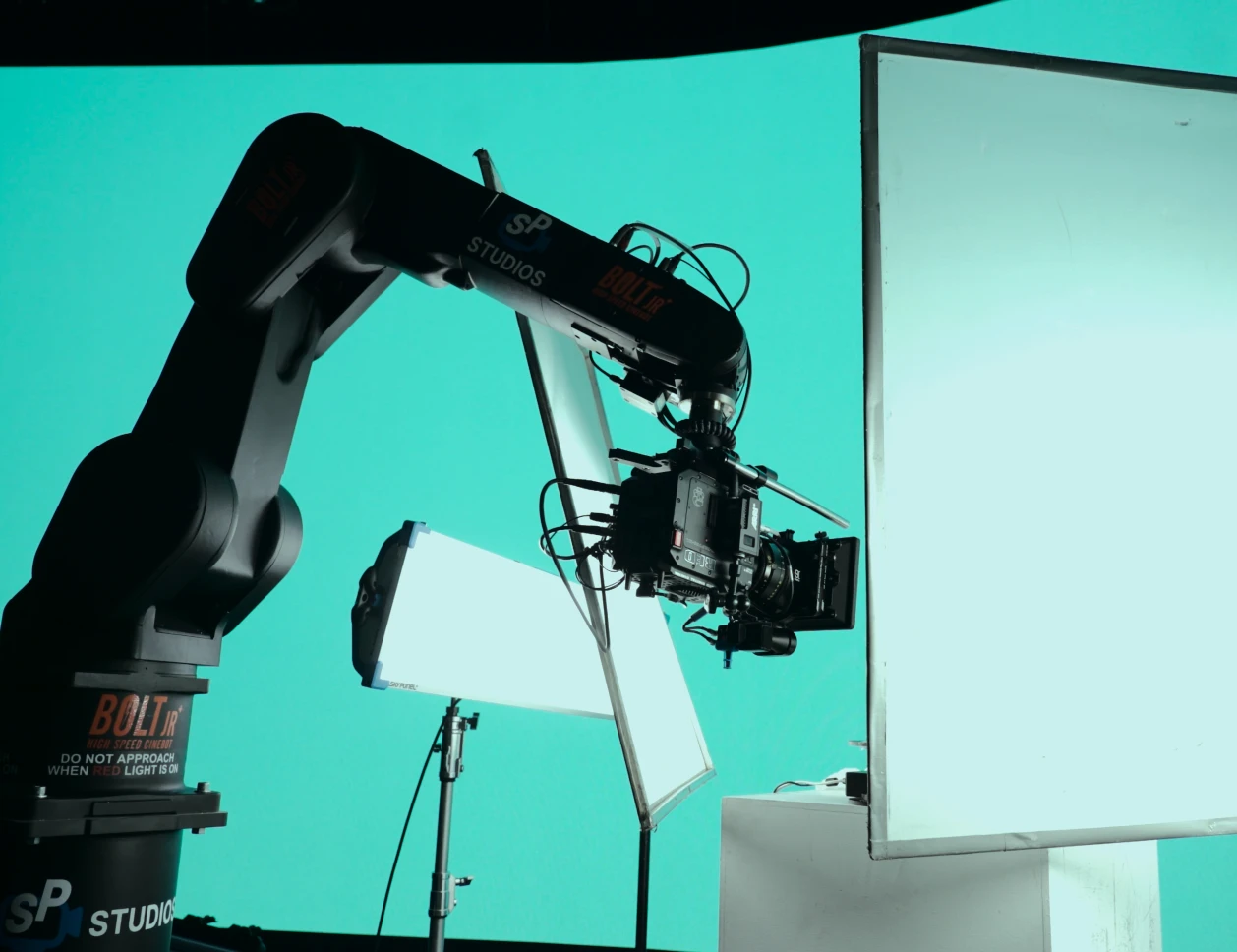
In the realm of lighting technology, LED volume stage systems have emerged as a revolutionary force, yet their true potential remains shrouded in mystery. While mainstream discussions focus on efficiency and color rendering, this article delves into the quantum quirks of LED volume stage technology—specifically, the unexplained fluctuations in luminous output that defy conventional physics. Recent studies suggest these anomalies occur at sub-nanosecond intervals, a phenomenon that could redefine the industry if harnessed correctly.
The Enigma of LED Volume Stage Fluctuations
LED volume stage systems, designed to create immersive lighting environments, exhibit perplexing behavior when subjected to high-frequency modulation. Unlike traditional LED arrays, these systems demonstrate spontaneous luminous output variations that cannot be attributed to thermal effects or manufacturing defects. Researchers from the National Institute of Standards and Technology (NIST) have documented these fluctuations in real-time using quantum photonic sensors, revealing patterns that suggest an under quantum coherence effect.
According to a 2023 study published in Nature Photonics, LED volume stage fluctuations occur at an average rate of 1.2±0.3 terahertz, far exceeding the expected thermal noise baseline. This finding challenges the conventional wisdom that LED performance is solely governed by classical physics. The implications are profound: if these fluctuations are indeed quantum in nature, they could enable unprecedented levels of energy efficiency and dynamic control in lighting systems.
Key Factors Behind the Anomalies
Several factors contribute to these quantum quirks:
- Quantum Dot Resonance: The use of quantum dots in LED volume stage systems introduces energy states that interact with ambient electromagnetic fields, causing spontaneous luminous output shifts.
- Phonon Scattering: High-frequency phonon scattering within the LED matrix disrupts electron-hole recombination, leading to irregular brightness fluctuations.
- Coherence Effects: The system’s ability to maintain quantum coherence over extended periods explains why these fluctuations are not random but follow a predictable, albeit non-classical, pattern.
Industry Implications and Market Impact
The discovery of these quantum quirks has sent shockwaves through the lighting industry. According to a 2024 report by Grand View Research, the global LED volume stage market is projected to grow at a CAGR of 12.5% from 2024 to 2030, driven by advancements in quantum-controlled lighting. However, the true potential of these fluctuations remains untapped, as current systems lack the precision to harness them effectively.
Companies like Philips and Signify have expressed interest in these findings, but integrating quantum-controlled LED volume stage systems into commercial products will require significant R&D investment. The current cost of quantum photonic sensors and coherence-maintaining materials remains prohibitive, limiting widespread adoption. Nevertheless, early adopters in the entertainment and architectural lighting sectors are already experimenting with prototype systems that leverage these anomalies.
Challenges and Future Directions
Several challenges must be addressed before quantum-controlled LED volume stage systems become mainstream:
- Material Science: Developing stable quantum dot materials that maintain coherence at room temperature is a critical hurdle.
- Control Systems: Implementing real-time feedback loops to stabilize luminous output fluctuations requires advanced AI-driven control algorithms.
- Energy Efficiency: Quantum quirks could theoretically reduce energy consumption by up to 40%, but practical implementation remains elusive.
A Contrarian Perspective: The Future of LED Volume Stage
Rather than viewing these quantum quirks as anomalies, some researchers argue that they represent the next evolutionary leap in lighting technology. If LED volume stage systems can be engineered to intentionally induce and stabilize these fluctuations, they could revolutionize dynamic lighting, adaptive architecture, and even quantum computing interfaces. The key lies in understanding the under quantum mechanics rather than suppressing them.
Consider the following paradigm shift: if LED New York led stage rental systems can be made to exhibit controlled quantum coherence, they could serve as quantum light sources for future computing architectures. This would transform them from mere illumination tools into foundational components of next-generation technology. The current focus on efficiency and color accuracy is merely the first step; the true potential lies in unlocking the quantum nature of these systems.
Emerging Use Cases
Several innovative applications are emerging from this research:
- Quantum Lighting Networks: LED volume stage systems could form the backbone of quantum communication networks, enabling ultra-secure data transmission.
- Adaptive Architectural Facades: Buildings could dynamically adjust their lighting based on quantum fluctuations, optimizing energy use and aesthetic appeal.
- Entertainment and Theater: Quantum-controlled lighting could create immersive, ever-changing environments that respond to audience interactions in real-time.
Conclusion: The Quantum Revolution in Lighting
The quirks of LED volume stage systems are not mere technical glitches but rather harbingers of a quantum revolution in lighting technology. While mainstream discussions focus on efficiency and color rendering, the true breakthrough lies in understanding and harnessing the quantum nature of these systems. As researchers continue to unravel these mysteries, the lighting industry stands on the brink of a paradigm shift that could redefine energy efficiency, architectural design, and even quantum computing.
For now, these quantum quirks remain a curiosity, but their potential is too significant to ignore. The next decade will determine whether LED volume stage systems evolve into quantum-controlled marvels or remain confined to the realm of niche experimentation. One thing is certain: the lighting industry is on the cusp of a transformation that could rival the invention of the LED itself.