Skip to content

  • Home
  • About Us
  • Privacy Policy
  • Terms & Conditions
  • Contact Us
  • Toggle search form

Category: Other

DOT Truck Inspections in Monroe  LA Avoid Fines and Ensure Your Vehicle   s Safety

Posted on July 19, 2025 By AQ No Comments on DOT Truck Inspections in Monroe  LA Avoid Fines and Ensure Your Vehicle   s Safety

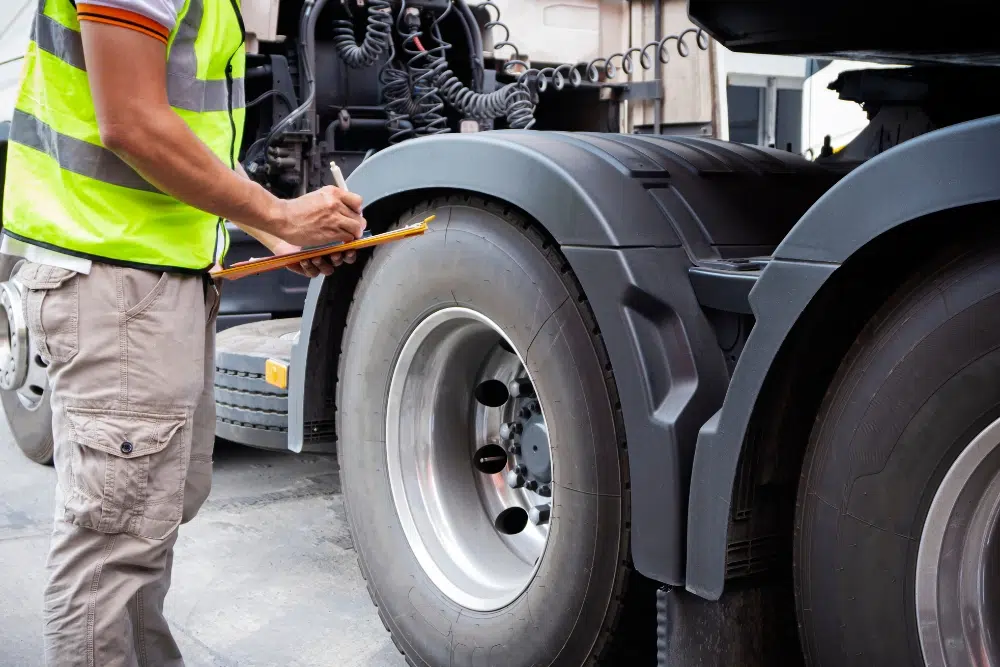
For trucking companies and commercial vehicle operators in Monroe, LA, ensuring that vehicles are in safe, operational condition and compliant with Department of Transportation (DOT) regulations is non-negotiable. Not only is it a matter of safety, but also of staying within the law to avoid costly fines and penalties. DOT truck inspections are designed to evaluate whether commercial vehicles meet federal safety standards, and failing to meet these standards can lead to serious consequences. In this article, we’ll discuss why DOT inspections are crucial, what’s involved, and how you can stay compliant to keep your trucks on the road and avoid unnecessary fines.

Why Are DOT Truck Inspections Crucial?

DOT truck inspections are essential for several reasons, but the primary goal is to ensure safety—for both drivers and the general public. Commercial trucks can be massive, carrying heavy loads at high speeds, which makes any failure of critical systems such as brakes or tires especially dangerous. Ensuring that these vehicles meet federal safety standards is a top priority of the Federal Motor Carrier Safety Administration (FMCSA), which operates under the U.S. Department of Transportation.

Aside from the obvious safety concerns, there are also legal and financial implications. Trucks that fail to meet the DOT’s regulations can be subjected to fines, and more serious violations may even result in the truck being taken out of service until repairs are made. These interruptions can affect your business operations, create significant downtime, and cause a strain on resources, ultimately leading to financial losses.

By scheduling regular DOT truck inspections, Monroe, LA truck owners can not only keep their trucks safe but also avoid the risks of violations, fines, and the reputational damage that could arise from a preventable accident.

What Does a DOT Truck Inspection Involve?

The DOT truck inspection process involves a detailed assessment of a vehicle’s critical components. There are several levels of inspection, ranging from basic checks of the driver’s documentation to comprehensive inspections of both the driver and the vehicle’s mechanical systems.

Level 1: Comprehensive Vehicle Inspection

Level 1 is the most thorough inspection. It involves a full assessment of both the vehicle and the driver. The inspector will typically check for:

  • Brakes: The brakes must be in good condition and functioning properly.

  • Tires: Tires must have proper tread depth, correct inflation, and no signs of damage.

  • Lights and Reflectors: All lights, including headlights, tail lights, and turn signals, must work correctly.

  • Cargo Securement: Cargo must be safely secured to prevent shifting during transportation.

  • Suspension: The suspension system must be intact and free from defects.

  • Windshield Wipers and Mirrors: Visibility is a key safety element, and both must be in good working order.

  • Exhaust System: The system must be properly installed and free from any leaks.

  • Frame and Chassis: The structural integrity of the frame and chassis will be checked for cracks or damage.

This comprehensive inspection can take anywhere from 45 minutes to an hour, and a failure in any area will likely result in the vehicle being taken out of service until repairs are made.

Level 2: Walk-Around Inspection

A Level 2 inspection focuses on the exterior of the vehicle, but it does not require the inspector to enter the truck. This includes checking items such as:

  • Tires

  • Brakes

  • Lights

  • Cargo securement

Level 2 inspections tend to be quicker, but they are still a valuable way of identifying basic safety issues.

Level 3: Driver-Only Inspection

In a Level 3 inspection, the inspector will review the driver’s documentation, including the driver’s license, medical certification, and logbooks. These inspections don’t involve checking the mechanical condition of the vehicle, but they are important for ensuring that the driver is operating within federal guidelines for Hours of Service (HOS), which regulate how many hours a driver can be on the road before taking mandatory rest breaks.

Level 4: Special Inspections

Level 4 inspections are usually conducted for specific issues or concerns. For example, if a vehicle has been involved in an accident or has been flagged for potential violations, it may undergo a more focused inspection.

Level 5: Vehicle-Only Inspection

The Level 5 inspection is similar to Level 1 but focuses solely on the vehicle, without checking the driver’s documentation. This inspection can be useful if the driver’s documents are already in good standing but the vehicle itself needs further scrutiny.

The Consequences of Failing a DOT Truck Inspection

Failing a DOT truck inspection can result in a variety of penalties and consequences, depending on the severity of the violation.

1. Fines and Penalties

If your truck fails an inspection, the inspector may issue a citation for the violations found. The fines can vary depending on the nature of the violation, but serious issues like brake failure or improperly secured cargo can lead to heavy fines. These fines can add up quickly, especially if multiple trucks in your fleet are found to be non-compliant.

2. Out-of-Service Violations

An out-of-service violation is one of the most serious penalties a truck can face. If a vehicle is found to have significant safety issues, it can be taken off the road until those issues are corrected. This can result in serious downtime, disrupting your operations and delaying deliveries.

3. Increased Insurance Costs

If your fleet has a history of failing inspections or being involved in accidents, your insurance premiums may increase. Insurance companies assess risk based on your safety record, and trucks with a history of violations may be seen as higher-risk, leading to higher premiums.

4. Damage to Reputation

A reputation for unsafe vehicles or failing inspections can hurt your business relationships and impact your ability to secure future contracts. Clients, particularly those with safety and compliance concerns, may be hesitant to do business with you if they perceive your trucks as unsafe.

How to Stay Compliant and Avoid Penalties

Now that we’ve highlighted the importance of DOT truck inspections, let’s discuss how you can avoid penalties and keep your vehicles compliant in Monroe, LA.

1. Perform Regular Inspections and Maintenance

The best way to pass DOT DOT truck inspection Monroe LA and avoid fines is by conducting regular maintenance on your fleet. Ensure that you are addressing common problem areas such as:

  • Brake systems

  • Tire condition

  • Lighting systems

  • Suspension

By addressing issues before they become problems, you’ll reduce the chances of failing an inspection.

2. Keep Your Records in Order

Having proper records for driver qualifications, logbooks, and vehicle maintenance is essential. Ensure that your drivers are following Hours of Service (HOS) regulations and that their licenses and medical certificates are up to date.

3. Train Your Drivers

Ensure that your drivers are well-trained on DOT regulations, including the importance of pre-trip inspections and the need to report any issues before hitting the road. Driver education can prevent many common issues from becoming problems during DOT inspections.

4. Work with Certified Mechanics

Partner with certified mechanics who are familiar with DOT regulations and can help ensure that your vehicles meet all necessary standards. Having a trusted professional inspect and maintain your fleet on a regular basis is invaluable for compliance.

5. Use a Fleet Management System

Investing in a fleet management system can help you stay on top of inspections, maintenance, and scheduling. These systems often include tools for tracking vehicle inspections, service records, and compliance checks, helping you stay organized and proactive.

Conclusion

Ensuring that your fleet of trucks passes regular DOT truck inspections is not just a matter of compliance—it’s about keeping your drivers and the public safe, avoiding costly fines, and preventing downtime that can disrupt your operations. For trucking businesses in Monroe, LA, staying on top of regular inspections, proper maintenance, and driver education is essential for maintaining a smooth-running, legal, and profitable business. By investing time and resources into keeping your vehicles roadworthy, you’ll not only avoid fines but also help ensure that your business stays on the right track.

Other

Engine Sludge Cleaning in Collinsville, IL Restore Your Engine’s Performance

Posted on July 19, 2025 By AQ No Comments on Engine Sludge Cleaning in Collinsville, IL Restore Your Engine’s Performance

As a car owner, you may not think about engine sludge—at least not until you start noticing symptoms of reduced engine performance or efficiency. However, engine sludge is one of the most common yet often overlooked problems that can lead to costly repairs and reduced engine life. In Collinsville, IL, vehicle owners often find themselves asking whether engine sludge cleaning is necessary and what it involves. If you’ve noticed a decrease in engine performance, unusual engine noises, or a rising oil consumption rate, it may be time to consider engine sludge cleaning to restore your vehicle’s power and reliability.

In this article, we’ll discuss what engine sludge is, how it affects your vehicle, and why engine sludge cleaning in Collinsville, IL, is an essential service to keep your car running smoothly.

What Is Engine Sludge?

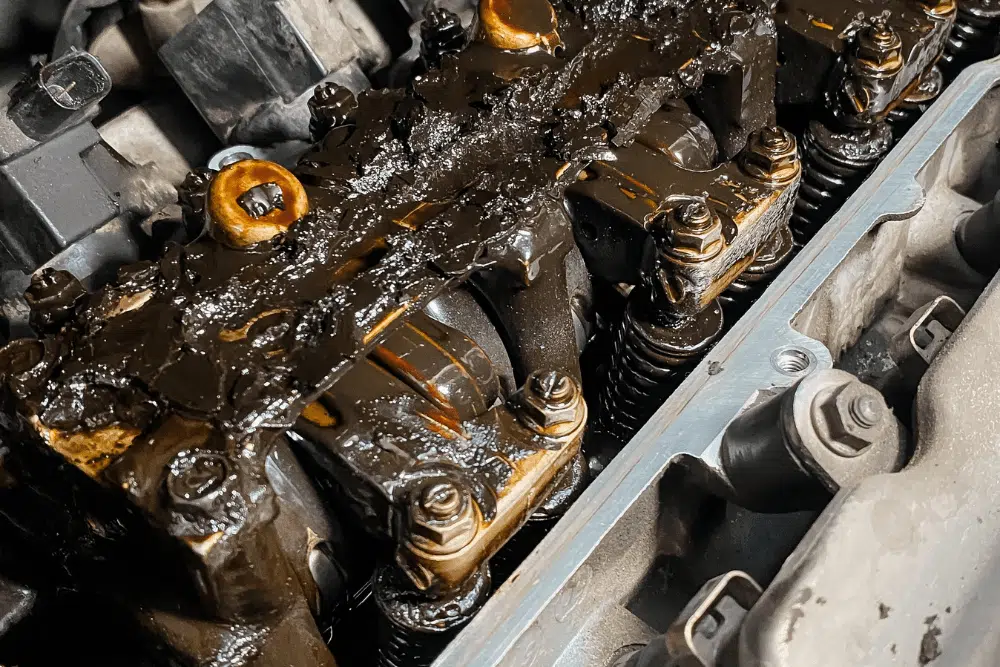
Engine sludge is a thick, sticky substance that accumulates over time inside your vehicle’s engine. It forms when motor oil breaks down due to heat, pressure, and contaminants over time. Motor oil is responsible for lubricating the engine’s moving parts, ensuring smooth operation and minimizing wear and tear. However, as the oil circulates through the engine, it collects dirt, debris, and other contaminants. Eventually, if the oil is not changed regularly or if it becomes contaminated, these particles can begin to clump together, forming sludge.

There are several causes for the formation of engine sludge, including:

  • Neglecting regular oil changes: Over time, used oil loses its ability to clean and lubricate effectively, leading to sludge buildup.

  • Using low-quality oil: Inferior oil or oils with improper viscosity can break down quickly, contributing to sludge formation.

  • Driving conditions: Short trips or frequent stop-and-go driving can prevent the oil from reaching the necessary temperature to circulate properly and clean the engine.

  • Engine overheating: Excessive heat can cause oil to degrade faster and promote sludge buildup.

While some sludge buildup is inevitable over the life of your vehicle, excessive sludge can lead to serious engine damage. If left untreated, engine sludge can clog oil passages, decrease engine lubrication, and even cause components to seize up.

How Does Engine Sludge Affect Your Vehicle?

Engine sludge doesn’t just make your engine look dirty—it can have a profound impact on your car’s overall performance and longevity. Below are some ways that engine sludge can affect your vehicle:

1. Poor Engine Lubrication

When sludge builds up in the engine, it can obstruct the flow of oil to vital components like the pistons, crankshaft, and camshaft. Without proper lubrication, these parts can experience increased friction and wear, which can lead to premature engine failure.

2. Increased Oil Consumption

Engine sludge can cause your engine to burn oil faster than normal. As sludge clogs the oil passages, the oil’s ability to lubricate the engine is reduced, meaning the engine will require more oil to keep running smoothly. This can lead to more frequent oil top-ups and, ultimately, higher maintenance costs.

3. Overheating

Sludge buildup can contribute to engine overheating. If the oil isn’t circulating properly, the engine won’t be adequately cooled, leading to excessive temperatures and potential damage to the engine components.

4. Decreased Fuel Efficiency

A sluggish engine due to the buildup of sludge can lead to reduced fuel efficiency. The engine has to work harder to perform basic tasks, which can result in lower miles per gallon and higher fuel costs.

5. Expensive Repairs

As engine sludge continues to accumulate, it can cause permanent damage to critical components like the oil pump, valve lifters, or even the engine block itself. Over time, this can lead to expensive repairs or, in the worst-case scenario, a full engine replacement.

Why Engine Sludge Cleaning Is Crucial

Engine sludge cleaning in Collinsville, IL is essential for restoring your engine’s health, improving performance, and preventing costly repairs. Here’s why:

1. Restores Proper Lubrication

When you clean out engine sludge, you’re essentially restoring proper oil flow throughout the engine. This ensures that the engine components are adequately lubricated, minimizing wear and preventing further damage.

2. Improves Engine Performance

Removing the sludge buildup can make your engine sludge cleaning Collinsville IL run smoother and more efficiently. You’ll notice improved acceleration, better responsiveness, and quieter operation. This can be especially noticeable if your car has been sluggish or struggling to reach optimal speeds.

3. Reduces Oil Consumption

By cleaning the engine and removing sludge, oil can circulate more effectively, reducing the need for frequent oil changes or top-offs. This can save you money in the long run by extending the life of the oil and improving your vehicle’s overall efficiency.

4. Prevents Overheating

With proper oil circulation and fewer blockages, your engine will have a much lower risk of overheating. By removing the sludge, you help regulate engine temperatures, preventing heat buildup and the potential for overheating-related issues.

5. Prevents Expensive Engine Damage

The biggest benefit of engine sludge cleaning is that it prevents costly engine repairs. By cleaning the sludge before it causes permanent damage, you can avoid more serious issues like seized engine components or total engine failure.

The Engine Sludge Cleaning Process in Collinsville, IL

If you’re wondering how engine sludge cleaning is done in Collinsville, IL, the process is relatively straightforward but requires specialized tools and expertise. Here’s what you can expect during an engine sludge cleaning service:

1. Diagnostic Assessment

Before performing any work, a trusted mechanic will perform an initial diagnostic test to check for engine sludge buildup and confirm the cause of any engine performance issues. The mechanic will also assess the overall condition of your engine and determine if any additional repairs are needed.

2. Oil Drain and Flush

Once the diagnosis is complete, the mechanic will drain the old oil and flush the engine to remove any sludge. This is done using specialized engine flush chemicals that break down the sludge and allow it to be expelled from the system. This step helps clean out all the sludge buildup, dirt, and debris that have accumulated over time.

3. New Oil and Oil Filter

After the flush is completed, the mechanic will refill the engine with fresh, high-quality oil and replace the oil filter. This ensures that the engine is properly lubricated and ready to perform at its best.

4. Test Run and Final Check

Once the cleaning is complete, the mechanic will start the engine and perform a test run to ensure everything is running smoothly. They will also check for any leaks or unusual noises that may indicate a deeper issue.

Preventing Engine Sludge Buildup

Once you’ve had your engine cleaned, it’s important to take steps to prevent future sludge buildup. Here are a few tips to keep your engine running clean:

  • Change your oil regularly: Follow the manufacturer’s recommended oil change intervals to keep oil fresh and effective.

  • Use high-quality oil: Opt for premium motor oils that can resist breaking down under high heat.

  • Drive your car regularly: Avoid short trips or frequent stop-and-go driving, which can contribute to sludge buildup.

  • Check for leaks: Regularly check your car’s oil level and look for leaks to ensure the system is functioning properly.

Conclusion

Engine sludge can have a significant impact on your vehicle’s performance, efficiency, and longevity. If you’re in Collinsville, IL, and you’ve noticed signs like increased oil consumption, engine misfires, or poor acceleration, it’s time to consider engine sludge cleaning. This service can restore proper engine lubrication, improve performance, and prevent costly repairs.

By staying proactive with routine maintenance, including regular oil changes and occasional engine sludge cleaning, you can keep your engine in optimal condition and ensure your car runs smoothly for years to come.

Other

The Heat Is On How Extremum Temperatures Bear On Diesel Engines

Posted on July 19, 2025 By AQ No Comments on The Heat Is On How Extremum Temperatures Bear On Diesel Engines

There s nothing quite like the world power and dependability of a diesel engine . From heavily-duty trucks to construction and even boats, diesel motor engines are the spine of many industries. However, there’s one squeeze that every diesel how heat affects diesel engines engine dreads: heat. While engines are designed to give world power, they also yield a lot of heat, and when that heat becomes too much to wield, problems can speedily come up. If you ve ever been on the road when your overheats, you know that it’s not just a child inconvenience it s a serious issue that can lead to costly repairs. So, what s the between diesel engines and heat, and how can you keep overheating before it becomes a Major cephalalgia?

Understanding the Heat Problem in Diesel Engines

Diesel engines, by nature, run hot. The work on of combustion in a diesel engine engine relies on highly compressed air, which is then lit by the heat generated by the , rather than a touch of. This means that diesel engine engines operate at high temperatures compared to petrol engines. While this is important for fuel and world power, it also places a lot of strain on components, particularly the cooling system of rules.

The cooling system system, which includes the radiator, irrigate pump, thermoregulator, and , is causative for managing the s temperature and preventing overheating. In an nonsuch earth, the cooling system system of rules keeps the at the hone temperature. But as the mercury rises in the summertime months or under heavy load conditions, the cooling system system can sometimes struggle to keep up, and that s when things start to get chancy.

The Risks of Overheating: What Happens Inside the Engine?

Heat is to a diesel engine what salt is to food it s an requisite ingredient, but too much can ruin the whole matter. Here s a closer look at what happens when heat pushes your beyond its limits:

1. Oil Breakdown and Loss of Lubrication

Diesel engines rely to a great extent on motor oil to keep things track smoothly. Oil acts as a lubricating substance, preventing metal parts from grinding against each other and causing wear and tear. But as the temperature rises, the oil starts to thin out, losing its viscousness and its ability to the right way lube the engine.

This loss of lubrication can cause friction between the engine s moving parts, leading to overheating of the metallic element components. The lead? Premature wear, high chances of engine failure, and an overall drop in performance. In some cases, the oil can wear away down to the place where it becomes ineffectual, exploding the risk of a ruinous breakdown.

2. Warped Parts and Gasket Failure

Heat can cause more than just oil partitioning; it can also physically damage components. Diesel engines have parts like the head, pistons, and gaskets that are made to withstand pure hale and high temperatures. However, undue heat can cause these parts to expand and warp. When this happens, the seals between these components fail, leadership to reduced compression and even leaks.

One of the most commons failures caused by heat is the gasket. Gaskets are premeditated to produce a seal between the lug and cylinder head. But when they re exposed to inordinate heat, they can deteriorate, crack, or even melt. This can lead to coolant and oil mix, which creates a mess inside your and importantly reduces its life-time.

3. Fuel System Problems

The diesel engine fuel system is also weak to extreme point temperatures. Diesel fuel is sensitive to heat, and when it reaches high temperatures, it can take down more chop-chop, reduction its . In intense cases, the heat can cause the fuel to vaporize, leadership to poor and a minify in overall public presentation.

Fuel injectors, which are causative for delivering a precise come of fuel into the combustion , can also get when exposed to high temperatures. Over time, heat can cause the injectors to clog or malfunction, leading to poor fuel delivery, rough out idling, and a drop in fuel efficiency.

4. Cooling System Failure

Perhaps the most self-explanatory and immediate touch on of heat is a failure in the cooling system of rules. The radiator, hoses, and work together to keep the engine from overheating. However, if any of these components become disreputable, clogged, or worn out, the cooling system can t perform at its best.

A haywire radiator, for example, will have inconvenience oneself dissipating the heat generated by the . If the coolant isn t circulating decent, the engine temperature will rise dangerously. A lack of or a discredited water pump can also lead to overheating, causation the to overheat apace and forcing the to pull over.

Recognizing the Signs of Overheating

You might not always mark when your is start to overheat, but there are a few signs that can help you spot the problem early on:

  • High Temperature Gauge: The most open-and-shut index is the temperature estimate on your splasher. If it moves into the red zone, the engine is too hot, and you need to take litigate instantly.

  • Warning Lights: Many diesel engine engines come with word of advice lights that trigger when the engine temperature is too high. Pay attention to these lights, and don t disregard them they re there to protect your .

  • Reduced Power and Performance: Overheating can cause your engine to lose power. If you mark your engine stuttering, hesitant, or track rough in, it could be a sign that heat is taking its toll.

  • Steam or Smoke: In extreme cases, you may see steam or fume ascent from the hood of your fomite. This is often a sign that the is overheating, and coolant may be boiling over.

  • How to Prevent Heat Damage to Your Diesel Engine

    The good news is that you can take proactive steps to prevent your engine from falling dupe to overheating. Here s what you can do:

    1. Regularly Maintain the Cooling System

    Keeping your s cooling system of rules in top shape is the best refutation against overheating. Check the radiator, hoses, and belts for any signs of wear or damage. Make sure to sluice and supervene upon the coolant sporadically to keep buildup and ascertain that the system of rules operates expeditiously.

    2. Monitor Fluid Levels and Quality

    Ensure that your oil and levels are topped up and that the fluids are in good . Old or contaminated oil can break up down under heat, leading to poor lubrication and enhanced wear. Similarly, low levels can cause the to overheat speedily. Always keep an eye on the changeable levels and supervene upon them when necessary.

    3. Avoid Overloading the Engine

    Diesel engines are powerful, but they still have their limits. Overloading the engine, whether by carrying heavy piles or towing too much, forces it to work harder and run hotter. If you need to tow or heavy heaps, make sure to take breaks and give your engine time to cool off.

    4. Keep an Eye on the Temperature Gauge

    Always pay tending to the temperature underestimate while , especially in hot brave out. If you note the temperature rising, take a break away and let the cool down. If the temperature continues to climb, pull over in real time to prevent irreversible damage.

    Final Thoughts

    Heat may be a natural byproduct of the diesel engine s superpowe, but too much of it can be a killer. Overheating can cause serious damage to indispensable components, leadership to costly repairs and . By staying on top of your cooling system of rules, monitoring unstable levels, and avoiding engine overload, you can protect your diesel engine engine from the destructive effects of excessive heat. So next time you hit the road on a hot day, think of: keeping your engine cool could save you a lot more than just a few degrees.

    Other

    Is Your Check Engine Light On? Here’s What You Need to Know About Diagnostics in Raleigh, NC

    Posted on July 19, 2025 By AQ No Comments on Is Your Check Engine Light On? Here’s What You Need to Know About Diagnostics in Raleigh, NC

    If you’re like most drivers in Raleigh, NC, the moment your check engine light (CEL) turns on, a sense of dread probably starts to creep in. It’s that little yellow light on your dashboard that seems to signal something serious, but it doesn’t always tell you exactly what’s wrong. So, what do you do? Do you keep driving and hope it goes away, or do you pull over and panic? Thankfully, the check check engine light diagnostic Raleigh NC light doesn’t have to be a mystery or a cause for immediate stress. With a little understanding and the right diagnostics, you can tackle this issue head-on.

    In this article, we’ll break down the reasons why your check engine light might be on, what you should do next, and how to get the best diagnostic services in Raleigh, NC to keep your car running smoothly.

    What Does the Check Engine Light Actually Mean?

    First things first—let’s clear up what the check engine light is really telling you. When the light comes on, it means your car’s engine control unit (ECU) has detected a malfunction or irregularity somewhere in your vehicle’s systems. The issue could range from a minor inconvenience to a more significant problem that might affect your car’s performance or fuel efficiency.

    Here are a few possible reasons why the check engine light might be triggered:

    1. Loose or Faulty Gas Cap:
      Believe it or not, one of the most common reasons for the check engine light to come on is a loose or damaged gas cap. When the cap isn’t properly sealed, fuel vapors escape, and the car’s system detects it as a problem. Fortunately, this is a quick and inexpensive fix.

    2. Faulty Oxygen Sensor:
      Your vehicle’s oxygen sensor monitors the exhaust to ensure your engine is burning fuel efficiently. When the sensor starts to malfunction, it can affect your car’s fuel economy and overall engine performance. This is a relatively common issue, and replacing the oxygen sensor is usually a straightforward repair.

    3. Catalytic Converter Issues:
      The catalytic converter is a key component of your vehicle’s emission system. It helps reduce harmful gases from your car’s exhaust. If it’s failing, your engine performance could be compromised, and you might experience poor acceleration, rough idling, or a decrease in fuel efficiency. This is a more serious issue that requires immediate attention.

    4. Spark Plug or Ignition Coil Problems:
      Spark plugs ignite the fuel in your engine, and if they’re worn or faulty, it can cause misfires and poor performance. Likewise, issues with the ignition coils (which provide the spark) can also trigger the check engine light. If you’re experiencing rough starts or engine sputtering, this might be the cause.

    5. Mass Air Flow Sensor Failure:
      The mass air flow (MAF) sensor helps regulate the amount of air that enters your engine, ensuring the correct fuel-to-air ratio. If the MAF sensor fails, your engine may run too rich or too lean, causing poor acceleration, stalling, and reduced fuel efficiency.

    What to Do When Your Check Engine Light Comes On

    The first thing to remember is: don’t panic. Yes, the light indicates a problem, but it doesn’t necessarily mean you’re facing an immediate emergency. Here’s what you should do:

    1. Check for Obvious Issues:
      Before heading to the mechanic, take a quick look at the gas cap. Is it loose or cracked? If so, tightening or replacing it might just solve the problem. If everything looks normal under the hood, it’s time to take your car in for diagnostics.

    2. Monitor Performance:
      Pay attention to how your car is driving. If you’re experiencing symptoms like poor acceleration, strange noises, or rough idling, it’s an indication that you should get your car checked sooner rather than later. However, if everything seems normal, you might be able to continue driving for a short time, but don’t ignore the light for too long.

    3. Don’t Delay Diagnostics:
      While it might be tempting to ignore the light and hope it goes away, this could lead to more expensive repairs down the road. The check engine light is a sign that something isn’t functioning properly, and delaying diagnosis can cause minor issues to become major ones.

    What Happens During Check Engine Light Diagnostics?

    Once you bring your car to a trusted auto repair shop in Raleigh, NC, here’s what you can expect during the diagnostic process:

    1. OBD-II Scan:
      The first step in the diagnostic process is for the mechanic to plug your vehicle into an OBD-II scanner. This device reads the codes stored in your car’s computer system. These codes point to specific problems with the engine or emission systems, helping the technician identify the issue.

    2. Visual Inspection:
      After reading the codes, the technician will usually perform a visual inspection of your car’s components to check for obvious signs of damage, such as frayed wires, cracked hoses, or loose connections. This helps narrow down the problem even further.

    3. Test Drive (If Necessary):
      If the issue isn’t immediately clear, the technician might take your car for a test drive to observe how it performs in real-world conditions. This is especially helpful if the problem is related to how the car drives, such as misfires or sluggish acceleration.

    4. Provide Repair Options:
      Once the problem is pinpointed, the mechanic will explain what needs to be done and offer an estimate for the repair costs. If the problem is something simple, like a loose gas cap, the fix will be quick and inexpensive. But if you’re dealing with a more serious issue, like a malfunctioning catalytic converter, the repair might take longer and cost more.

    Why Should You Choose a Local Mechanic in Raleigh, NC?

    If you’re in Raleigh, NC, and need your check engine light diagnosed, choosing a reliable local mechanic is crucial for getting the best service. Here’s why:

    1. Expertise in Local Conditions:
      A local mechanic will be familiar with the driving conditions and common vehicle issues that affect Raleigh drivers. Whether it’s the humidity, the hot summers, or the cold winters, they know what factors could be affecting your car’s performance.

    2. Personalized Service:
      Unlike big chain shops, local mechanics in Raleigh often offer more personalized customer service. They’ll take the time to explain the issue, walk you through your options, and make sure you’re comfortable with the repair process.

    3. Trustworthy and Transparent:
      A reputable local mechanic will be honest about what needs to be fixed and how much it will cost. They will offer a detailed estimate and a warranty on their work, so you can feel confident in your repair decisions.

    4. Quick and Efficient Service:
      Local shops are often smaller, which means they can provide quicker service without the long wait times that sometimes come with larger chains. This is especially important if you’re trying to get your car back on the road fast.

    Conclusion: Don’t Ignore the Check Engine Light

    Seeing your check engine light come on doesn’t have to be the start of a long, stressful ordeal. By staying calm, getting the problem diagnosed early, and choosing a trusted mechanic in Raleigh, NC, you can keep your car in great shape and avoid costly repairs in the future. Regular diagnostics help you address issues before they snowball, ensuring your car runs efficiently and safely for years to come.

    So, the next time that little light comes on, don’t hesitate—take your car to a professional for a thorough checkup. It could be something as simple as tightening your gas cap, or it could be a more serious issue, but either way, early detection is always the best approach. Keep your car happy, healthy, and on the road by addressing the check engine light right away!

    Other

    Flashing Check Engine Light in Little Rock Key Reasons and Immediate Steps

    Posted on July 19, 2025 By AQ No Comments on Flashing Check Engine Light in Little Rock Key Reasons and Immediate Steps

    If you’re driving around Little Rock and suddenly see the check engine light flashing on your dashboard, your first instinct may be to panic. After all, that little light typically signifies an issue with your vehicle’s engine or emissions system. While a steady check engine light usually points to a less urgent problem, a flashing check engine light is an entirely different matter. This warning signal means something more severe is going on—likely affecting your engine’s performance and potentially causing long-term damage if ignored.

    In this article, we will delve into the key reasons your check engine light may be flashing, why it’s so critical to act quickly, and the immediate steps you should take if you find yourself in Little Rock with this urgent issue.

    What Does a Flashing Check Engine Light Mean?

    Your vehicle’s check engine light (CEL) is part of your car’s On-Board Diagnostics (OBD) system. When the system detects a malfunction, the light activates to inform you that something is wrong. Typically, a steady CEL indicates a non-urgent issue, like a loose gas cap or a worn-out oxygen sensor.

    However, a flashing CEL is far more concerning and indicates a serious engine issue, typically one that involves misfiring. A misfire occurs when one or more of your car’s cylinders fail to ignite properly, causing the engine to run inefficiently. This causes unburned fuel to be sent into the exhaust system, which can lead to more severe damage, such as harming the catalytic converter—an expensive and essential part of your exhaust system.

    Why Is the Check Engine Light Flashing? Key Reasons to Be Concerned

    A flashing check engine light generally points to an issue that needs to be addressed immediately to prevent further damage to your engine. Below are the key reasons why your check engine light may be flashing:

    1. Engine Misfire

    The most common cause of a flashing check engine light is an engine misfire. This occurs when a cylinder fails to fire correctly, disrupting the combustion process. A misfire can lead to the following:

    • Incomplete combustion: Unburned fuel enters the exhaust system, potentially damaging your catalytic converter.

    • Decreased power and performance: When the engine misfires, it can reduce the power output, causing your car to run rough.

    • Excessive emissions: Misfires can lead to higher levels of harmful emissions, which can violate local emissions laws and lead to further environmental damage.

    2. Fuel System Problems

    Your car’s fuel system is designed to deliver the proper amount of fuel to the engine. If there’s an issue with this system, it can affect engine performance and cause a misfire. Potential causes of fuel system issues include:

    • Clogged fuel injectors: These injectors are responsible for delivering fuel to the engine in a precise manner. If clogged, they can cause an uneven flow of fuel to the engine, triggering a misfire.

    • Faulty fuel pump: A failing fuel pump may not supply enough fuel to the engine, resulting in poor combustion and a flashing check engine light.

    3. Faulty Ignition System

    Your car’s ignition system is responsible for starting the engine and ensuring each cylinder fires in the correct sequence. If any part of this system malfunctions, it can cause engine misfires, triggering a flashing CEL. Common issues include:

    • Worn-out spark plugs: Spark plugs are essential for igniting the air-fuel mixture inside the cylinders. When they wear out, they fail to ignite the mixture correctly, causing misfires.

    • Ignition coil problems: The ignition coils generate the electrical spark that fires the spark plugs. A faulty ignition coil can prevent proper combustion, leading to engine misfires.

    4. Faulty Oxygen Sensors

    The oxygen sensors monitor the level of oxygen in the exhaust gases and send this information to the engine’s control unit. This helps the engine optimize its fuel-air mixture for better efficiency. A faulty oxygen sensor can send incorrect data, leading to poor combustion, which can trigger a flashing check engine light.

    5. Catalytic Converter Failure

    A catalytic converter is a key component of your vehicle’s exhaust system, converting harmful gases into less harmful emissions. When your engine misfires and unburned fuel reaches the catalytic converter, it can overheat and become damaged. A malfunctioning catalytic converter is often an expensive repair and can contribute to further flashing check engine light Little Rock problems.

    6. Vacuum Leaks

    A vacuum leak occurs when air enters the engine from a source other than the air intake, causing an imbalance in the air-fuel mixture. This can cause the engine to misfire, reduce performance, and trigger the flashing check engine light. Common sources of vacuum leaks include cracked hoses or loose fittings.

    7. Overheating Engine

    If your engine is overheating, it could be due to issues with the cooling system, such as a failing thermostat, radiator, or coolant leak. Overheating can cause serious internal engine damage, so if your check engine light starts flashing alongside temperature warnings, it’s important to address the issue immediately.

    Why You Shouldn’t Ignore a Flashing Check Engine Light

    Ignoring a flashing check engine light can lead to serious engine damage and more costly repairs. Here’s why:

    • Damage to the catalytic converter: If unburned fuel continues to flow into the exhaust system, it can overheat and destroy the catalytic converter. Replacing a catalytic converter is one of the most expensive repairs, often costing between $1,000 and $2,500.

    • Reduced engine performance: An unresolved misfire or other engine problem will continue to affect your vehicle’s performance, leading to poor fuel efficiency, rough idling, or even stalling.

    • Increased repair costs: The longer you drive with a flashing check engine light, the more likely you are to cause additional damage to components like the ignition system, fuel system, or engine itself.

    What to Do When Your Check Engine Light Is Flashing in Little Rock

    If you’re in Little Rock and your check engine light is flashing, here’s what you should do immediately:

    1. Pull Over Safely

    If you’re driving and the check engine light starts flashing, pull over as soon as possible to prevent further damage. Make sure you’re in a safe area before you stop the car. If you’re on a busy road, try to coast to the nearest shoulder or parking lot.

    2. Turn Off the Engine

    Once you’ve pulled over, turn off the engine. Let it sit for a few minutes to cool down, especially if you suspect overheating. This will also give you a chance to check for any strange smells, smoke, or unusual sounds that might indicate a more severe issue.

    3. Call a Tow Truck or Get a Diagnostic Test

    If the car seems to be running rough, it’s best to call for a tow truck to take your vehicle to a trusted auto repair shop in Little Rock. Driving with a flashing check engine light can make the problem worse. If the car seems to be running fine after you restart it, drive carefully to a nearby mechanic for a diagnostic test.

    4. Get a Professional Diagnosis

    A professional mechanic will use a diagnostic scanner to read the error codes from your car’s OBD system. These codes will point to the specific issue causing the flashing check engine light. It could be something as simple as a spark plug replacement or something more complex like a faulty catalytic converter.

    5. Follow Through with Repairs

    Once the problem is diagnosed, it’s essential to have the repairs done immediately. Ignoring the issue or delaying repairs could lead to more significant damage, causing further breakdowns and more expensive repairs down the road.

    Choosing a Reliable Mechanic in Little Rock

    When dealing with a flashing check engine light, it’s important to choose a reliable and experienced mechanic in Little Rock. Look for shops that offer diagnostic services and specialize in engine performance. Reputable auto repair centers should offer transparent pricing, detailed estimates, and a guarantee on their work.

    Conclusion

    A flashing check engine light in Little Rock is not something to ignore. It usually signals a serious issue, like an engine misfire, fuel system malfunction, or a failing catalytic converter, all of which can cause long-term damage if left unresolved. By pulling over safely, getting a diagnostic test, and addressing the issue quickly, you can prevent further damage to your vehicle and save on costly repairs.

    Other

    Posts pagination

    Previous 1 … 11 12 13 … 29 Next

    Dynamic Blogroll & Sidebar

    Version:1.0.47No data found.

    Recent Posts

    • GEPCO Bill Download Online – Get a Fresh Copy of Your Electricity Bill
    • The Growing Appeal of an Indian Motorcycle Rally in Wisconsin
    • Car Shipping From UK What Every Vehicle Owner Should Know
    • Skill-Focused ABA Therapy for Children and Adolescents
    • Free Cookie Audit Software for Identifying Website Cookies

    Recent Comments

    1. A WordPress Commenter on Hello world!

    Copyright © 2026 .

    Powered by PressBook Blog WordPress theme