
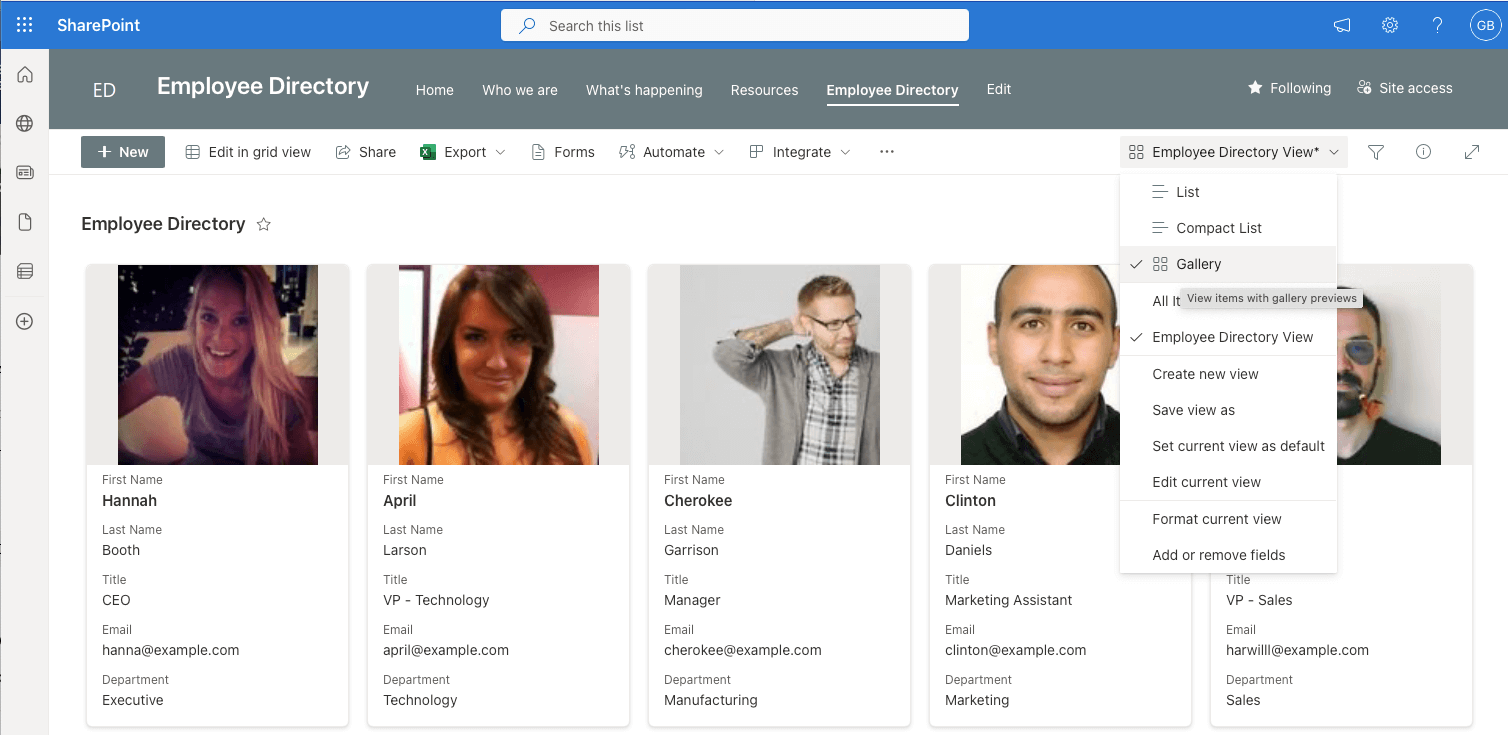
As you weigh the options for managing employee data, you’re likely torn between the familiar territory of a SharePoint employee directory and the flexibility of standalone software. You’re not alone – many organizations struggle to decide between these two approaches. While SharePoint offers a centralized hub with robust search functionality, you may find yourself wondering if the IT resources required to maintain it are worth the investment. Meanwhile, standalone software beckons with its adaptability and control over the user interface. But which one will ultimately come out on top for your organization’s unique needs?
SharePoint Employee Directory Basics
You’re likely familiar with the concept of an employee directory, where you can easily find and connect with colleagues across your organization.
SharePoint Employee Directory takes this concept to the next level by leveraging the power of Microsoft SharePoint.
With SharePoint Employee Directory, you can create a centralized hub that stores employee information, departmental breakdowns, and organizational charts.
This directory allows you to search for employees by name, department, job title, or location.
You can even filter results based on specific criteria like language proficiency or skillset.
The directory is automatically updated when new information is added or changed, ensuring accuracy and minimizing administrative tasks.
Plus, since it’s built on SharePoint, you can easily integrate it with existing SharePoint sites, workflows, and applications.
This seamless integration enables you to leverage the full power of your organization’s digital ecosystem.
Customization and Integration Needs
While SharePoint Employee Directory offers a robust platform for managing employee information, it’s likely that your organization has unique needs that require customization and integration with other systems.
You may need to integrate your employee directory with existing HR systems, such as Workday or BambooHR, to ensure seamless data synchronization. Additionally, you might require custom fields or workflows that aren’t available out-of-the-box. SharePoint Employee Directory does offer some level of customization, but they can be complex and time-consuming to implement.
In contrast, standalone software solutions are often designed with customization in mind. They provide more flexibility and adaptability to meet your organization’s specific needs.
With standalone software, you can easily integrate with other systems, and customize fields, workflows, and reporting requirements. You’ll also have more control over the user interface and user experience, ensuring that your employee directory is tailored to your organization’s unique culture and branding.
Employee Data Management Challenges
Inaccurate or outdated employee data can be a ticking time bomb, causing a cascade of problems down the line.
You might find yourself dealing with duplicate records, incorrect job titles, or outdated contact information.
This can lead to communication breakdowns, compliance issues, and wasted resources.
Moreover, it can also impact your organization’s ability to make informed decisions, as inaccurate data can skew analytics and performance metrics.
When you rely on manual processes or outdated systems, it’s easy to fall behind.
You might struggle to keep up with employee changes, such as job transfers, promotions, or departures.
Additionally, you mightn’t have a centralized platform to store and manage employee data, making it difficult to access or update information.
As your organization grows, these challenges will only multiply, making it essential to find a reliable solution to manage your employee data.
Cost and Resource Considerations
With employee data management taking center stage, it’s crucial to consider the financial implications and resource allocation required to maintain an effective system.
When evaluating SharePoint Employee Directory versus standalone software, you’ll need to consider the total cost of ownership. This includes upfront licensing fees, implementation costs, and ongoing maintenance expenses.
You’ll also need to factor in the cost of training and supporting your IT staff, as well as the opportunity cost of diverting resources away from more strategic initiatives.
In terms of resource allocation, you’ll need to consider the personnel required to manage and maintain the system, including IT staff, HR personnel, and other stakeholders.
Additionally, you’ll need to think about the infrastructure and hardware requirements needed to support the system.
Scalability and Growth Requirements
As your organization expands, its employee directory must adapt to accommodate new hires, departments, and locations. You’ll need a solution that can scale with your growth, without becoming cumbersome or outdated.
SharePoint’s scalability is closely tied to the overall SharePoint infrastructure, which can be a double-edged sword. On the one hand, SharePoint’s scalability is robust, with built-in features to handle large amounts of data and user traffic.
However, this scalability comes at a cost, requiring significant IT resources to maintain and optimize.
In contrast, standalone software is designed to be more agile and adaptable to your organization’s unique needs. These solutions are often built with scalability in mind, allowing you to easily add or remove features as needed.
This flexibility enables you to respond quickly to changing business requirements, without being tied to a larger IT infrastructure. When considering scalability and growth requirements, you’ll need to weigh the trade-offs between SharePoint’s robust scalability and the agility of standalone software.
Ultimately, the choice will depend on your organization’s specific needs and priorities.
Conclusion
You’ve weighed the pros and cons of a SharePoint employee directory and standalone software. Ultimately, it boils down to your organization’s priorities. If IT resources are plentiful and customization isn’t a top concern, employee directory software might be the way to go. However, if flexibility, adaptability, and control over the user interface are crucial, standalone software is the clear winner, offering a more scalable and growth-friendly option for managing your employee data.